Sunal Pathania

Creative Biology Tutor - Makes Biology visual and intresting to understand through art.

4.1(151)

FREE TRIAL

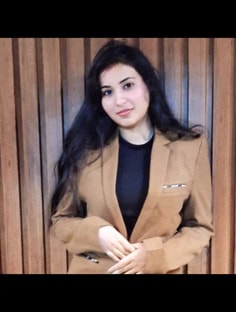
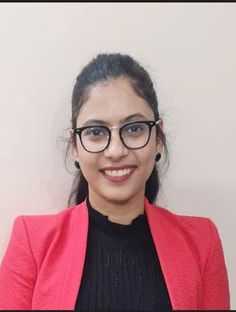
Profile photo of Sunal, Biology tutor at Wiingy
Verified degree or teaching certification of Sunal
Travel snapshot of Sunal during a trip
Live performance with Biology by Sunal

Show all photos

tutor-image
tutor-image

Sunal Pathania

Masters degree

/ 55 min

Your biology tutor - Sunal

As a creative person, I see biology as a story which is meant to be told in a creative way, so one can understand complex concepts and their purpose. ✅Tailored lessons. ✅Study material - Notes, Diagrams. ✅Colorfull visuals. ✅High-end online classroom. ✅Focus on basics first. 🌑 Education - I have 3 years of bachelor's in life science (Zoology+Botany+Chemistry) and 2 years of Master's in Zoology, and further planning for a Phd/Research. 🌑Experience - I have 2.5 years of teaching experience as I taught undergraduates on regular basis. 🌑Teaching Methodology - my approach on biology is visual with flow charts, diagrams, mind maps, And notes which are compact, to the point. 🌑Subject Expertise - Cell biology, Molecular biology, Cell signalling, Developmental biology, Ecology, Biochemistry, Plant and Animal physiology. My sessions are designed for students who find traditional lectures uninspiring or difficult to visualize. We dive deep into the "why" and "how," using clean, labeled diagrams and fluid animations to illustrate the flow of energy and information within living organisms. Whether you are tackling molecular biology or human anatomy, my goal is to provide a high-definition learning experience that sticks. Let's stop looking at bullet points and start looking at the beautiful, intricate machinery of life. Together, we will turn complex science into a clear visual story.

Meet Sunal

Sunal graduated from SARDAR PATEL UNIVERSITY, MANDI

Sunal graduated from SARDAR PATEL UNIVERSITY, MANDI

Academic expertise of your biology tutor

Review sessions icon

Review sessions

GCSE (UK) icon

GCSE (UK)

Provincial-specific curriculum (CA) icon

Provincial-specific curriculum (CA)

Personalized learning plans icon

Personalized learning plans

Biology experiments icon

Biology experiments

Australian Curriculum (AU) icon

Australian Curriculum (AU)

New Zealand Curriculum - NZC (NZ) icon

New Zealand Curriculum - NZC (NZ)

Test prep strategies icon

Test prep strategies

Biology lab skills icon

Biology lab skills

Advanced Placement (AP) Program (USA) icon

Advanced Placement (AP) Program (USA)

State-Specific Standards (USA) icon

State-Specific Standards (USA)

Career guidance icon

Career guidance

CoTutorCoTutor

AI modules

Summary

Podcast

Quiz

Learnings

Flashcard

Spotlight

Zero Risk Guaranteed

15-days refund

Free tutor swap

No cancel fee

1-yr validity

24/7 support

Types of students for biology class

Learning Disabilities icon

Learning Disabilities

Anxiety or Stress Disorders icon

Anxiety or Stress Disorders

ADHD icon

ADHD

Home schooled icon

Home schooled

College students icon

College students

Elementary School students icon

Elementary School students

Middle School students icon

Middle School students

High School students icon

High School students

Your biology tutor also teaches

Biology

Biology

Botany

Botany

Cell biology

Cell biology

Genetics

Genetics

Microbiology

Microbiology

Zoology

Zoology

Icons

Biology concepts taught by Sunal

Student learned 1 day ago

The Tutor and Student reviewed the concept of stem cells and delved into the detailed composition and functions of blood, including plasma, red blood cells, white blood cells, and platelets. They discussed the scientific names of blood cells and their roles in oxygen transport, immunity, and clotting. The session also covered the structural characteristics of red blood cells and the difference between arteries and veins, with a potential follow-up session being discussed.

Blood Vessels: Arteries vs. Veins

White Blood Cells (WBCs) and Platelets: Immunity and Clotting

Red Blood Cells (RBCs): Oxygen Transport and Unique Adaptations

Blood Components and Their Scientific Names

Stem Cells: Undifferentiated Powerhouses

Show more

Student learned 9 days ago

Student and Tutor reviewed the S-phase of the cell cycle and were introduced to the concepts of somatic cells, germ cells, and the distinction between diploid (2N) and haploid (N) chromosome states. They then revisited the G1, S, and G2 phases of interphase and began an in-depth discussion on the initial stage of mitosis, prophase. The session ended slightly early due to technical issues and time constraints, with plans to continue from prophase in the next class.

S-phase: DNA Replication

Somatic vs. Germ Cells (Diploid vs. Haploid)

Chromosome Structure and Packaging
Cell Cycle Interphase: G1 and G2 Phases

Mitotic Prophase: Key Events

Show more

Student learned 9 days ago

The Student and Tutor began a new unit on Cell Division, covering the stages of the cell cycle, DNA replication, and chromosome structure. They discussed the significance of the G0 phase and the differentiation between quiscent and terminally differentiated cells. The session ended with the Student expressing a desire to continue the lesson in the next class.

The Eukaryotic Cell Cycle: Overview & Phases

Key Stages of Cell Division

G₀ Phase: Cell Resting & Differentiation

G₁ Phase: Preparatory Stage

Chromosome Structure & Duplication

Show more

Student learned 16 days ago

Student and Tutor reviewed the fundamental structure of amino acids and the hierarchical organization of proteins (primary, secondary, tertiary, and quaternary structures). They discussed peptide bond formation and used hemoglobin as an example of a quaternary protein. The session concluded with a discussion on shifting to Unit 2 material next, which may include meiosis and inheritance, and a general study plan strategy was shared.

Peptide Bond Formation

Protein Primary & Secondary Structure

Protein Tertiary Structure (Functional 3D Shape)

Protein Quaternary Structure (Complex Proteins & Hemoglobin)

Amino Acid Structure & Diversity

Show more

Student learned 17 days ago

The session thoroughly covered the functions of proteins, including their roles as enzymes, transport proteins, structural elements, hormones, defense mechanisms, and motor/contractile components. The Tutor then introduced the basic structure of amino acids, explaining their components and how the variable R group accounts for the diversity of proteins. The Student was encouraged to note down specific topics from an upcoming call with their school biology teacher and to ensure they could access the class PDF book for future lessons.

Protein Functions: Catalysis

Transport

and Structure

Hormones and Cellular Signaling

Antibodies and Immune Defense

Motor and Contractile Proteins

Amino Acids: Building Blocks of Proteins

R-Group: The Key to Amino Acid Diversity

Show more

Student learned 24 days ago

The session focused on the functions of proteins, including their roles as enzymes, transport proteins, and structural components. The Student and Tutor reviewed specific examples of each, discussing their biological processes and locations within the body, referencing a textbook PDF. For homework, the Student was advised to read the remaining sections on protein functions in the PDF and review the provided blackboard screenshots, emphasizing focusing on diagrams and highlighted text in the textbook.

Transport Proteins: Gatekeepers of the Cell

Cell Membrane vs. Cell Wall: Cellular Boundaries

Tendons vs. Ligaments: Connective Tissue Distinctions

Structural Proteins: Providing Form and Support

Enzymes: Biological Catalysts Ending in '-ase'

Proteins: Diverse Functions as Macromolecules

Show more

Teaching tools used by biology tutor

Interactive 3D models image

Interactive 3D models

Quizzes image

Quizzes

Digital whiteboard image

Digital whiteboard

Assessments image

Assessments

Flashcards image

Flashcards

Interactive diagrams image

Interactive diagrams

Presentations image

Presentations

tutorFooter

Biology tutors on Wiingy are vetted for quality

Every tutor is interviewed and selected for subject expertise and teaching skill.