
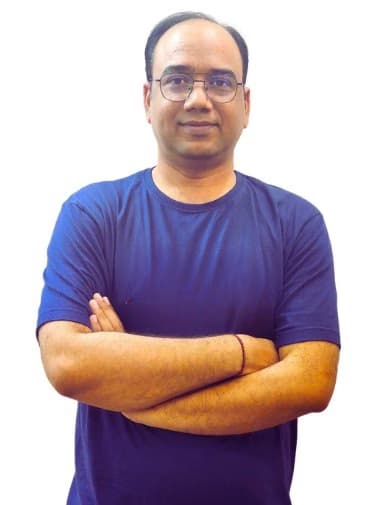
Dr. ASHISH KUMAR GUPTA
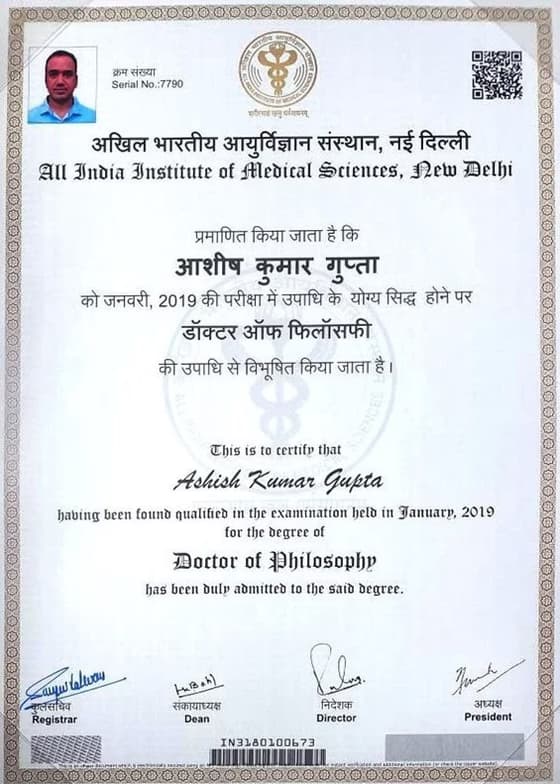
Highly Experienced Biology Faculty | Concept-Based Learning | 9+ Years Teaching | Dr. Ashish Gupta (AIIMS PhD)


Show all photos
Dr. ASHISH KUMAR GUPTA
Doctorate degree
/ 55 min
Your biology tutor - Dr. ASHISH KUMAR
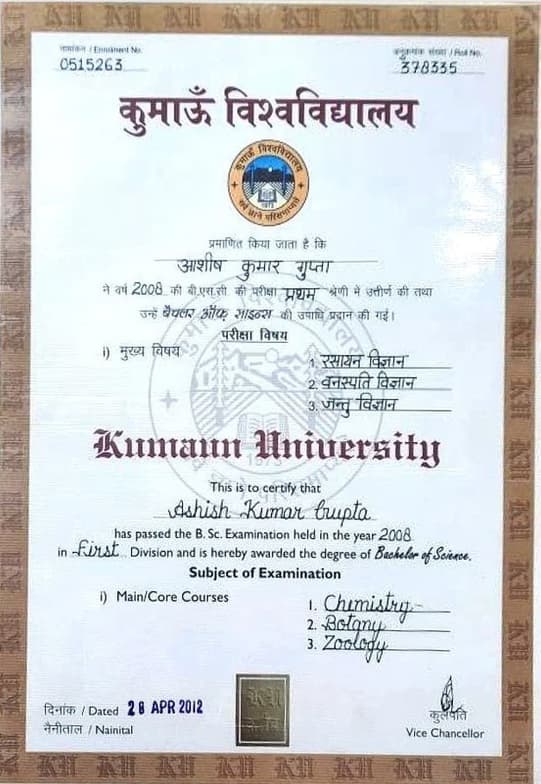
I am Dr. Ashish Kumar Gupta (Ph.D., AIIMS New Delhi), a passionate and result-oriented Biology educator with over 9 years of teaching experience in competitive exams. With a strong academic background from AIIMS, New Delhi, I bring deep conceptual clarity and real-life biological understanding into the classroom. I have mentored thousands of students, helping them crack prestigious exams through strategic preparation and smart learning techniques. I have deep knowledge in cell biology, molecular biology, Physiology, Genetics, Biotechnology, Cell signaling, Ecology, and evolution, etc. My Teaching Style- Concept to Question Approach I focus on building strong concepts first, then connecting them directly to exam-oriented MCQs, PYQs, and application-based questions. Exam-Oriented Strategy Every topic is taught with a clear focus on what is important for exams, saving time and maximizing output. Visual & Diagram-Based Learning Complex topics are simplified using flowcharts, diagrams, and memory tricks, making retention easy and long-lasting. Rapid Revision Techniques Special emphasis on Quick Recall, Rapid Fire MCQs, and Sure Shot Sessions to boost confidence before exams. Multi-Exam Integration I train students to tackle questions across exams.
Meet Dr. ASHISH KUMAR
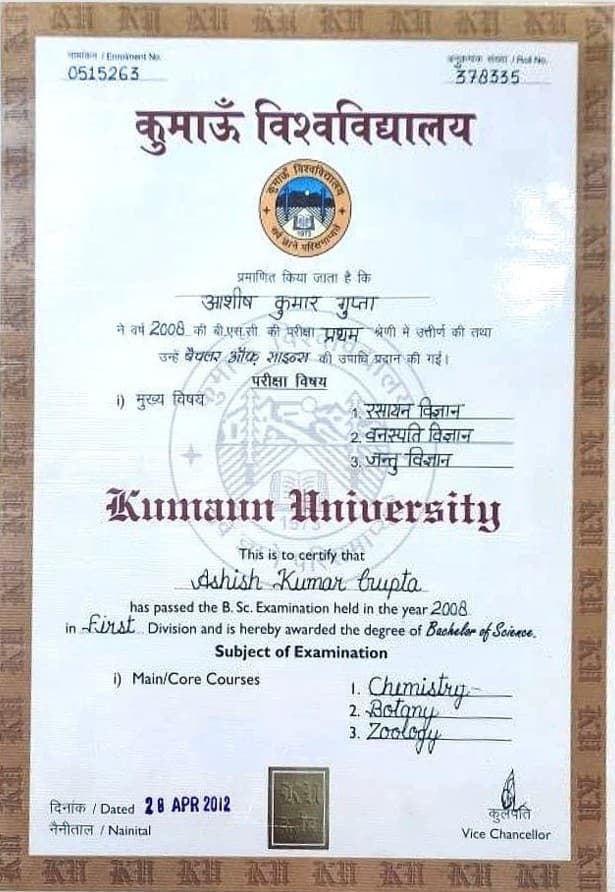
Dr. ASHISH KUMAR graduated from All India Institute of Medical Sciences ( AIIMS) Delhi

Academic expertise of your biology tutor

Homework help

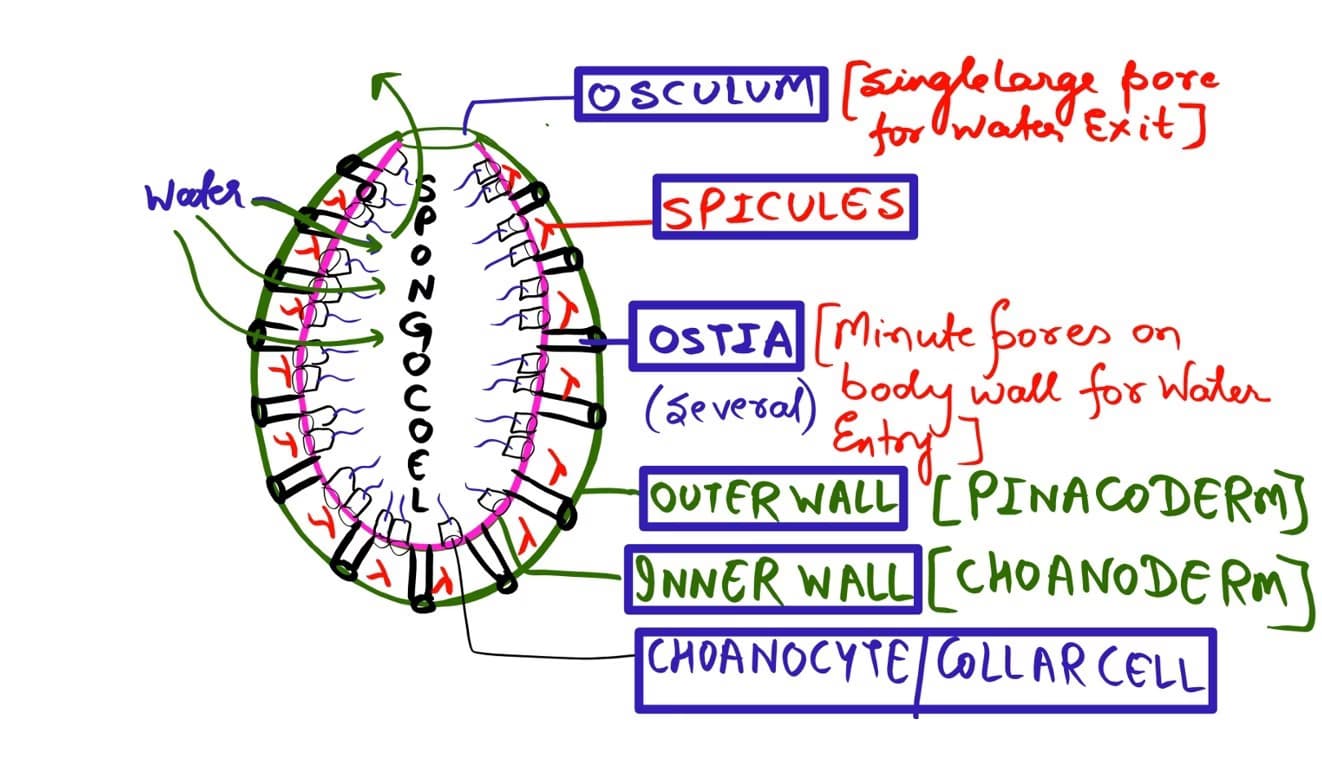
Visual learning
Biology lab skills
Review sessions
Test prep strategies
 CoTutor
AI modules
Summary
Podcast
Quiz
Learnings
Flashcard
Spotlight
Zero Risk Guaranteed
15-days refund
Free tutor swap
No cancel fee
1-yr validity
24/7 support
Types of students for biology class

High School students
College students
None of the above
Your biology tutor also teaches

Biology
Botany
Cell biology
Genetics
Microbiology
Zoology

Biology concepts taught by Dr. ASHISH KUMAR
The Student and Tutor reviewed the detailed processes of urine formation, reabsorption, and micturition from the previous session, including the function of urinary sphincters. The main focus then shifted to the life process of transportation, covering the functions of blood vessels, the mechanisms of oxygen transport via hemoglobin, and the primary methods of carbon dioxide transport, particularly the bicarbonate system and chloride shift. The Tutor advised the Student to revise the concepts and note down any remaining doubts for the next class.
Nephron Function & Urine Formation Review
Arteries vs. Veins: Transport Differences
Oxygen (O₂) Transport in Blood
Carbon Dioxide (CO₂) Transport & Chloride Shift
The Student and Tutor reviewed the human excretory system, specifically clarifying the activation of Vitamin D3 and the hormonal regulation of blood calcium. They then comprehensively covered the structure of the nephron and the detailed processes of urine formation, including glomerular filtration and tubular reabsorption in different segments. The session also touched upon micturition and kidney anatomy, with plans to cover respiration and transportation in the upcoming class.
Vitamin D₃ Activation & Calcium Homeostasis
Nephron Structure: The Kidney's Functional Unit
Urine Formation: Filtration
Reabsorption
and Secretion
Micturition: The Process of Urination
Kidney Anatomy & Stone Formation
The Student and Tutor continued their study of life processes by focusing on the excretory system, delving into the types of metabolic waste and their processing in the human body. They discussed the components and vital functions of the kidneys, including their roles in hormone production and blood volume regulation. The session concluded with an explanation of vitamin D3 activation and a brief review of calcium homeostasis, with plans to continue the lessons on Monday.
Excretion and Nitrogenous Waste Products
Activation of Vitamin D₃: A Kidney-Dependent Process
Blood Volume & Pressure Regulation (RAAS & ANF)
Multifaceted Roles of the Human Kidneys
The Urea Cycle: Ammonia to Urea Conversion
The Student and Tutor continued their discussion on human biology, focusing on the detailed mechanisms of carbohydrate absorption in the small intestine. They explored the roles of different transporters (SGLT1, GLUT2, GLUT5) and membrane types in enterocytes, and also covered glucose homeostasis, the function of insulin, and the role of insulin-dependent GLUT4. The Tutor advised the Student to revise previous concepts and prepare for upcoming topics including transportation, respiration, and excretion.
Insulin-Dependent Glucose Uptake (GLUT4)
Life Processes: Nutrition in Context
Fructose Absorption & Carbohydrate Monomers
Small Intestine Absorption Architecture
Transepithelial Transport & Glucose Absorption
The Tutor and Student delved into the human digestive system, focusing on the enzymatic breakdown of carbohydrates, proteins, and fats, and the subsequent absorption of nutrients in the small intestine. They reviewed the roles of the liver, gallbladder, and pancreas, and the structural adaptations of the small intestine for absorption. The next session is planned for September 14th.
Emulsification in Fat Digestion
The Role of Pancreatic Juice
Structure and Function of Villi and Microvilli
Digestive Timelines: Where and When
The tutor and student reviewed the basic life processes, focusing on types of nutrition and then delving into the human digestive system. They mapped out the gastrointestinal tract, discussed the chemical breakdown of food components, and traced the journey of food from ingestion to the stomach, with plans to cover the small intestine in the next session.
Modes of Nutrition
The Human Digestive Tract (GI Tract)
Digestion: Breaking Down Food
Role of Accessory Organs
Vestigial Organs and Evolution
Teaching tools used by biology tutor

Practice worksheets

Digital whiteboard

Presentations
Video conferencing

Assessments

Biology tutors on Wiingy are vetted for quality
Every tutor is interviewed and selected for subject expertise and teaching skill.
