

Biology tutor near Riverside, CA
Riverside, home to UC Riverside and its noted entomology and plant-science research, takes biology seriously. When a student is drowning in terminology, sessions turn ecology and ecosystems into connected ideas, not a vocab list. Genetics, evolution, and ecology start to link up once an online biology tutor draws the connections. A calm, structured approach keeps motivation steady, so a heavy course stops feeling overwhelming all term long.
Free Trial
15-days refund
Free tutor swap
No cancel fee
Summary
Podcast

We match you with best tutors for your requirements

Recent biology lessons in Riverside cover essential topics
Biology classes held in Downtown, Arlington, Wood Streets areas
Dr.Trusha taught 7 days ago
The Tutor and Student began a new topic, Unit 2 of AP Biology, focusing on the fundamental concepts of cell structure and its various components. They discussed and took notes on key organelles such as ribosomes, the endomembrane system, endoplasmic reticulum, Golgi complex, lysosomes, and vacuoles. The session concluded with a plan to review Unit 1 questions after completing Unit 2.
The Cell: Basic Unit and Eukaryotic Focus
Ribosomes: The Protein Factories
Endomembrane System: Orchestrating Cellular Transport
Endoplasmic Reticulum (ER): Synthesis and Intracellular Support
Golgi Complex: The Cell's Post Office
Lysosomes: Cellular Recycling and Defense
Vacuoles: Storage and Turgor Regulation
Nhu taught about 1 month ago
The Student and Tutor reviewed the human digestive system, covering its main organs, their functions, and the absorption of essential nutrients. They also compared human digestion to variations in animal digestive systems and addressed several quiz questions to reinforce understanding. The Student was assigned to study a new lecture for the next session.
Core Function of the Digestive System
Mechanical vs. Chemical Digestion
Macromolecules and Their Absorbable Units
Accessory Digestive Glands and Their Roles
Surface Area Optimization for Absorption
Animal Digestive System Adaptations
Dr. ASHISH KUMAR taught 3 months ago
Student and Tutor reviewed primary active transport, including the sodium-potassium pump and ATP hydrolysis. They then explored secondary active transport using the example of glucose absorption in the gastrointestinal tract, discussing specific transporters (SGLT1 and GLUT2) and the concepts of symporters and antiporters. The session concluded with a brief overview of nutrient assimilation and the plan to cover 'Life Processes' in the next class.
Symporters and Antiporters
Absorption vs. Assimilation
Glucose Absorption in the Small Intestine
Primary vs. Secondary Active Transport
Kelechi taught 4 months ago
The Student and Tutor reviewed fundamental concepts in microbiology, including cell definitions, prokaryotic and eukaryotic cell structures and differences, and detailed gram staining procedures. They practiced identifying bacterial shapes and functions of various cellular components through quiz questions. Another session was planned to continue covering the extensive curriculum.
Cell Theory and Basic Classification
Key Eukaryotic Cell Organelles and Functions
Prokaryotic Cell Structures (Anatomy of a Bacterium)
Basic Bacterial Morphology (Shapes)
Gram Staining: Principle and Procedure
Bacterial Appendages: Function and Differentiation
Tirivashe taught 6 months ago
The student and tutor reviewed a wide range of pathogenic organisms, including amebas, fungi, viruses, and helminths. They practiced identifying these pathogens through case studies and questions, reinforcing knowledge of their transmission, symptoms, and treatments, with a focus on preparing for an upcoming test.
Protozoan Infections
Fungal Pathogens and Infections
Helminthic Infections (Worms)
Bacterial Pathogens and Toxins
Viral Gastroenteritis and Other Viral Agents
Dr.Trusha taught 6 months ago
The Tutor and Student reviewed lecture slides on microevolution, covering natural selection, gene flow, and genetic drift, including the bottleneck and founder effects. They also discussed mutations and their types, and the Student was asked to complete remaining notes and potentially take a test.
Sickle Cell Anemia and Malaria Resistance
Gene Pool
Microevolutionary Forces
Biology help for all types of needs in Riverside


Explore top biology tutors nearby Riverside
One-on-one help with biology assignments and tests prep
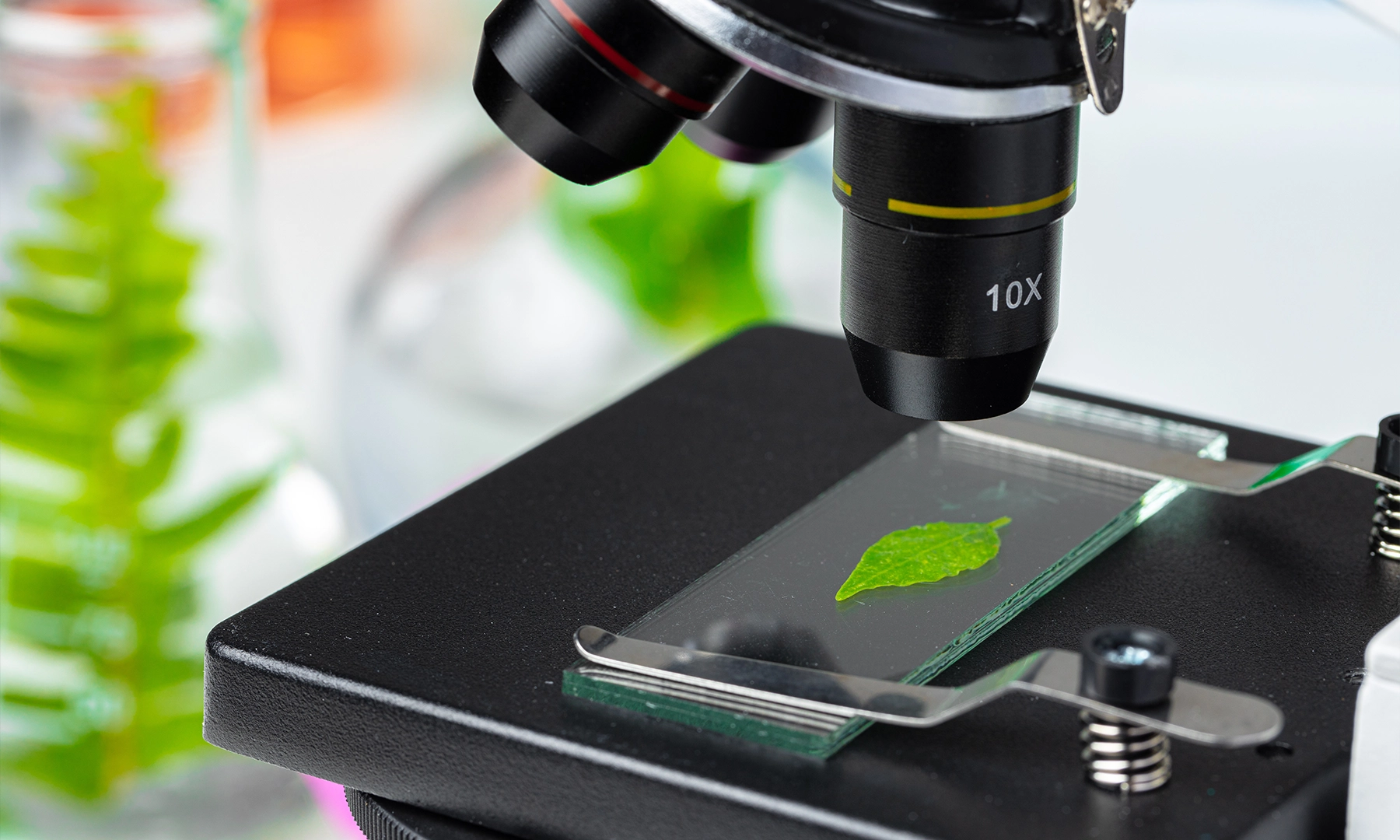


Biology in Riverside the City’s Scientific Powerhouse

Riverside's Biology Legacy and Impact
Biology in Riverside began with the establishment of the UC Citrus Experiment Station in 1907, which laid the foundation for what would become UC Riverside. Today, the biological ecosystem in Riverside generates tremendous scientific and economic value.
Key Facts About Riverside's Biology Significance:
- UC Riverside's Entomology Department ranks 2nd globally
- The Entomology Research Museum houses 4 million insect specimens
- UCR biology programs generate $2.3-2.7 billion in annual economic impact
- The Western Riverside County Habitat Conservation Plan protects 146 native species
- UCR awarded 639 bachelor's degrees in biological sciences in 2021-2022
Biology Education Ecosystem
The biology education infrastructure in Riverside spans from K-12 to doctoral programs, creating a comprehensive pipeline for future biologists. UC Riverside forms the cornerstone of this system with its five biology-related departments and specialised research centres.
California Baptist University boasts a 90% medical school acceptance rate for biology students, while the community college system provides critical transfer pathways in biological sciences. K-12 biology programs reach thousands of students annually through outreach initiatives like the UCR Botanic Gardens tours.
Biological Research Excellence
Biology research in Riverside extends from fundamental science to practical applications. The city's agricultural biology legacy continues with the UC Riverside Citrus Variety Collection, maintaining 1,100 cultivars across 4,500 trees.
Recent biology breakthroughs include discovering the first effective treatment for citrus greening disease using antimicrobial peptides from Australian finger limes, developing drought-resistant crops through brassinosteroid hormone engineering, and pioneering sustainable farming with nitrogen-fixing black-eyed peas.
Unique Biological Environments
The biology of Riverside's natural areas creates extraordinary research opportunities. The region's position at the intersection of desert, mountain, and coastal influences generates seven distinct plant communities within its boundaries, from riparian woodland at 860 feet to conifer forests above 3,000 feet.
The biology of conservation takes centre stage with the Western Riverside County Multiple Species Habitat Conservation Plan - the largest in the United States - covering 1.26 million acres and assembling a 500,000-acre reserve system currently over 80% complete.
Biology Career Opportunities
The biology job market in Riverside offers diverse opportunities across multiple sectors, biology-related salaries averaging $93,272 annually. The projected addition of 100,000 tech jobs by 2030, combined with UCR's $2.3-2.7 billion annual economic impact, positions Riverside as an emerging hub for biological sciences careers.
The Future of Biology in Riverside
Riverside demonstrates how biology can transform a regional agricultural centre into a global research hub while preserving unique ecosystems and driving economic development. The convergence of world-class research facilities, extraordinary biodiversity, innovative conservation programs, and a growing biotechnology industry creates a model for how mid-sized cities can leverage biological sciences for sustainable prosperity.
From the historic parent Washington navel orange tree to cutting-edge genomics laboratories, Riverside exemplifies biology's power to address both fundamental scientific questions and practical challenges facing humanity. As climate change and environmental pressures intensify, Riverside's integration of academic excellence, agricultural innovation, ecosystem conservation, and community engagement positions it as an increasingly vital centre for biological research and education in the 21st century.


