
Nhu Nguyen
Learn Smarter, Score Higher with MD Tutor for College Science, Pre-med & AP Test Prep


Show all photos
Nhu Nguyen
Bachelors degree
/ 55 min
Your biology tutor - Nhu
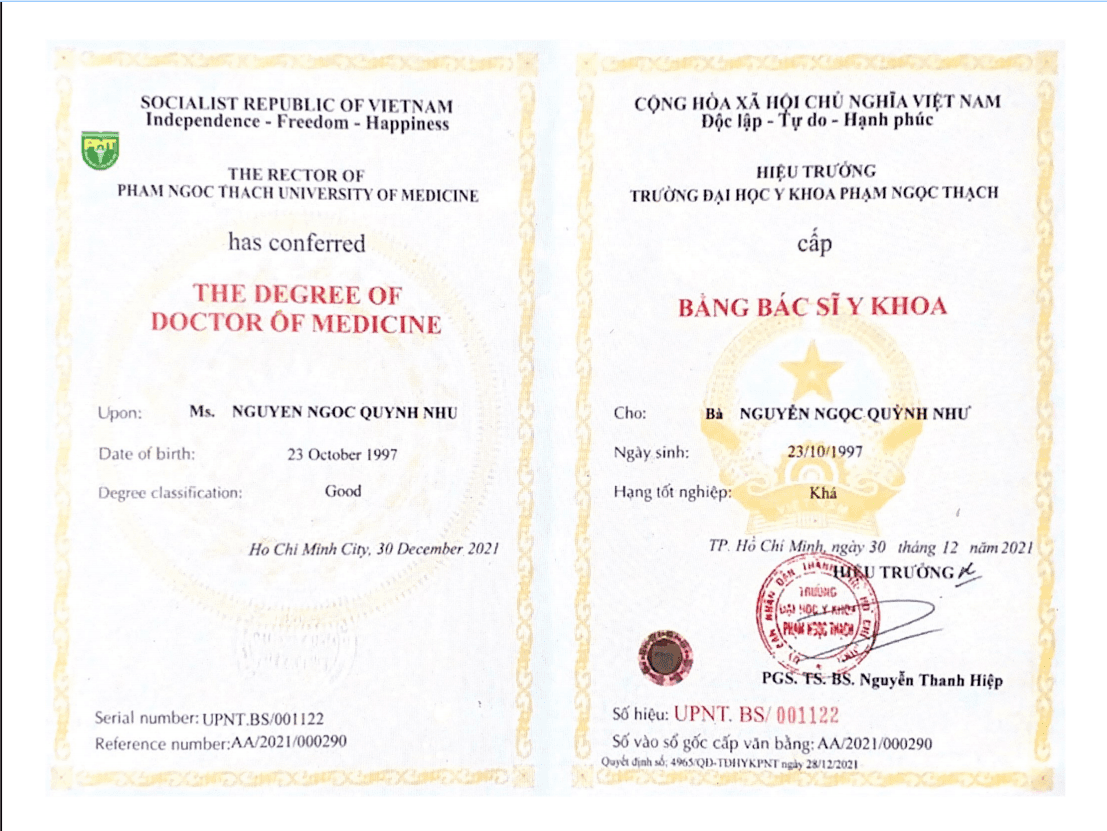
With a strong foundation in medicine and a passion for teaching, I bring a supportive, results-driven approach to helping students succeed. I graduated as a Doctor of Medicine in Vietnam and am ECFMG certified with US Medical License Exam Step 1,2,3 completed. Currently pursuing Diagnostic Medical Sonography in Ohio, I combine clinical knowledge with real-world healthcare experience to make complex concepts easier to understand. Over the past several years, I have mentored students from high school to medical school in Biology, Anatomy & Physiology, Biochemistry, Genetics, Microbiology, AP Biology, and USMLE Step 1 preparation. My teaching style is highly personalized. I adapt to each student’s learning style using digital whiteboards, mnemonics, question-bank discussions, and teach-back methods to build confidence and long-term retention. Students working with me have improved exam scores significantly within weeks, with multiple students achieving top grades and successful USMLE outcomes. Beyond academics, I focus on mentorship, motivation, and accountability. I help students develop independent study habits, SMART goals, and clinical reasoning skills while creating a compassionate, encouraging environment where they feel comfortable asking questions and growing at their own pace.
Nhu graduated from HCM University of Medicine and Pharmacy
Academic expertise of your biology tutor

State-Specific Standards (USA)

Career guidance

Homework help
Personalized learning plans
Test prep strategies
 CoTutor
AI modules
Summary
Podcast
Quiz
Learnings
Flashcard
Spotlight
Zero Risk Guaranteed
15-days refund
Free tutor swap
No cancel fee
1-yr validity
24/7 support
Types of students for biology class

College students

Home schooled
High School students
Your biology tutor also teaches

Biology
Cell biology
Genetics
Microbiology
Human Anatomy

Biology concepts taught by Nhu
The Student and Tutor explored the fundamental characteristics and classification of amphibians, comparing them to fish and detailing their major subgroups. They discussed key adaptations related to temperature regulation, respiration, and reproduction, including the life cycles and mating behaviors. The session also introduced the concept of amniotes as a distinguishing feature from amphibians, with plans to delve deeper into these topics in the next session.
Amniotes and the Amniotic Egg
Amphibian Reproduction and Life Cycles
Amphibian Adaptations for a Dual Lifestyle
Amphibian vs. Fish: The Evolutionary Leap
Three Major Groups of Amphibians
The Tutor and Student outlined the upcoming fish lecture, covering fish evolution, major fish groups, and their adaptations for survival. They began discussing the common ancestor of vertebrates and compared the three major fish groups based on skeletal and fin structures, providing examples for each. The session also detailed the adaptations of sharks for swimming and feeding, and a general framework for studying reproduction was introduced for the Student's upcoming self-study.
Fish Evolution: From Ancestry to Adaptation
Three Major Fish Groups & Classification
Adaptations for Swimming & Feeding (Shark Focus)
Adaptations for Reproduction
The Student and Tutor reviewed fundamental concepts in biology, focusing on enzyme structure, protein levels, chemical reaction types (endergonic and exergonic), and the principles of Gibbs Free Energy. They discussed how protein structure relates to function, particularly for enzymes, and explored the energetic requirements and releases in chemical bond formation and breakage. The Tutor planned to cover enzyme inhibitors in a future session to help the Student prepare for an upcoming quiz.
Gibbs Free Energy (ΔG): Measuring Available Energy
Energy Dynamics in Reactions: Endogonic vs. Exergonic
Enzyme Function: Catalysis and Active Sites
Enzyme Structure: The Protein Foundation
Student and Tutor reviewed key concepts of cell transport, including endocytosis, exocytosis, vesicle structure, and the definitions of hypertonic, hypotonic, and isotonic solutions. They also clarified the terms diffusion, gradient, osmotic pressure, and tonicity. The session concluded with applying these concepts to a complex clinical case study on red blood cell hemolysis due to inappropriate IV fluid administration, discussing both the mechanism of harm and appropriate treatment. The Student has an upcoming exam for Unit 3 and 4, and next session will cover active transport, review Unit 3, and discuss microscope topics.
Exocytosis & Endocytosis
Red Blood Cell Hemolysis: A Case Study
Toxicity (Solute Potential)
Gradient & Diffusion (Passive Transport)
Tonicity: Hypertonic
Hypotonic
Isotonic Environments
Osmotic Pressure
The Student and Tutor continued their discussion on arthropod classification, focusing on the characteristics and subgroups of Pancrustacea, specifically Crustaceans and Insects. They reviewed the defining features, habitats, and the two main types of metamorphosis, and began categorizing major insect orders by their characteristics. The Tutor plans to send notes, and the Student will provide the next slides for the following session.
Pancrustacea: Crustaceans
Pancrustacea: Insects (Defining Features & Metamorphosis)
Six Major Insect Orders & Wing Features
The Student and Tutor engaged in an extensive review of human reproduction, specifically focusing on the processes of spermatogenesis and oogenesis. They covered the distinct timings, locations, cellular stages, and maturation of male and female gametes, including the role of meiosis and mitosis. The session also delved into the intricacies of female ovarian follicle development and the phases of the menstrual cycle.
Mitosis vs. Meiosis in Gamete Formation
Spermatogenesis: The Male Production Line
Oogenesis: Complexities of Female Gamete Development
Ovarian Follicle & Oocyte Maturation
The Menstrual Cycle: Timing Key Reproductive Events
Teaching tools used by biology tutor

Practice worksheets

Digital whiteboard

Assessments

Quizzes
Digital Note taking

Biology tutors on Wiingy are vetted for quality
Every tutor is interviewed and selected for subject expertise and teaching skill.
