French tutor near me in Canada
Achieve fluency with personalized French classes
Filters
Level
French Skills
Specialities
Test
Price
Special Needs
Education
Tools Used
Level
French Skills
French
Reading
Speaking
Writing
Conversational French
Business French
Show more
Specialities
Homework help
Test prep strategies
Career guidance
Conversational French
French culture immersion
French pronunciation
Show more
Test
Show more
Price
Special Needs
ADHD
ASD
Learning Disabilities
Show more
Education
Tools Used
Dictation tools
Grammar practice
Writing prompts
Show more

French tutor across Canada helping students improve
Available across major cities from Vancouver to Toronto
Sandra taught 1 day ago
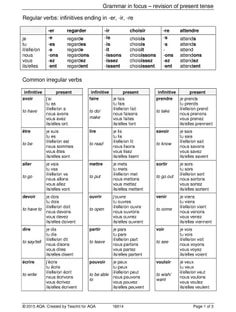
The student and tutor reviewed French grammar, focusing on adjective agreement and preposition usage. They practiced applying these concepts through examples and pronunciation, with a plan to reinforce these skills in future sessions.
Adjectives in French
Prepositions of Place in French
Basic French Greetings and Phrases
Laurence taught 9 days ago
The tutor and student worked on French vocabulary and pronunciation exercises, practicing reading words and simple sentences. They reviewed various terms related to descriptions, actions, and objects, with the student actively participating in pronunciation and translation tasks.
French Gendered Nouns
French Pronunciation Rules
French Adjectives
Basic French Vocabulary Acquisition
Asmaa taught 18 days ago
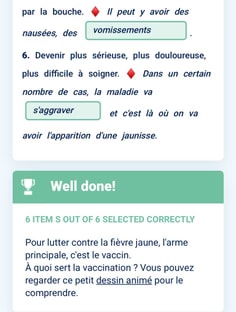
The tutor and student engaged in a review of French language fundamentals, including numbers, vocabulary, and basic sentence structures. They practiced pronunciation, conjugation of first-group verbs, and completed a quiz and reading exercise. The next class will focus on conjugating second and third group verbs.
French Verb Conjugation: Present Tense (Regular -ER verbs)
French Pronunciation Rules: Silent Letters and Liaisons
French Adjective Agreement (Masculine/Feminine)
French Number System (1-100)
Delfina taught 23 days ago
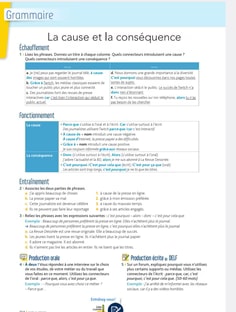
The tutor and student reviewed French grammar and vocabulary, focusing on question formation, verb conjugations, and the use of the subjunctive mood. They practiced vocabulary related to housing, events, and daily activities, with the student asking questions to confirm correct phrasing and usage. The session concluded with a review of specific grammatical structures and plans to continue practicing French.
Future Tense Formation (Être et Aller)
Subjunctive Mood Usage
Using "Est-ce que" and Inversion for Questions
Vocabulary for Daily Life and Events
Muskaan taught 29 days ago
The Tutor and Student reviewed and practiced French vocabulary, covering family members, household items, and animals. They also learned and practiced phrases for expressing 'I have' and 'I want', along with related grammatical structures. The session concluded with homework assignment and scheduling for future classes.
French Vocabulary: Animals
French Vocabulary: Around the House
French Possessive Adjectives
French Pronunciation Rules
French Family Vocabulary
French Sentence Structure: 'Avoir' and 'Vouloir'
Gaetan taught about 1 month ago
The student and tutor reviewed French verb conjugations, focusing on present tense question formation and past tense (passé composé) structures. They practiced sentence construction, idiomatic expressions, and dialogue translation to reinforce grammar and vocabulary.
French Verb Conjugation: Past vs. Present Tense Inversion
Pronunciation Rules for '-er' and '-é' Endings
Forming Negative Sentences in French
Using 'Avoir' (to have) for States and Feelings
Learn from native French tutors across Canada


Expert French tutors across Canada for all levels
Personalized lessons help you speak confidently


French tutors in Canada helping learners speak with clarity and confidence

Learning French is a journey that connects communication, culture, and self-expression. In a country where French is one of the official languages, developing fluency offers both practical and personal rewards. Many learners begin with uncertainty, wondering how to pronounce new words or construct natural sentences. French tutors in Canada help students overcome that hesitation through steady, guided lessons that make the language approachable. With consistent practice, students start recognizing patterns, understanding structure, and speaking more naturally.
Building a strong foundation in pronunciation and grammar
The first steps in learning French often focus on listening closely and building confidence in pronunciation. Tutors introduce basic vocabulary, everyday expressions, and simple grammatical patterns that help learners form complete sentences early on. Instead of memorizing endless lists of words, students practice using them in meaningful ways, asking questions, describing experiences, or expressing opinions. Over time, pronunciation improves as learners become more familiar with accents and rhythm. This solid foundation creates lasting comfort when speaking or writing in French.
How French tutors make lessons interactive and effective
Good language learning depends on interaction and engagement. French tutors bring lessons to life through practical examples, role-play, and listening exercises that mirror real-life conversations. Students might practice how to order food, greet someone politely, or talk about their interests. Grammar is explained in context, which helps learners understand not just how sentences work but why they work that way. Lessons often include audio clips, short readings, and vocabulary games to keep learning balanced and enjoyable. As confidence grows, students begin forming spontaneous responses rather than memorized lines.
Expanding vocabulary and building conversational flow
Developing a wide vocabulary helps learners speak more freely and naturally. Tutors encourage students to learn new words in groups related to themes such as travel, education, or hobbies. This approach helps them recall vocabulary faster and apply it in conversation. Listening practice also plays an important role. By hearing native-level speech in songs, short dialogues, or podcasts, students start recognizing pronunciation subtleties and natural phrasing. Gradually, their conversations shift from slow translation to confident speaking, where the focus is on meaning rather than perfection.
Overcoming common challenges with motivation and guidance
French learners often face moments of frustration when grammar feels complex or when words seem difficult to remember. Tutors help by breaking lessons into smaller goals so that each session brings a sense of progress. Mistakes are treated as learning opportunities, not setbacks. With regular correction and encouragement, students build a habit of self-reflection and growth. Structured revision sessions reinforce memory, while short speaking tasks improve fluency. As learners see improvement, motivation becomes easier to maintain, even when the material grows more advanced.
Understanding the culture behind the language
Learning French is not just about vocabulary and grammar; it is also about understanding the culture that gives the language its richness. Tutors introduce cultural elements through simple stories, films, or traditions that make lessons more relatable. Students learn how phrases change with context and how politeness and tone shape communication. Understanding these subtleties deepens appreciation for the language and helps learners speak more naturally. The connection between culture and communication is what transforms learning from repetition into genuine expression.
The long-term benefits of learning French in Canada
French fluency is an asset in education, business, and everyday life across Canada. Students who continue their lessons develop communication skills that enhance career options and social connections. Whether preparing for exams, improving workplace communication, or learning for personal enrichment, mastering French brings a sense of accomplishment. The patience and persistence developed through language study also strengthen focus and problem-solving skills. Over time, learners discover that speaking French is not just about learning another language but about gaining a new way to think, connect, and express themselves.