Biology tutor near me in The Bronx, NY
Strengthen foundations with expert biology instruction
Filters
Level
Topics
Specialities
Price
Education
Tools Used
Special Needs
Curriculum
Level
Topics
Biology
Botany
Cell biology
Genetics
Microbiology
Zoology
Show more
Specialities
Homework help
Test prep strategies
Visual learning
Personalized learning plans
Real world application
Review sessions
Show more
Price
Education
Tools Used
Digital whiteboard
Quizzes
Assessments
Show more
Special Needs
ADHD
ASD
Learning Disabilities
Show more
Curriculum
International Baccalaureate
Common Core State Standards
State-Specific Standards
Show more

Biology classes near The Bronx for grade improvement
Fordham, Soundview, Riverdale host regular biology lessons
Tirivashe taught 9 days ago
The Student and Tutor engaged in an in-depth exploration of immunology, covering innate and adaptive immunity, various white blood cells, phagocytosis, MHC molecules, inflammation, fever, and specific immune responses to different pathogens. The Student practiced identifying these concepts through questions and explanations, with plans to review the material further.
Physical and Chemical Barriers
White Blood Cells and Their Roles
Antigen Presentation: MHC Class I vs. Class II
Cytokines and Interferons: Immune Messengers
Inflammation: Signs
Triggers
and Resolution
Dr.Trusha taught 20 days ago
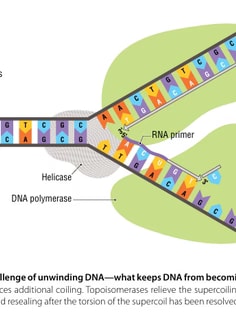
The Tutor and Student reviewed the structure and function of DNA as genetic material, exploring its historical discovery and the key experiments that established its role. They also covered the molecular components of DNA, including nucleotides and nitrogenous bases, and discussed the chemical classifications of these bases.
DNA Structure and Discovery
Experiments Proving DNA as Genetic Material
Pyrimidines and Purines
Dr.Trusha taught 30 days ago
The tutor and student reviewed concepts related to protein structure, focusing on disulfide bonds, the differences between fibrous and globular proteins, and methods for tertiary structure determination including X-ray diffraction and NMR spectroscopy. They also practiced interpreting Ramachandran plots and identifying surface amino acids for water-soluble proteins, with plans to cover protein motifs and domains in the next session.
Disulfide Bonds
Protein Structure Determination Methods
Hydrophilic vs. Hydrophobic Amino Acids
Ramachandran Plot
Shravanthi taught 4 months ago
The Tutor and Student reviewed the types of tissues found in the human body, including epithelial and connective tissues. They covered the classification, structure, and function of various cell types within these tissues, such as squamous, cuboidal, and columnar epithelial cells, as well as fibroblasts and adipocytes. The next session will continue with muscle and cardiac tissues.
Types of Stratified Epithelial Tissue
Connective Tissue Fibers
Connective Tissue Cells
Connective Tissue
Types of Simple Epithelial Tissue
Epithelial Tissue
Tissue Organization
Dr.Trusha taught 5 months ago
The student and tutor discussed selection types (individual and group) in chickens and how they impact productivity. They also covered how to sample a population for phenotypes and calculate parameters, including the phenotypic value equation. The tutor recommended reviewing the PowerPoint with a positive mindset and seeking worksheets from the professor for exam preparation.
Individual vs. Group (Flock) Selection
Principle of Selection
Factors Influencing Egg Production
Phenotypic Variation and Parameters
Genetic Architecture Equation
Qualitative vs. Quantitative Traits
Dr.Trusha taught 5 months ago
The Student and Tutor reviewed tissue types, focusing on epithelial, connective, muscle, and nervous tissues, their functions, and key differences. The Student worked through multiple-choice questions and short answer questions relating to tissue types and the integumentary system. The Tutor assigned homework involving researching types of corpuscles found in the skin and offered to provide study guides for upcoming topics.
Connective Tissues
Epithelial Tissue
Nervous Tissue
Integumentary System
Glandular Secretions
Types of Muscle Tissue
Test prep and biology homework help in the Bronx


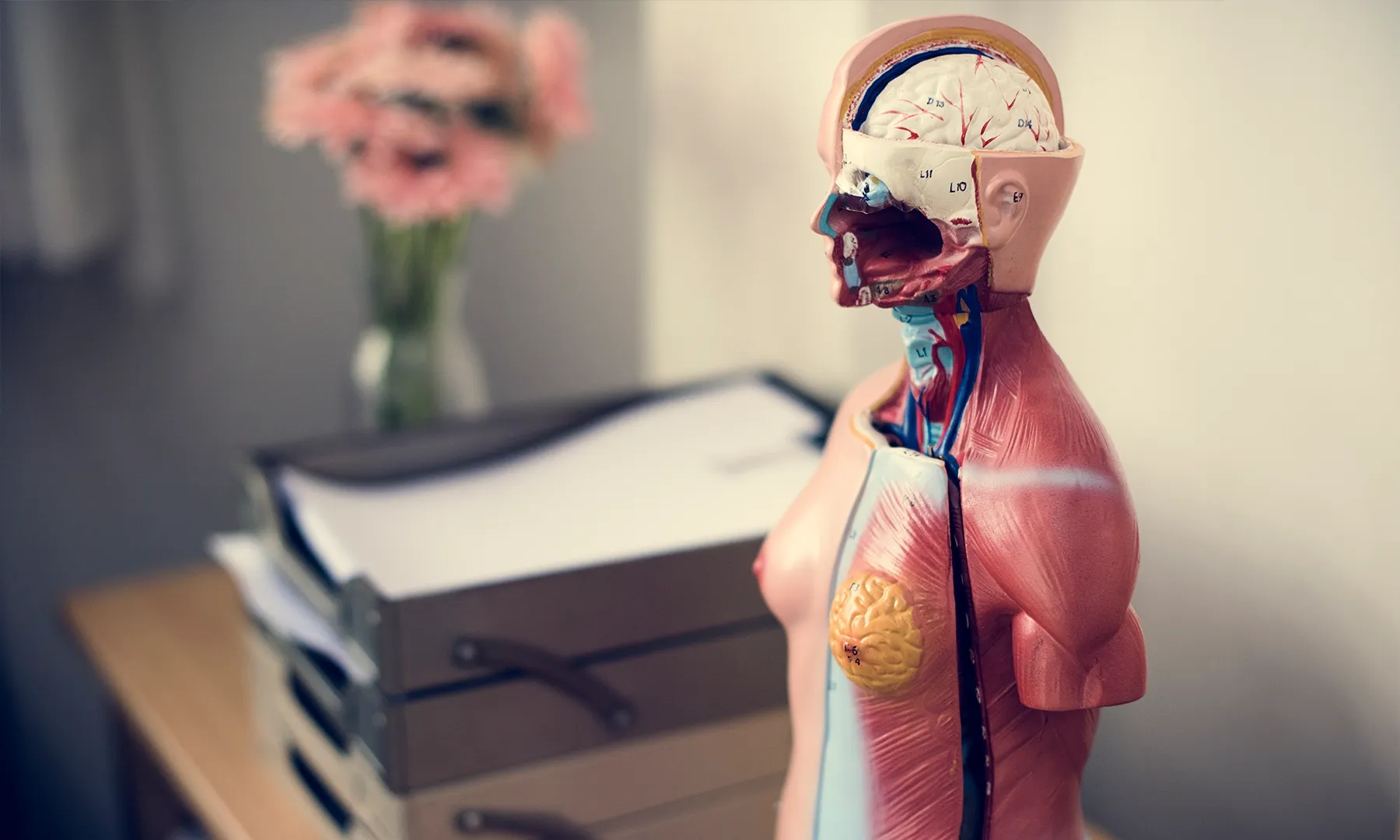
The Bronx - Leading Hub for Biology, Research, and Innovation

A Borough of Biological Excellence and Innovation
The Bronx, New York City's northernmost borough, stands as an extraordinary centre for biological discovery and education. This 42-square-mile urban landscape hosts an unparalleled convergence of world-class scientific institutions, expansive natural parks, and a recovering river ecosystem, creating the perfect living laboratory for biological studies at every level. With over 25% of its land dedicated to parks, the highest percentage of any New York City borough, the Bronx offers unmatched opportunities for hands-on biology, from basic education to advanced research. This unique ecosystem supports a rich biodiversity, and its institutions are pioneering cutting-edge research in conservation biology and restoration biology with global implications.
Parks as Immersive Biological Field Stations
The Bronx's green spaces are sophisticated outdoor classrooms for over 40,000 students annually. Pelham Bay Park, at 2,772 acres, is three times the size of Central Park and contains rare coastal meadows, protected wildlife sanctuaries, and salt marshes that are vital for both carbon sequestration and marine life. It’s a premier ornithological research location with 315 documented bird species. Meanwhile, 1,146-acre Van Cortlandt Park is home to the borough's largest freshwater lake and a 52-acre old-growth forest with trees dating to the 1600s. The parks' ecosystems provide invaluable data for climate change biology. These parks provide a living timeline of ecological change and serve as invaluable sites for field biology, aligning with Next Generation Science Standards to build scientific literacy in biology through direct experience.
World-Class Research and Education Hubs
The Bronx houses biological research institutions with global impact. The New York Botanical Garden (NYBG), a 250-acre living museum, maintains a world-class herbarium with 7.8 million specimens that supports critical research in plant biology. The nearby Bronx Zoo, headquarters for the Wildlife Conservation Society, conducts groundbreaking research in wildlife genetics and conservation biology, helping recover critically endangered species. Educational excellence in biology starts early at the renowned Bronx High School of Science, which has produced nine Nobel laureates. At the collegiate level, institutions like Lehman College, part of CUNY, provide state-of-the-art facilities for thousands of STEM students focusing on biology, while Fordham University partners with the NYBG on graduate programs, solidifying the borough's role as an educational powerhouse in biology.
The Bronx River: A Model of Urban Restoration
The 23-mile Bronx River represents one of the world's most successful urban river restoration projects, offering profound insights into restoration biology. Once declared biologically dead, the river now supports 55 fish species. The Bronx River Alliance coordinates data-driven restoration efforts that have improved water quality by 68% since 2001. The return of beavers in 2023 after a 400-year absence is a crowning achievement that showcases a key principle of field biology. This living laboratory demonstrates how applied biology can transform degraded urban ecosystems, offering hope and practical strategies for cities worldwide.
Community-Driven Biological Discovery
The Bronx has pioneered a revolutionary approach to biology by transforming residents into active scientific contributors. The NYBG's EcoFlora project engages 1,740 community scientists who have documented 95% of the borough's plant species. Similarly, the Bronx River Alliance’s water quality program trains volunteers to collect EPA-recognized data that informs watershed management. The success of this community-based biology is evident, with 23 peer-reviewed papers including community-collected data since 2020. These programs democratize science, fostering environmental justice and building scientific capacity from within the community, making biology an accessible, hands-on discipline for all. The tangible results of this engaged biology strengthen the entire community.