

Biology tutor near Manhattan, NY
In Manhattan's competitive high schools, the Biology Regents and AP Biology shape the pre-med track. Whether the aim is a better report card or a health-science major, the work on the human body's systems builds toward it. Session by session, an online biology tutor builds the vocabulary and the big picture together. Online and on demand, help shows up exactly when it is needed.
Free Trial
15-days refund
Free tutor swap
No cancel fee
Summary
Podcast

We match you with best tutors for your requirements

Biology tutors in Manhattan accelerate academic progress quickly
Harlem, Upper West Side, Midtown see active biology tutoring
Nhu taught 9 days ago
The Student and Tutor engaged in a detailed discussion and review of cell transportation mechanisms, including passive and active transport, diffusion, osmosis, and tonicity. They also covered vesicle transportation (endocytosis and exocytosis) and osmoregulation strategies. The Tutor checked the Student's answers to practice questions related to these concepts and assigned additional practice questions for follow-up.
Cellular Transport: Active vs. Passive
Passive Transport Mechanisms: Diffusion & Facilitated Diffusion
Osmosis and Tonicity: Water Movement
Active Transport: Primary and Secondary
Vesicle Transport: Endocytosis & Exocytosis
Osmoregulation Strategies
Shraddha taught about 1 month ago
Student and Tutor reviewed carbohydrates, including glycosidic bonds and various polysaccharides like starch, glycogen, and cellulose, along with their structures amylose and amylopectin. The session then introduced lipids, covering their functions, elemental composition, and monomer unit (triglyceride), before detailing phospholipids and steroids. The Student was advised to practice questions and review flashcards on the co-tutor AI platform before the next class, which will focus on amino acids and nucleic acids.
Amylose and Amylopectin in Starch
Steroids: Hormones and Regulators
Phospholipids: Builders of Cell Membranes
Triglycerides: The Body's Primary Fat Storage
Introduction to Lipids: Energy & Structure
Polysaccharides & Their Diverse Roles
Tirivashe taught 3 months ago
The Student and Tutor worked through an AP Biology homework assignment involving the analysis of experimental data related to breast cancer drug efficacy. They practiced calculating means, standard error of the mean, constructing error bars, and interpreting statistical significance for different drug treatments and control groups. The next session is planned to cover Chapter 3.
Cancer Cell Characteristics & HER2 Protein
Calculating & Interpreting Mean
SD
and SEM
Using Error Bars for Statistical Significance
Importance of Controls: Positive & Negative
Improving Data Confidence & Mitigating Wide Error Bars
Why Statistical Analysis is Vital
Parul taught 4 months ago
The Student and Tutor focused on advancing the Student's research project on pollinator preferences for native and non-native plants. They collaborated on identifying relevant academic papers for the TMA 3 Part 1 literature review, refining search strategies using boolean operators, and clarifying citation guidelines. Additionally, they reviewed the structural requirements and marking criteria for the upcoming oral presentation.
Identifying Relevant Research Papers for Specific Species
Developing Scientific Arguments & Explaining "Why"
Effective Literature Searching with Boolean Operators
Structuring a Research Presentation
Proper Referencing and Citation Practices
Dr. ASHISH KUMAR taught 6 months ago
The Tutor and Student reviewed the components and functions of blood, including red blood cells, white blood cells, and platelets, and their origins from stem cells. They extensively covered blood typing systems (ABO and Rh), focusing on universal donors and recipients, and the implications of blood transfusions, concluding with the physiological response to hypoxia.
Blood Cell Abundance and Function
Hematopoiesis: The Origin of Blood Cells
Blood Group Compatibility: ABO and Rh Systems
Agglutination Reaction in Transfusions
Erythropoiesis and Altitude Adaptation
Samridhi taught 6 months ago
The Tutor and Student reviewed cell division, focusing on the processes of meiosis and mitosis, and the mechanisms of genetic variation. They then transitioned to Mendelian genetics, discussing Mendel's laws of dominance, segregation, and independent assortment, and exploring non-Mendelian inheritance patterns like incomplete dominance and codominance. The student plans to take a practice exam to identify weaker units for future study.
Meiosis vs. Mitosis
Stages of Meiosis
Chromosome Structure and Terminology
Crossing Over and Genetic Variation
Mendelian Genetics: Laws of Inheritance
Non-Mendelian Inheritance Patterns
Improve grades with biology tutoring in Manhattan


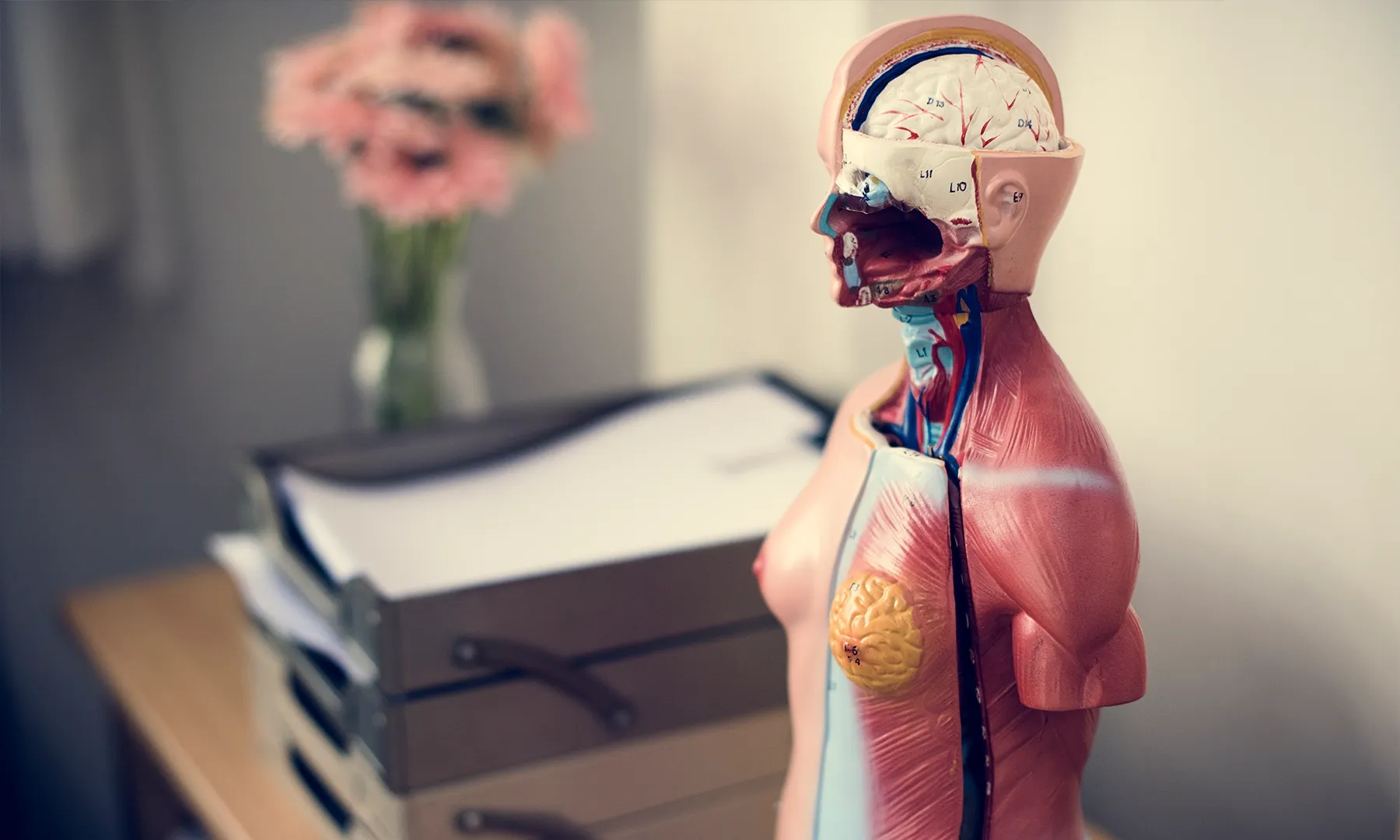


Manhattan: A City Sparking Biology Interest

Manhattan, with its dense population and iconic concrete canyons, has become a living laboratory where urban biology, prestigious academic institutions, and vibrant public biology initiatives intersect. This dynamic environment provides a fertile ground for biological exploration, from the molecular biology of its diverse inhabitants to the complex ecosystems thriving in its parks and waterways, making it a premier destination for the study of biology.
The borough's prowess in biology education is anchored by world-renowned institutions. The American Museum of Natural History, a global destination for natural science, welcomes millions of visitors annually and houses an astounding 32 million specimens. Its halls and the recently added Richard Gilder Centre for Science, Education, and Innovation offer immersive experiences, including an insectarium and a butterfly vivarium that bring core biology topics to life. Beyond its public exhibits, the museum is a significant research hub for biology, with a large scientific staff conducting studies across numerous biological disciplines.
This rich educational ecosystem extends to higher learning, with many institutions offering a bachelor's degree in biology. Universities like Columbia and NYU provide robust biology programs, while institutions like Marymount Manhattan College and Manhattan University offer specialised degrees in fields from human biology to environmental biology, preparing students for careers in research and healthcare. These programs emphasise hands-on learning, a cornerstone of any biology education. For younger students, a variety of programs offer early exposure to advanced biology topics. Numerous research programs in biology for high school students are also available through institutions like the American Museum of Natural History and the New York Stem Cell Foundation.
Manhattan's "living laboratories" for biology are not confined to traditional institutions. The island's parks and revitalised waterfronts serve as vital classrooms for urban biology. Hudson River Park's 400-acre Estuarine Sanctuary provides a critical habitat for numerous fish species and offers community science programs. In the north, Inwood Hill Park boasts the last natural forest and salt marsh in the borough, offering a glimpse into the historical ecology that underlies the city.
From the high-tech labs studying molecular biology to the biodiverse ecosystems of its parks, Manhattan offers a multifaceted and dynamic environment for biological discovery. The dense urban fabric, far from being a barrier, creates a unique setting to study the resilience of life and the intricate connections between human activity and the natural world. This synergy of world-class education and cutting-edge research solidifies Manhattan's position as a global leader in biological learning and innovation.


