Biology tutor near me in Riverside, CA
Develop clarity through dedicated biology lessons
Filters
Level
Topics
Specialities
Price
Education
Tools Used
Special Needs
Curriculum
Level
Topics
Biology
Botany
Cell biology
Genetics
Microbiology
Zoology
Show more
Specialities
Homework help
Test prep strategies
Visual learning
Personalized learning plans
Real world application
Review sessions
Show more
Price
Education
Tools Used
Digital whiteboard
Quizzes
Assessments
Show more
Special Needs
ADHD
ASD
Learning Disabilities
Show more
Curriculum
International Baccalaureate
Common Core State Standards
State-Specific Standards
Show more

Recent biology lessons in Riverside cover essential topics
Biology classes held in Downtown, Arlington, Wood Streets areas
Purvai taught 10 days ago
The tutor and student reviewed molecular biology concepts, including transcription, translation, codons, and mutations. They practiced identifying coding sequences from DNA, converting them to mRNA, and predicting protein sequences, as well as analyzing gene expression data from RNA sequencing and solving problems related to restriction enzyme activity and biochemical pathways. The next session will cover remaining questions and potentially microbiology topics like PCR.
Translation: From DNA to Protein
Mutations: Altering the Genetic Code
Gene Expression and RNA Sequencing
Restriction Enzymes and DNA Ligation
Biochemical Pathways and Metabolic Mutations
Khusbu taught 19 days ago
The session reviewed applied microbiology techniques, focusing on the importance of pure cultures and the use of selective and differential media for bacterial identification. The student practiced understanding Gram staining, endospore staining, acid-fast staining, and biochemical identification tests, with plans to continue this topic in the next class.
Pure Culture Techniques
Selective and Differential Media
Differential Staining Techniques
Biochemical Identification Tests
Samridhi taught about 1 month ago
The student and tutor worked on designing a graphical abstract, focusing on visual elements, icon selection using BioRender and Canva, and AI-generated imagery. They also discussed font choices and reviewed progress, rescheduling the next session to accommodate the student's presentation preparation.
Canva for Graphic Design
BioRender for Scientific Illustrations
Effective Icon Selection for Scientific Communication
Backgrounds and Contrast in Visual Design
AI Image Generation for Unique Visuals
Evelyn taught about 1 month ago
The tutor and student reviewed the processes of translation and mutations, covering their stages, components, and types. They discussed DNA and chromosomal mutations, post-translational modifications, and their associated diseases. The next session will focus on free-response questions related to these topics.
Chromosomal Mutations: Alterations in Structure and Number
Mutations: Changes in the Genetic Code
Ribosome Structure and Function
Translation: The Central Dogma in Action
Dr.Trusha taught 4 months ago
The Student and Tutor reviewed photosynthesis in detail, including light and dark reactions (Calvin cycle). The Student drew a diagram to understand the process, and they discussed the roles of photosystems I and II. A test on photosynthesis was scheduled for Wednesday, and the Tutor discussed adding more lessons to cover the syllabus.
Photosynthesis Overview
Light Reaction
Photolysis of Water
Photosystems I and II (PSII and PSI)
Dark Reaction (Calvin Cycle)
Reduction Phase Details
Ismail taught 7 months ago
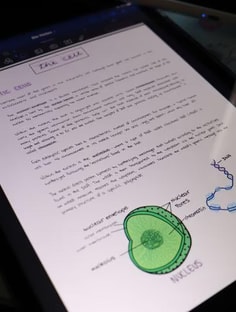
A student from Moreno Valley College reviewed the cell membrane structure, focusing on the phospholipid bilayer, membrane fluidity, and the role of cholesterol and carbohydrates. The learner also discussed how enzymes affect reaction rates by lowering activation energy. This lesson included watching video clips to reinforce understanding of these concepts, and the plan is to continue discussing enzymes in the next lesson.
Cell Membrane Function
Homeostasis
Membrane Fluidity
Oligosaccharides
Enzymes
Phospholipids
Biology help for all types of needs in Riverside


Explore top biology tutors nearby Riverside
One-on-one help with biology assignments and tests prep


Biology in Riverside the City’s Scientific Powerhouse

Riverside's Biology Legacy and Impact
Biology in Riverside began with the establishment of the UC Citrus Experiment Station in 1907, which laid the foundation for what would become UC Riverside. Today, the biological ecosystem in Riverside generates tremendous scientific and economic value.
Key Facts About Riverside's Biology Significance:
- UC Riverside's Entomology Department ranks 2nd globally
- The Entomology Research Museum houses 4 million insect specimens
- UCR biology programs generate $2.3-2.7 billion in annual economic impact
- The Western Riverside County Habitat Conservation Plan protects 146 native species
- UCR awarded 639 bachelor's degrees in biological sciences in 2021-2022
Biology Education Ecosystem
The biology education infrastructure in Riverside spans from K-12 to doctoral programs, creating a comprehensive pipeline for future biologists. UC Riverside forms the cornerstone of this system with its five biology-related departments and specialised research centres.
California Baptist University boasts a 90% medical school acceptance rate for biology students, while the community college system provides critical transfer pathways in biological sciences. K-12 biology programs reach thousands of students annually through outreach initiatives like the UCR Botanic Gardens tours.
Biological Research Excellence
Biology research in Riverside extends from fundamental science to practical applications. The city's agricultural biology legacy continues with the UC Riverside Citrus Variety Collection, maintaining 1,100 cultivars across 4,500 trees.
Recent biology breakthroughs include discovering the first effective treatment for citrus greening disease using antimicrobial peptides from Australian finger limes, developing drought-resistant crops through brassinosteroid hormone engineering, and pioneering sustainable farming with nitrogen-fixing black-eyed peas.
Unique Biological Environments
The biology of Riverside's natural areas creates extraordinary research opportunities. The region's position at the intersection of desert, mountain, and coastal influences generates seven distinct plant communities within its boundaries, from riparian woodland at 860 feet to conifer forests above 3,000 feet.
The biology of conservation takes centre stage with the Western Riverside County Multiple Species Habitat Conservation Plan - the largest in the United States - covering 1.26 million acres and assembling a 500,000-acre reserve system currently over 80% complete.
Biology Career Opportunities
The biology job market in Riverside offers diverse opportunities across multiple sectors, biology-related salaries averaging $93,272 annually. The projected addition of 100,000 tech jobs by 2030, combined with UCR's $2.3-2.7 billion annual economic impact, positions Riverside as an emerging hub for biological sciences careers.
The Future of Biology in Riverside
Riverside demonstrates how biology can transform a regional agricultural centre into a global research hub while preserving unique ecosystems and driving economic development. The convergence of world-class research facilities, extraordinary biodiversity, innovative conservation programs, and a growing biotechnology industry creates a model for how mid-sized cities can leverage biological sciences for sustainable prosperity.
From the historic parent Washington navel orange tree to cutting-edge genomics laboratories, Riverside exemplifies biology's power to address both fundamental scientific questions and practical challenges facing humanity. As climate change and environmental pressures intensify, Riverside's integration of academic excellence, agricultural innovation, ecosystem conservation, and community engagement positions it as an increasingly vital centre for biological research and education in the 21st century.