
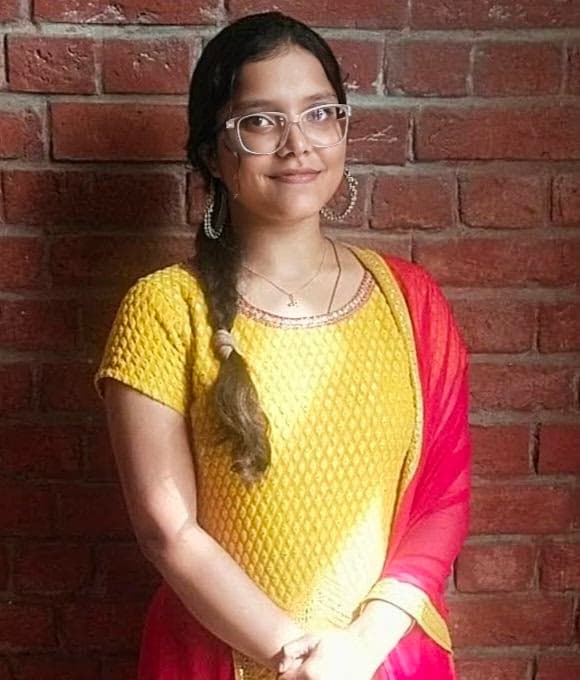
Samridhi Ojha
Expert biology tutor with experience in subjects of biology for personalized & conceptual learning. Adaptive teaching for diverse learners


Show all photos
Samridhi Ojha
Masters degree
/ 55 min
Your biology tutor - Samridhi
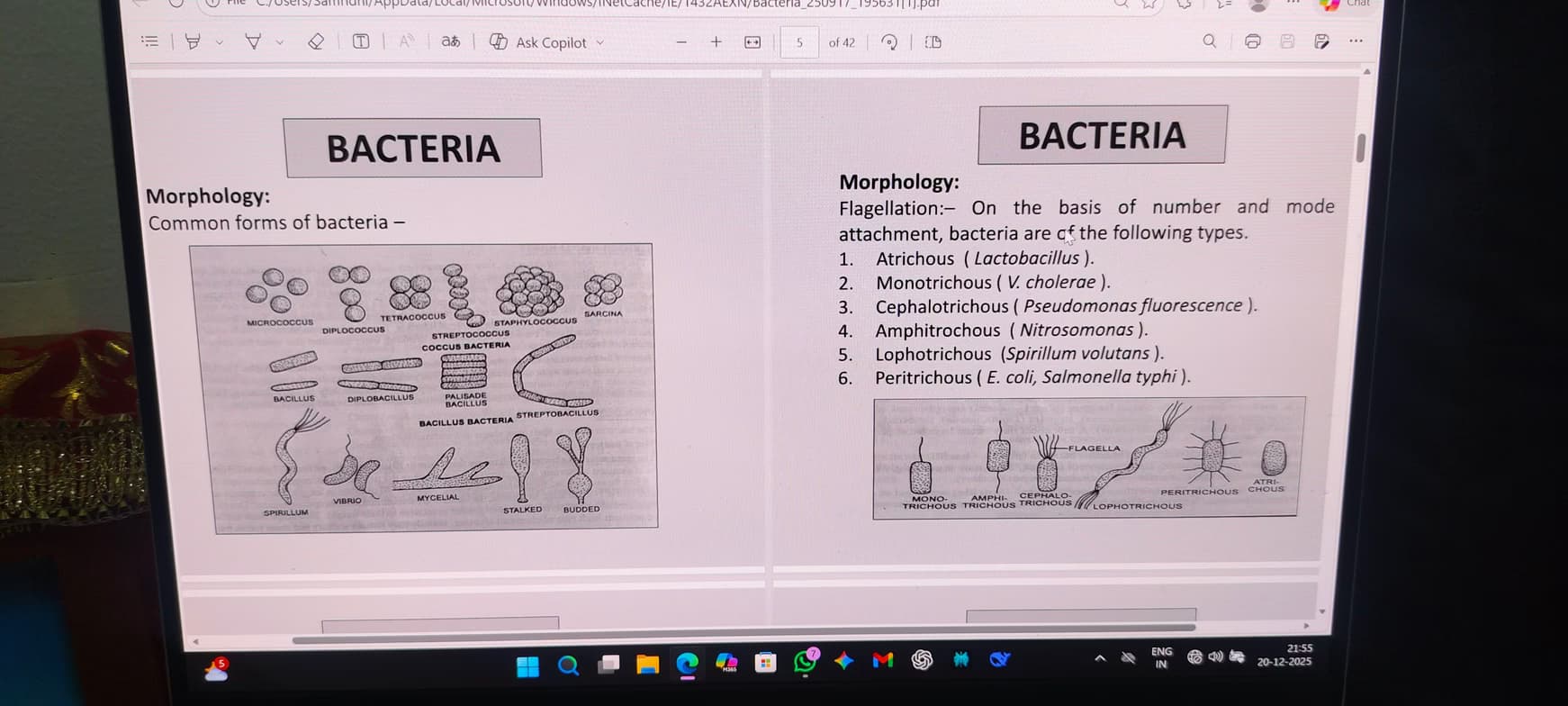
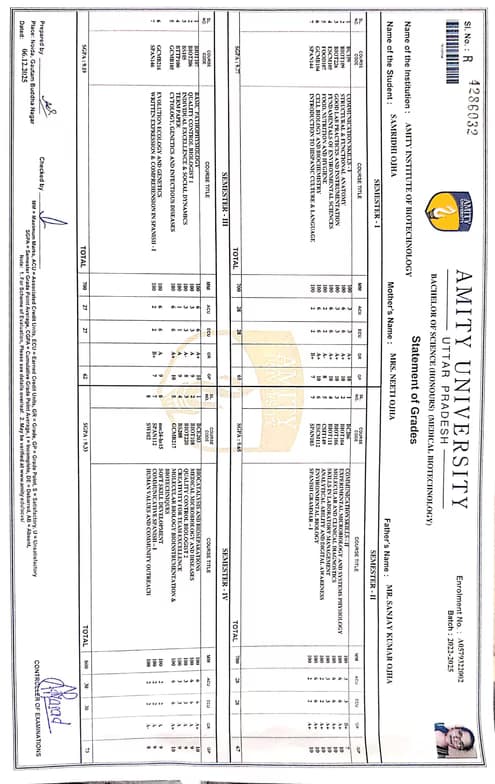
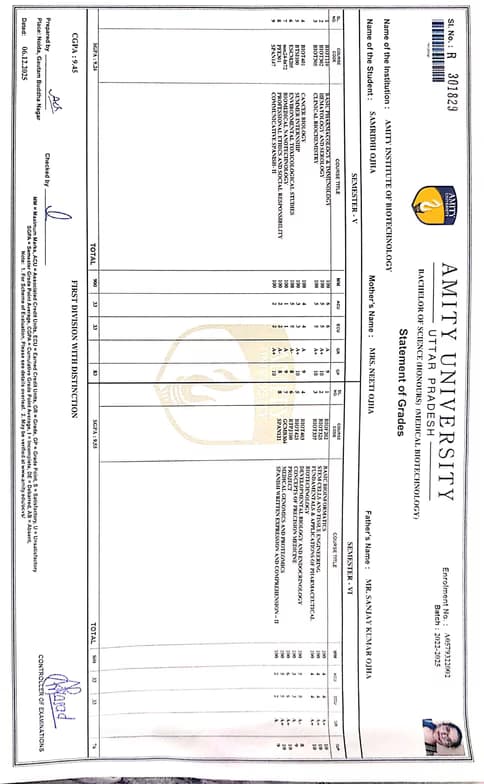
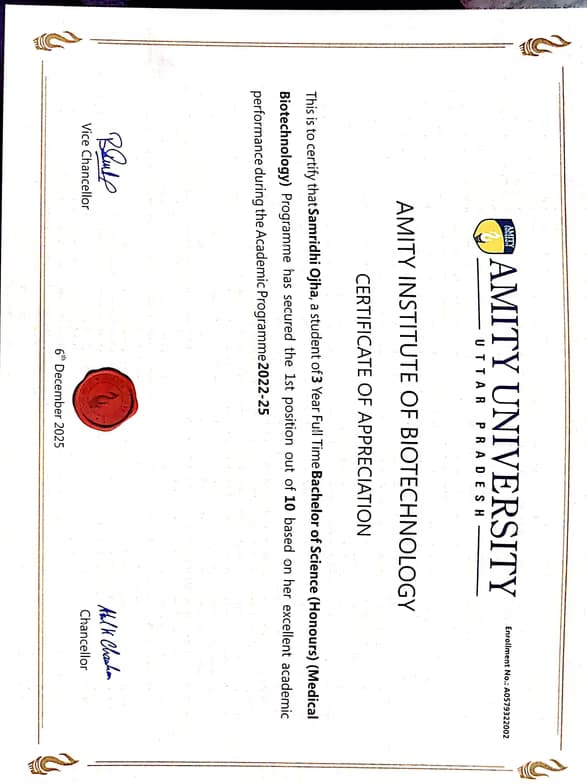
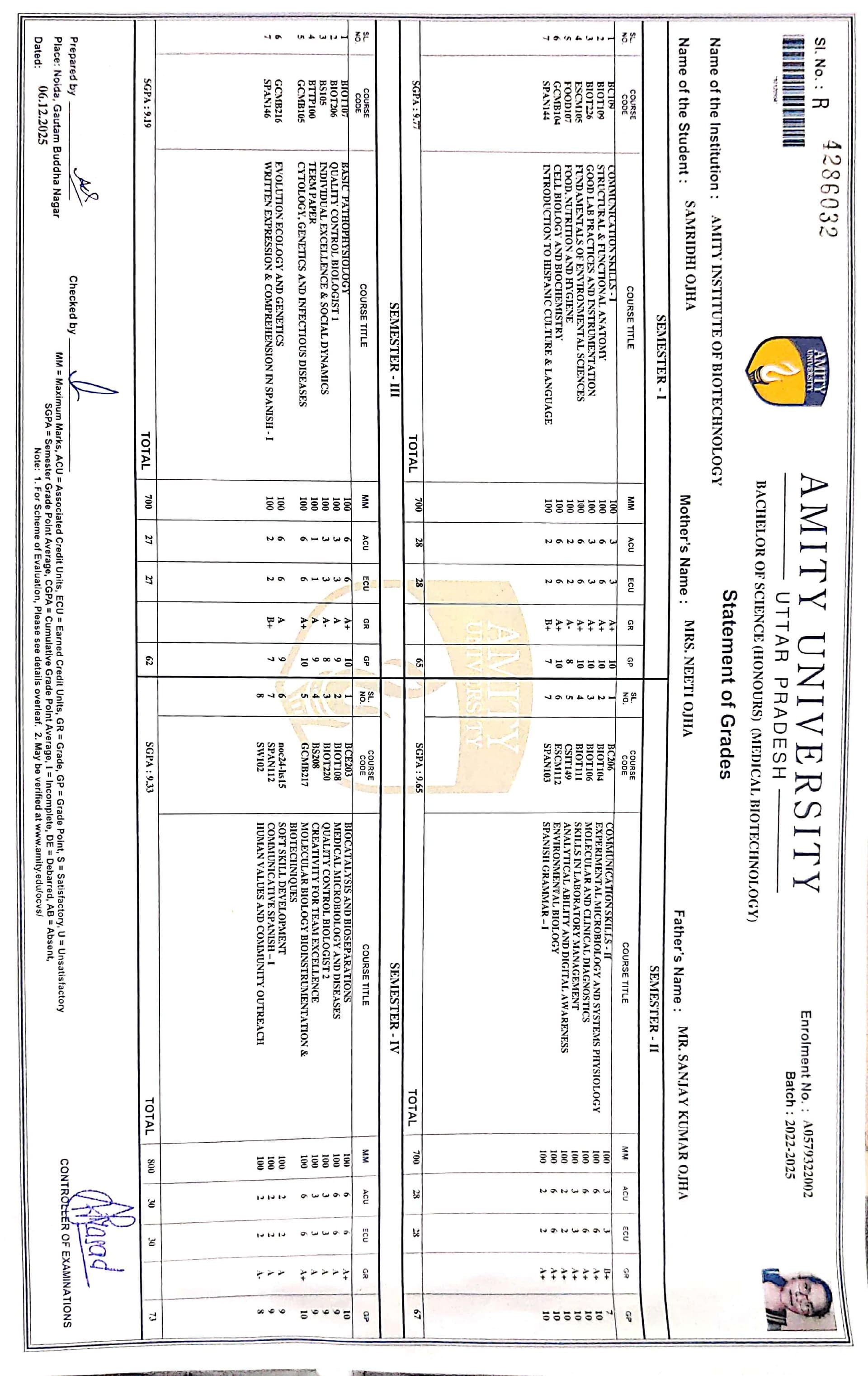
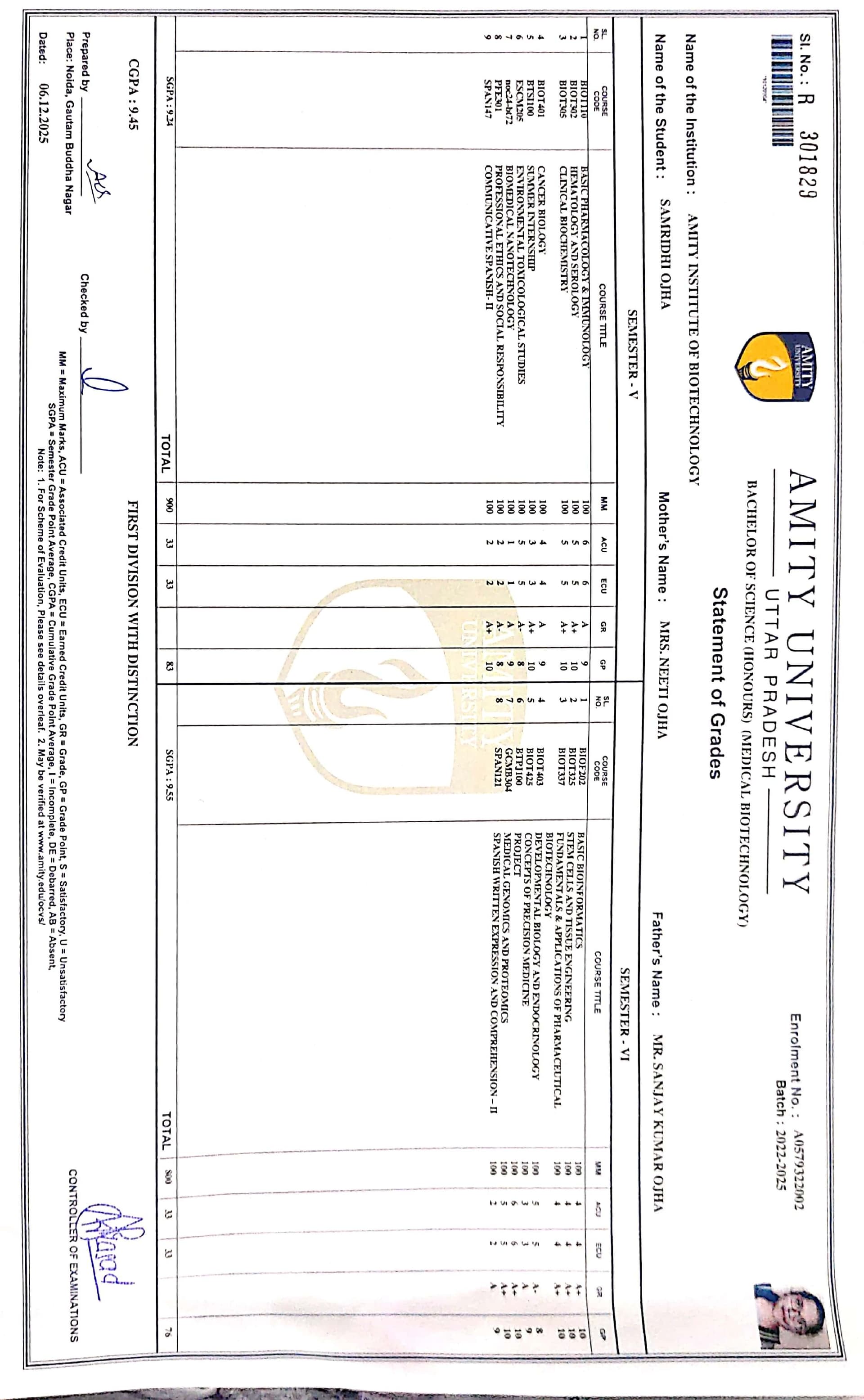
I am Samridhi Ojha, armed with a bachelor's degree in medical biotechnology and master's in food technology. Teaching has been a highly enriching experience that strengthened both my academic foundation and personal skills. I taught Biology as the core subject, covering topics such as Cell Biology, Microbiology, Genetics, and Human Physiology, along with General Science, Basic Chemistry, and foundational Mathematics. While teaching Cell Biology and Genetics, I focused on concepts like cell organelles, mitosis and meiosis, DNA structure, Mendelian inheritance, and genetic disorders using diagrams and step-by-step explanations. In Microbiology, I introduced microorganisms, infectious diseases, immunity, and hygiene practices, relating them to real-life applications. I emphasized conceptual clarity over rote learning, encouraged questions, and adapted teaching methods to suit different learning styles. This experience improved my communication skills, patience, and ability to simplify complex scientific concepts while fostering a positive and engaging learning environment. Come on then, what are you waiting for? join me on this journey and begin your academic succession
Meet Samridhi
Samridhi graduated from Defence institute of advanced technology
Academic expertise of your biology tutor

New Zealand Curriculum - NZC (NZ)

Provincial-specific curriculum (CA)

Australian Curriculum (AU)

Career guidance
Biology experiments

GCSE (UK)
Visual learning

State-Specific Standards (USA)

A-Levels (UK)

Homework help
Real world application

Next Generation Science Standards - NGSS (USA)
 CoTutor
AI modules
Summary
Podcast
Quiz
Learnings
Flashcard
Spotlight
Zero Risk Guaranteed
15-days refund
Free tutor swap
No cancel fee
1-yr validity
24/7 support
Types of students for biology class

Learning Disabilities

ASD

ADHD

High School students

Home schooled
College students
Middle School students
Elementary School students

Anxiety or Stress Disorders
Biology class overview
I aim for making learning not only fun but also engaging. My teaching methodology is student-centered and concept-oriented, focusing on clarity, engagement, and adaptability. I begin each topic by assessing students’ prior knowledge and then introduce concepts using simple language, real-life examples, and visual aids such as diagrams and flowcharts, especially for subjects like Biology and Genetics. I follow a step-by-step approach for complex processes and encourage active participation through questioning and discussion. To address diverse learning styles, I combine visual, auditory, and practice-based methods. Regular assessments, doubt-clearing sessions, and constructive feedback help reinforce learning and track progress. I emphasize understanding over memorization, creating a supportive environment where students feel confident to ask questions and think critically.
Your biology tutor also teaches
Biology
Botany
Cell biology
Genetics
Microbiology
Zoology

Biology concepts taught by Samridhi
The tutor and student reviewed acid-base theories, focusing on Bronsted-Lowry definitions of conjugate acid-base pairs and factors determining acid strength, such as organic vs. inorganic nature and dissociation. They also covered methods for calculating oxidation states and balancing redox reactions using the half-reaction method. The student plans to ask their teacher for a specific document for future sessions.
Acid Strength: Dissociation and Nature
Redox Reaction Balancing (Ion-Electron Method)
Calculating Oxidation States
Brønsted-Lowry Acid-Base Theory and Conjugate Pairs
Arrhenius Acid-Base Theory
The student and tutor reviewed the mole concept and various concentration calculations, including molarity, molality, and percentages (mass/mass, mass/volume, volume/volume). They practiced solving problems related to solution preparation and conversion between mass, moles, and particles, with a focus on applying these concepts to chemistry coursework.
The Mole Concept
Calculating Moles from Mass
Concentration: Mass/Volume Percentage
Concentration: Mass/Mass Percentage
Converting Word Problems to Equations
The student and tutor worked on refining the discussion section of the student's research paper by comparing their methodology to relevant literature and identifying areas for improvement. They discussed presentation of experimental limitations and the strategic use of AI tools in academic writing. The next session was scheduled to continue this work.
Critiquing Research Methods
Gene Therapy in Osteoarthritis
PCR vs. qPCR: Distinguishing Techniques
Handling Experimental Setbacks and Errors
Literature Review and Synthesis for Discussion Sections
The student and tutor worked through a series of chemistry problems covering topics such as acid-base equilibria, titration curves, thermodynamic calculations, and reaction kinetics. They practiced calculating equilibrium constants and pH, and the student applied concepts of Le Chatelier's principle. The session concluded with planning for future lessons based on shared worksheets.
Dissociation and Ionization Constants (Ka)
Calculating Equilibrium Constants (Kc and Kp)
Acid-Base Definitions: Brønsted-Lowry vs. Lewis
Gibbs Free Energy and Spontaneity
Indicator Selection for Titration
The Student and Tutor reviewed molecular polarity, focusing on the role and effect of lone pairs in determining molecular geometry and dipole moments using vector addition principles. They also covered predicting ion charges and chemical formulas, understanding exceptions for transition metals, and handling polyatomic ions in compound formation. The next session will focus on redox reactions.
Molecular Polarity and Dipole Moments
Predicting Ionic Compound Formulas
Oxidation States and Transition Metals
Polyatomic Ions and Naming Conventions
The Tutor and Student reviewed several core biology concepts, including operons (lac and tryptophan), gel electrophoresis, feedback mechanisms, signal transduction, cell cycle checkpoints, chemiosmosis, phylogenetic trees, experimental variables, water potential, and transport mechanisms. They practiced identifying these concepts and their applications, with the Student asking clarifying questions to ensure understanding.
Cell Cycle Checkpoints: Ensuring Genomic Integrity
Chemiosmosis: ATP Synthesis
Cladograms and Phylogenetic Trees: Visualizing Evolution
Operons: Gene Regulation in Prokaryotes
Feedback Mechanisms: Maintaining Homeostasis
Signal Transduction: Cell Communication
Gel Electrophoresis: Separating Biomolecules
Teaching tools used by biology tutor

Quizzes

Digital whiteboard

Flashcards
Video conferencing

Practice worksheets
Digital Note taking
Hands-on biology lessons

Chat for quick help

Note taking

Open Q&A

Parent feedback

Weekend lessons

Biology tutors on Wiingy are vetted for quality
Every tutor is interviewed and selected for subject expertise and teaching skill.
