French tutor near me in Australia
Expert French tutors offering conversational lessons, DELF and TCF preparation for all levels across Australia.
Filters
Level
French Skills
Specialities
Test
Price
Special Needs
Education
Tools Used
Level
French Skills
French
Reading
Speaking
Writing
Conversational French
Business French
Show more
Specialities
Homework help
Test prep strategies
Career guidance
Conversational French
French culture immersion
French pronunciation
Show more
Test
Show more
Price
Special Needs
ADHD
ASD
Learning Disabilities
Show more
Education
Tools Used
Dictation tools
Grammar practice
Writing prompts
Show more

null
Thierno taught 20 days ago
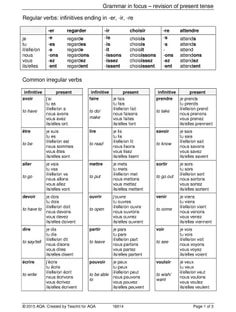
The Student and Tutor reviewed the conjugation of the French verbs "être" (to be) and "avoir" (to have). They practiced forming sentences and explored five key exceptions where "avoir" is used in French instead of "être," commonly seen with age, hunger, thirst, heat, and cold. The homework assigned is to memorize these verbs and exceptions.
French Verb Conjugation: Être (to be)
French Verb Conjugation: Avoir (to have)
French Exceptions: Using 'Avoir' for States of Being
French Pronunciation and Liaison
Karine taught about 1 month ago
The tutor and student engaged in a French language lesson focused on vocabulary related to life stages and the French education system. They practiced matching verbs to life events and learned about different school levels, grading, and disciplinary measures, with plans to continue these topics next week.
Life Stages & Verbs
Expressing Dates and Years
French School System Stages
Grading and School Conduct
Laly taught about 1 month ago
The student and tutor focused on French time-telling, including expressing hours, minutes, and using subtraction for time. They also reviewed days of the week, months of the year, and common greetings and date-related phrases, with plans to continue practicing grammar and vocabulary in the next session.
Telling Time in French
Months and Days of the Year
Asking and Stating the Date
Moments of the Day and Greetings
Laurence taught 2 months ago
The Student and Tutor reviewed and practiced French vocabulary related to medical terms, symptoms, and geographical features. They also touched upon basic French grammar, focusing on infinitives, and discussed various modes of transportation. The session aimed to expand the student's practical French lexicon.
Pulmonary Terminology
Medical Device & Procedure Vocabulary
Geographical & Descriptive Terms
Action and State Verbs
Laurence taught 2 months ago
The Tutor and Student reviewed French vocabulary related to travel, geography, and descriptive language. The Student practiced using new words and phrases to describe locations and past experiences, and the Tutor introduced terms for amenities and transportation.
Vocabulary Expansion: Australian Context
Cultural Insights: Aboriginal Significance
Modern Amenities vs. Rural Life
Everyday Objects and Actions
Laurence taught 2 months ago
The Student and Tutor reviewed and practiced French vocabulary related to travel, health, and descriptive terms. They worked on correct sentence construction, verb conjugation, and pronunciation, with a focus on building a broader vocabulary base. The session concluded with further vocabulary practice and reinforcement.
Vocabulary Expansion Techniques
French Verb Conjugation: Reflexive Verbs
Word Formation: Size & Degree
Pronunciation Nuances: 'R' Sound
Learn French across Australia - DELF, TCF, conversational fluency


Why Learning French in Australia Is Becoming More Popular with Local Learners

Across Australia, interest in learning French has been growing steadily. Walk into a café in Melbourne, a bookshop in Sydney, or a university campus in Brisbane, and it’s easy to overhear conversations about travel plans, career goals, or study paths that require strong French skills. French has become more than a school subject; it’s now a practical tool that helps learners connect with new cultures, improve job opportunities, and build confidence in communication.
French tutoring has become an essential part of this journey for many students, adults, and families. While schools and apps provide a starting point, a French tutor offers something that is hard to get elsewhere, guidance that fits where a learner is today and where they want to go next.
A Growing Need for Personalised French Learning
Many learners in Australia begin looking for French help for very specific reasons. Some are school students preparing for NAPLAN, HSC, or VCE assessments and want support with grammar, writing, or oral practice. Others are university students studying international relations, business, or arts degrees and need extra help to keep up with coursework. Then there are adults who simply want to feel confident ordering a meal in Paris or speaking with a French-speaking partner’s family.
Across all these situations, there is one common feeling, french becomes easier when someone experienced sits beside you, slows things down, and explains it in a way that finally makes sense. That’s where a French tutor becomes important. Instead of generic lessons, tutoring focuses on the learner’s needs: pronunciation, sentence structure, listening practice, exam preparation, or improving everyday conversation.
Why Many Australians Prefer Tutors Over Apps or Self-Study
Learning French alone can feel overwhelming. The grammar has rules that don’t always translate neatly into English, pronunciation takes practice, and real progress requires consistent speaking. Many learners also feel stuck between beginner-friendly resources and the higher-level French they eventually want to reach.
A French tutor bridges this gap. With structured lessons and regular feedback, learners build confidence step by step. Many students share that even a few weeks of tutoring helps them understand topics they struggled with for months. Adults working full-time often appreciate having someone keep them on track when motivation slips. Families say tutoring helps children stay ahead in school and reduces stress at home.
French for Travel, Work, and Everyday Life in Australia
Australia has a strong connection with French culture, from food and tourism to global industries. For travellers, speaking basic French makes visits to France, Canada, Switzerland, and African francophone countries smoother and more enjoyable. For young professionals, the language is useful in hospitality, aviation, diplomacy, tourism, international business, and arts. Even for those not planning international work, learning French builds communication skills that transfer to many other areas of life.
Tutors often introduce learners to real-life scenarios—booking a hotel, meeting new people, giving directions, or understanding French signs and menus. This practical approach makes learners feel prepared long before they step onto a plane or into a French-speaking environment.
Why French Tutoring Works
Many Australians look for French tutor because they want something personalised, structured, and reliable. A tutor helps learners:
- Build strong foundations in grammar and vocabulary
- Improve pronunciation through live conversation practice
- Prepare for school and university assessments
- Learn real-life conversational French, not just textbook phrases
- Stay consistent with a clear learning plan
- Understand cultural context behind the language
For students, adults, and families across Australia, French tutoring is not just academic, it’s an investment in confidence, communication, and long-term opportunities.
A Simple Step Toward Speaking French with Confidence
French may feel challenging at first, but with the right guidance, learners in Australia discover that it becomes enjoyable, practical, and surprisingly natural. Whether someone is aiming for better school results, preparing for travel, or wanting to expand their career, learning French with a dedicated tutor helps turn long-term goals into everyday progress.