

Top-rated Web Development tutor
Web development is a clear path into tech, and an online web development tutor helps you learn the full stack. Lessons cover HTML, CSS, JavaScript, and the back end, building real sites you can show off. With US startups and big tech companies always hiring, web skills open real, lasting doors. You build your own real projects over a shared screen, watching each one come to life.
Free Trial
15-days refund
Free tutor swap
No cancel fee
Summary
Podcast

Web development taught in live USA sessions
Development sessions in Philadelphia, Austin, Fort Worth
Ishita taught 23 days ago
The Student and Tutor worked on website development, specifically troubleshooting a visual element (shape divider) and then adding content sections using icon boxes. They planned to make the website live in a future session to allow the Tutor remote access for easier edits.
WordPress Elementor: Container and Flexbox Layouts
Elementor Widgets: Icon Box and Grid Portfolios
Elementor Styling: Borders
Padding
and Margin
Elementor Page Structure and Hierarchy
Ishita taught 24 days ago
The Student and Tutor worked on building and styling a WordPress website using Elementor. They focused on adding and customizing content for the 'Our Manifesto' and 'Aims and Objectives' pages, including headings, paragraphs, background gradients, shape dividers, and dividers. They also troubleshooted an issue with the shape divider not appearing on the live site and planned for the Tutor to gain access to resolve it in a future session.
Elementor Container Widget
Shape Dividers in Elementor
Gradient Backgrounds
Typography and Text Styling
Divider Element
Ashish taught about 1 month ago
Student and Tutor collaborated on making extensive edits to a website's content and structure. They focused on updating headers, revising taglines, and significantly shortening the overall site by removing or hiding repetitive sections. The session also involved detailing new text for 'Our Approach' and 'The Science' sections, with the Student planning to finalize the remaining content outside the session.
Strategic Website Content Refinement
Showcasing Professional Expertise
Defining the 'Our Approach' Methodology
Simplifying 'The Science' for Accessibility
Enhancing Website Aesthetics and User Flow
Ashish taught 2 months ago
The Student and Tutor worked on integrating an email subscription form into a WordPress website, troubleshooting its display and styling within the existing page structure. They discussed the current website's design limitations and explored the potential for a full website refresh using modern web development technologies to achieve advanced functionalities and aesthetics. Future sessions will focus on planning and implementing this website redesign.
WordPress Newsletter Integration (Kit/ConvertKit)
WordPress Page Editing & Layout (Classic vs. Block Editor)
Customizing Contact Form 7 in WordPress
Impact of WordPress Themes on Website Appearance
Modern Web Development vs. WordPress for Dynamic Sites
Yeriko taught 2 months ago
The student and tutor worked on various website development tasks, including image optimization, affiliate link integration, and content/styling adjustments on a WordPress site. They planned follow-up sessions to continue these improvements and discuss the potential implementation of a chatbot feature.
Affiliate Disclosure Banners
Website Image Optimization
Responsive Design and Alignment
Website Content Renaming and Hyperlinking
User Interface Elements: Pop-ups and Zoom Features
AI Chatbot Development Stages
Ishita taught 3 months ago
The student and tutor worked on debugging and implementing features for a React Native application, focusing on calendar integration, dynamic data handling, and API calls for cohort and assignment management. They addressed specific coding issues, refined data processing logic, and prepared for testing by logging in with different user roles. The next session is planned for Sunday to continue debugging and testing.
Calendar Component Implementation
React Native Test ID and Accessibility
Date and Time Manipulation in JavaScript
API Integration and Data Handling
Cohort and Century Logic
Tutoring for front-end and web development



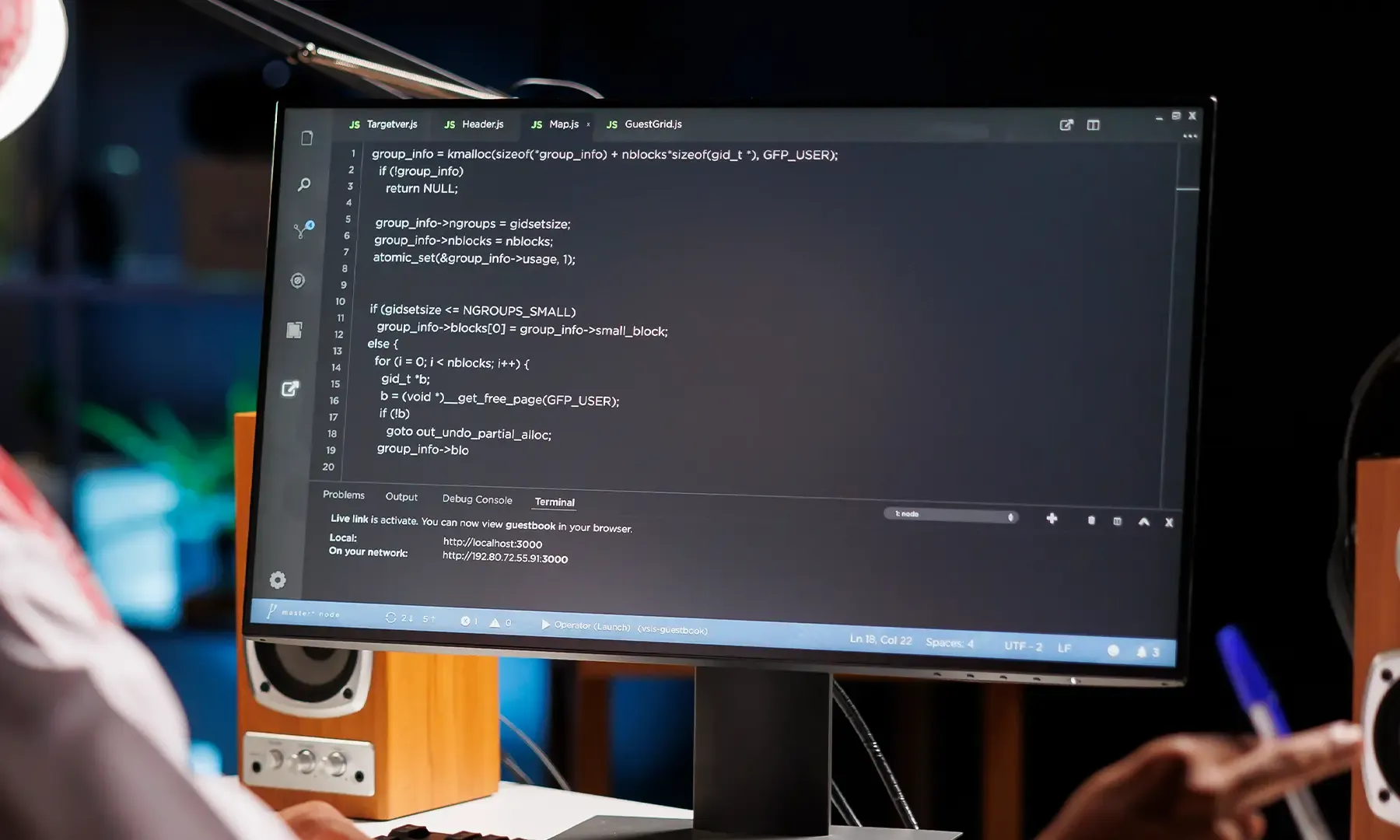

Beginner’s guide to web development

How to learn web development?
Web development involves building and maintaining websites using programming languages, frameworks, and design principles. It is a valuable skill for careers in software engineering, UI/UX design, and digital marketing. The U.S. Bureau of Labor Statistics predicts a 16% job growth in web development by 2032, highlighting its demand.
Many learners struggle with understanding front-end vs. back-end development, debugging errors, and structuring projects efficiently. Concepts like responsive design, JavaScript frameworks, and database management can be overwhelming without hands-on practice.
Additionally, choosing the right technologies, such as HTML, CSS, JavaScript, React, Node.js, and SQL, can be confusing for beginners.
To learn web development effectively, students should start with online courses (Codecademy, Udemy, freeCodeCamp), interactive coding platforms (LeetCode, Scrimba), and project-based learning.
Building real-world projects, contributing to open-source, and using GitHub enhance practical skills. Study groups, developer communities (Reddit, Stack Overflow), and web development tutoring provide additional support.
A combination of theory, hands-on coding, and collaborative learning ensures a solid foundation in web development.

Who should study from a web development tutor?
Students struggling with coding concepts and debugging
Many beginners find HTML, CSS, and JavaScript challenging, especially when debugging errors in their code. Syntax errors, missing tags, or incorrect logic can cause frustration.
A web development tutor can provide real-time debugging support, explain error messages clearly, and guide students through problem-solving techniques.
Students who need help with full-stack development
Understanding both front-end (React, Vue) and back-end (Node.js, Express, SQL, MongoDB) technologies can be overwhelming.
A web development tutor can help students structure their learning path, teach API integration, and provide guidance on building full-stack applications. With personalized instruction, students can make their web applications more dynamic and functional.
Students struggling with project structuring and deployment
Building a website involves more than just coding—it requires version control (Git/GitHub), deployment (Netlify, Vercel), and performance optimization.
A web development tutor can help students organize code efficiently, deploy projects successfully, and follow industry best practices. Learning how to manage projects effectively ensures students can create scalable and well-structured websites.

What to look for in a web development tutor?
Qualifications and experience
Look for a tutor with experience in web development, software engineering, or UI/UX design. A strong background in HTML, CSS, JavaScript, front-end frameworks (React, Angular), and back-end technologies (Node.js, SQL, Firebase) ensures well-rounded instruction.
Student reviews and teaching methods
Choose a tutor with positive feedback from past students, focusing on their ability to explain complex coding topics, improve debugging skills, and help with hands-on projects.
Tutors who emphasize project-based learning and real-world applications are highly effective.
Affordability and scheduling flexibility
Web development tutoring rates vary from $40 to $100 per hour, depending on expertise.
Wiingy offers expert web development tutors for just $28 per session, making high-quality instruction affordable. Look for tutors who provide flexible scheduling and customized lesson plans to meet your learning goals.
By selecting an experienced web development tutor, students can develop coding skills, build real-world projects, and succeed in web development.
Frequently asked questions
How much time does it take to master web development?
What are the best resources to learn web development?
What are the best ways to gain practical knowledge of web development?
How can I get a basic overview of web development before my college course starts?
How can I complete my web development assignments before the deadline?
How can a web development tutor help me build projects on practical issues?
How can a web development tutor help me in assignments and projects completion?
How can I find an affordable tutor for web development to help me with exam prep?


