Online Spanish tutor for beginners
Start speaking Spanish with confidence from scratch
Filters
Level
Spanish Skills
Specialities
Test
Price
Education
Tools Used
Special Needs
Level
Spanish Skills
Spanish
Listening
Reading
Speaking
Writing
Conversational Spanish
Show more
Specialities
Homework help
Test prep strategies
Career guidance
Cultural immersion
Spanish language skill
Vocabulary Building
Show more
Test
Price
Education
Tools Used
Dictation tools
Grammar practice
Writing prompts
Show more
Special Needs
ADHD
ASD
Learning Disabilities
Show more

Recent Spanish lessons for absolute beginners
Proven methods from online Spanish tutors for beginners
Pegah taught 5 months ago
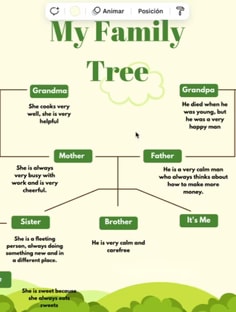
The Student and Tutor reviewed Spanish vocabulary related to family, relationships, and marital status. The Student practiced introducing family members using gender-specific pronouns and worked on identifying family relationships within a family tree. The Student was assigned homework to create their own family tree and write sentences about their family members.
Introducing People: *Este/Esta/Estos/Estas*
Marital Status: *Estar* vs. *Ser*
Gender Agreement in Plural Forms
Family Vocabulary
Muskaan taught over 56 years ago
The student and tutor covered Spanish vocabulary related to numbers, food, and body parts. They practiced listening comprehension through dialogues and engaged in conversational exercises and songs to reinforce learning.
Spanish Numbers (0-100)
Basic Spanish Vocabulary: Food and Common Phrases
Spanish Body Parts
Listening Comprehension Exercise
Maria taught over 56 years ago
The student and tutor discussed travel concerns due to geopolitical events before transitioning to a Spanish language lesson. They reviewed vocabulary for introductions, formal vs. informal address, and the crucial distinction between the Spanish verbs 'ser' and 'estar', using acronyms like 'DOCTOR' to aid memorization. The tutor also provided an overview of formal address and verb conjugations, with plans to delve deeper in future sessions.
Ser vs. Estar: The Two 'To Be' Verbs
Geographical and Personal Descriptions
Expressions of Courtesy
Formal vs. Informal 'You' (Tú vs. Usted)
Muskaan taught over 56 years ago
The Student and Tutor reviewed Spanish verb conjugations, focusing on 'ser' and 'estar' and their distinct uses for permanent and temporary states. They practiced vocabulary related to everyday actions and possessions, and engaged in exercises involving colors and idiomatic expressions using 'tener'.
Spanish Verb Conjugation: -ar
-er
-ir Endings
Ser vs. Estar: Two Ways to 'To Be'
Spanish Colors and Descriptions
Expressing Obligations: Tener que + Infinitive
Expressions of Physical Sensations: Tener + Noun
Spanish tutoring online for every learning style
Get faster results with the right online tutor


Check your Spanish speaking level
REC
Get your progress report instantly
Learning Spanish Online for Beginners Made Easy

Learning a new language can feel overwhelming at first, especially for beginners. Spanish is one of the most widely spoken languages, and starting with online spanish classes for beginners gives learners the flexibility to practice at their own pace. With the right approach, even small steps every day can build strong confidence.
Why Beginners Choose Spanish tutor Online
Online learning helps beginners in many ways. There is no need to travel, and lessons can be scheduled around work or school. For many students, a Spanish tutor online also brings structure to practice that apps alone cannot provide. Beginners often struggle with too many resources, unclear grammar rules, and fear of speaking. A simple, guided plan makes the process less confusing and more enjoyable.
Step-by-Step Plan to Learn Spanish from Online tutor
Step 1: Set a small weekly goal
Beginners often feel lost because the target is too big. Instead of saying “learn Spanish fast,” start with a goal like learning five greetings in one week. Online Spanish classes make it easy to track these small wins.
Step 2: Learn sounds and greetings first
Spanish pronunciation is different from English. Words like “hola” or “gracias” may look easy but sound different when spoken. Beginners should listen and repeat daily for 10 minutes. This builds confidence before moving into grammar.
Step 3: Build core vocabulary
Start with 15 common words each day, numbers, days, colors, or family names. Searching for a Spanish tutor online can help here, since a tutor explains how to use these words naturally in conversation. Vocabulary is the base for forming short sentences later.
Step 4: Practice short conversations
Saying “¿Cómo estás?” (How are you?) or “Me llamo…” (My name is…) can be done from day one. Beginners often avoid speaking for fear of mistakes, but online Spanish classes provide a safe space to practice without judgment.
Step 5: Find and schedule regular tutor sessions
Self-study works better when combined with guidance. The easiest way to do this is to look for a Spanish tutor online who matches your schedule and level. A tutor can correct mistakes quickly and keep motivation high. Even one or two sessions a week create steady progress.
Step 6: Use short daily listening exercises
Listen to children’s songs, beginner podcasts, or simple Spanish videos. Start with five minutes daily. Beginners who hear the language often find it easier to remember new words.
Step 7: Review and track progress
At the end of each week, review old lessons. Beginners sometimes forget earlier words because they focus only on new topics. A review chart, flashcards, or tutor feedback helps keep learning balanced.
Common Beginner Struggles and Simple Fixes
- Too many apps at once: Choose one course or online class to avoid confusion.
- Grammar overload: Begin with present tense and simple sentences. Advanced rules can wait.
- Fear of speaking: Start with greetings and practice with a Spanish tutor online who gives patient feedback.
- Lack of consistency: Study 15–20 minutes daily instead of one long session each week.