Math tutor near me in San Angelo, TX
Experienced tutors in San Angelo make math accessible for all skill levels. Get comprehensive support for algebra, trigonometry, and precalculus, along with dedicated preparation for GED, SAT, and ACT assessments.
Filters
Level
Topics
Specialities
Price
Education
Tools Used
Special Needs
Curriculum
Level
Topics
Algebra
Algebra 2
Arithmetic
Calculus
Calculus 2
Calculus 3
Show more
Specialities
Homework help
Test prep strategies
Practice Drills
Test Strategy
Problem Solving
Exam Simulation
Show more
Price
Education
Tools Used
Digital whiteboard
Quizzes
Presentations
Show more
Special Needs
ADHD
ASD
Learning Disabilities
Show more
Curriculum
International Baccalaureate
Common Core State Standards
State-Specific Standards
Show more
Math tutors in San Angelo improving grades, exam performance


Math lessons nearby San Angelo
Local math allies focused on understanding


Math tutors in San Angelo helping students grow through clear step by step learning

Math progress in San Angelo often begins with structure. Tutors guide students to follow steady, repeatable steps that build confidence and clarity over time. By focusing on manageable routines, students learn how to think through challenges rather than rush toward answers.
Step 1: Identify strengths and gaps
Tutors guide students from Central High School to review recent assignments and pinpoint which topics cause hesitation. Learners reflect on areas like linear equations, graph interpretation, or early geometry skills. With support from academic tools used at Angelo State University, students learn to evaluate their own progress and understand which foundational ideas need reinforcement.
Step 2: Rebuild essential fundamentals
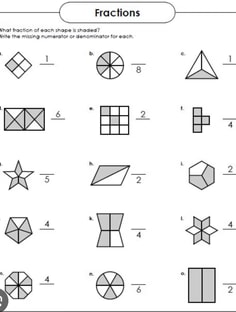
Many students discover gaps in arithmetic, fractions, or basic algebra that affect more advanced work. Tutors help learners from Glenn Middle School revisit these fundamentals in short, focused cycles. Practice materials accessed through the Stephens Central Library give students a calm environment for strengthening early concepts. Rebuilding fundamentals ensures they approach new chapters with confidence rather than uncertainty.
Step 3: Break complex problems into smaller parts
Students often feel overwhelmed when facing lengthy algebraic expressions or multistep calculus questions. Tutors teach learners from Lake View High School how to break long problems into manageable segments. They rewrite the problem, separate operations, and check each stage carefully. These strategies mirror approaches used in advanced math courses at Howard College San Angelo, showing students how organized reasoning leads to clearer solutions.
Step 4: Practice steady routines instead of last minute review
Many learners rely on short bursts of studying, which leads to stress and weak retention. Tutors encourage students from Lincoln Middle School to create weekly study plans that divide topics into small review sessions. Consistent practice improves long term understanding and reduces anxiety around exams. Quiet study spaces at the Angelo West Branch Library support this steady approach.
Step 5: Build confidence through guided examples
Tutors use carefully selected examples to help students recognize patterns across topics like systems of equations, introductory calculus limits, and data analysis. Students from San Angelo TLCA learn how to examine each step, explain it in their own words, and then apply the same logic independently. Applying examples in this structured way boosts confidence and prepares them for more advanced coursework.
Step 6: Strengthen reasoning instead of memorizing steps
Many learners believe they must memorize procedures for topics like geometry or statistics. Tutors help students from Fort Concho Elementary School understand why each step works. They explore relationships between angles, formulas, and probability ideas so students rely on reasoning rather than memorization. This shift supports stronger problem solving in all math levels.
Step 7: Prepare early for SAT, ACT, and college placement tests
High school students often ask how to approach exam sections effectively. Tutors guide learners from Central High School to complete mixed practice sets and review strategies for pacing, elimination, and interpretation of graphs. Insights from math preparation programs at Angelo State University teach students how to approach each type of question with clarity and confidence.
Step 8: Reflect on mistakes to grow stronger
Reflection is essential for long term improvement. Tutors show students how to analyze errors from homework or practice exams, rewrite corrected solutions, and identify patterns in their misunderstandings. This habit gives learners a clear sense of progress and prepares them for the challenges of AP math or college level courses.
These steps help students build strong, structured routines that improve understanding across every level of math. With step by step guidance, access to supportive academic resources, and consistent practice, learners discover that math becomes more manageable, more logical, and far more rewarding over time.