

Electronics Engineering tutor
Electronics engineering is about the circuits and chips inside everything we use, and an online electronics engineering tutor helps you through the hard parts. Lessons cover analog and digital circuits, signals, and the core classes of the degree. It can also support FE exam prep on the way to a PE license. You tackle real circuit problems over a shared screen, at whatever pace your classes set.
Free Trial
15-days refund
Free tutor swap
No cancel fee
Summary
Podcast

Electronics engineering covered by tutors in the USA
Circuit design and theory explained
medini taught 10 months ago
The session involved debugging line sensor and encoder code for a robot. The student worked on resolving errors in the encoder code and troubleshooting issues with sensor readings. The tutor provided guidance and code modifications to achieve functional sensor readings. The next step is to integrate the sensor code with the motor control code for robot movement, planned for the next session.
Identifying and Resolving Code Errors
Understanding Sensor Calibration
Hardware Connections and Pin Assignments
Library Integration and Troubleshooting
Analog vs. Digital Readings
medini taught 10 months ago
The Student and Tutor worked on debugging the Student's line-following robot code by adjusting sensor pin configurations and integrating the code with the robot's hardware. They tested and modified code related to line sensor readings, motor control, and calibration routines to improve the robot's performance. The tutor will rewrite the code and share it for testing in the next session, focusing on assessment file requirements.
Line Sensor Pin Configuration
Library Integration and Management
Calibration Process for Line Sensors
Debugging Strategy: Step-by-Step Approach
Motor Speed Configuration
medini taught 10 months ago
The Student and Tutor reviewed the architecture of the Pololu 3pi robot and practiced basic programming using Arduino IDE. The Student worked on modifying LED control, bump sensor testing, and line sensor testing codes to understand sensor-based interaction and robotic programming. The next session is planned to recheck the line follower board code and to review the lab sheet.
Arduino Libraries and Namespace
Digital I/O and LED Control
Bump Sensor Interfacing
IR Line Sensors and Analog Input
Conditional Logic with `if`
`else if`
and `else`
Serial Communication and Debugging
Electronics engineering taught by expert tutors



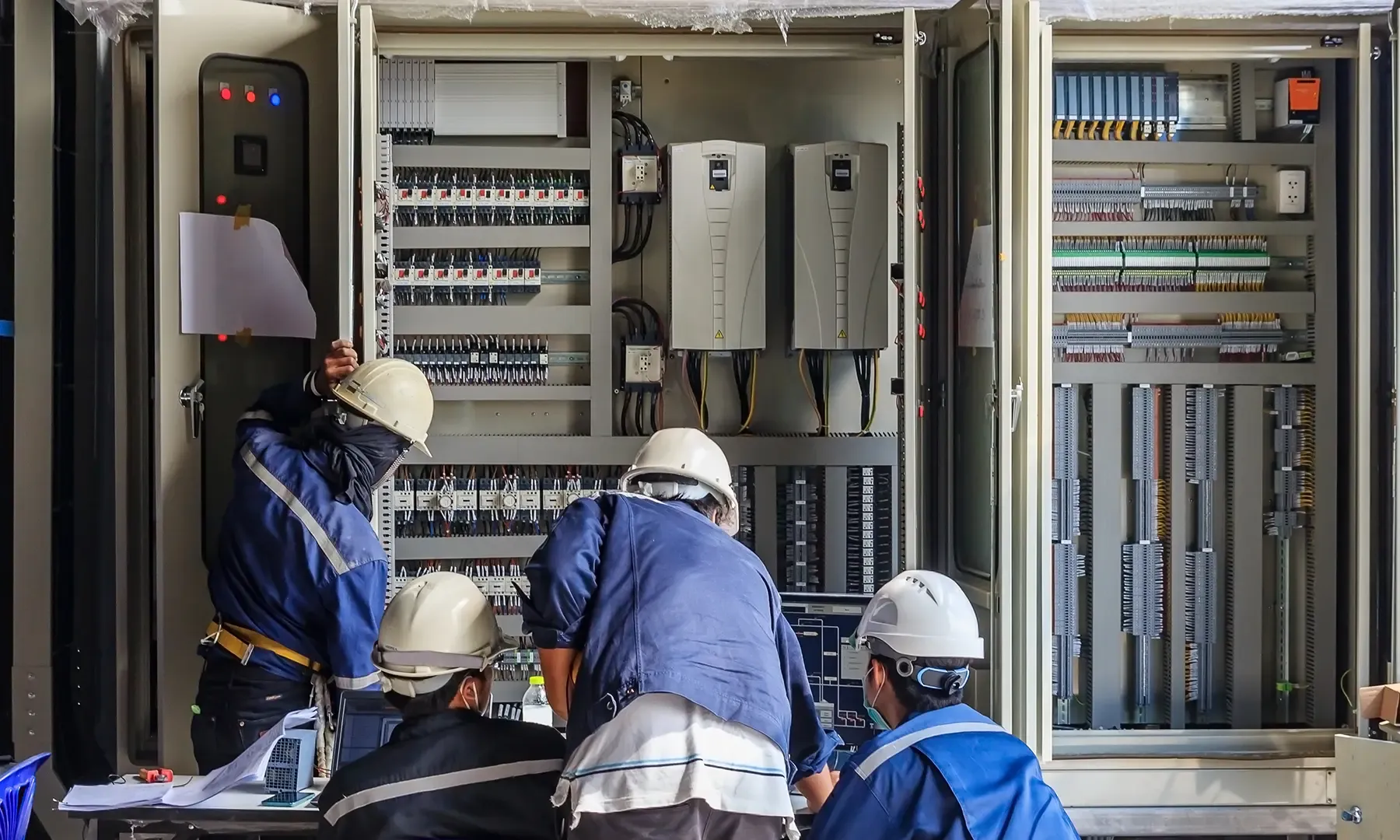

Everything you need to know about electronics engineering

All about electronics engineering
Electronics engineering is a rapidly evolving field that drives innovations in semiconductors, communication systems, embedded systems, and consumer electronics. It plays a crucial role in industries like robotics, automation, telecommunications, and the Internet of Things (IoT).
With an average salary of $90,000 per year in the U.S., it offers lucrative career opportunities.
Many students struggle with semiconductor physics, circuit debugging, and embedded systems programming. Advanced topics like VLSI design, signal processing, and control systems require a strong foundation in mathematics, differential equations, and programming.
To build expertise, students can take university courses, follow online resources (Coursera, MIT OpenCourseWare), and engage in hands-on projects. Practical learning through Arduino, Raspberry Pi, PCB design, and FPGA programming is essential to mastering key concepts. Structured study plans, combined with real-world problem-solving, help students develop a deep understanding of electronics engineering.
By overcoming challenges with structured coursework, lab work, and project-based learning, students can prepare for careers in chip design, automation, and IoT development.

Who should study from an electronics engineering tutor?
Students struggling with circuit design and analysis
Electronics engineering requires a strong foundation in analog and digital circuit design. Many students struggle with Ohm’s law, Kirchhoff’s laws, and transistor operations.
An electronics engineering tutor can break down these complex concepts using visual simulations, hands-on circuit-building exercises, and interactive problem-solving to improve understanding and confidence.
Students preparing for competitive exams
Standardized exams like FE Electrical and Computer, PE Electrical and Computer, and university-level assessments require deep knowledge of electronic devices, control systems, and signal processing.
An electronics engineering tutor provides structured revision plans, past paper discussions, and test-taking strategies to help students improve speed and accuracy.
Students struggling with embedded systems and programming
Many students face challenges in writing efficient code for microcontrollers, debugging firmware, and interfacing hardware with software.
An electronics engineering tutor with expertise in Arduino, Raspberry Pi, and FPGA programming can provide hands-on guidance, troubleshooting techniques, and project-based learning to strengthen embedded systems knowledge.

How to select the right electronics engineering tutor?
Qualifications & expertise
Choose a tutor with a degree in electronics engineering (B.S., M.S., or Ph.D.) and expertise in areas like VLSI design, power electronics, or IoT systems. A tutor with hands-on experience in chip design, PCB layout, or embedded systems can offer valuable industry insights.
Teaching experience and hands-on knowledge
A tutor with university-level teaching or industry experience can explain difficult concepts more effectively. Look for tutors with strong student reviews and a track record of helping learners improve.
Electronics engineering is a practical field, so a tutor with experience in MATLAB, PSPICE, Verilog, and PCB design can be highly beneficial. If you’re preparing for exams, find a tutor who provides step-by-step problem-solving techniques and structured study plans.
Affordability & review
Tutoring costs range from $30 to $100 per hour, depending on expertise. Check reviews and testimonials to find a tutor that fits your learning needs.
Wiingy connects you with expert-vetted electronics engineering tutors at just $28 per session, ensuring affordability without compromising on quality.
Frequently asked questions
What are the future prospects after studying electronics engineering?
What are the best strategies to ace electronics engineering?
What are the best books to understand theories in electronics engineering?
How can I prepare effectively for my assignment and quiz?
What are some of the tools that can help me in electronics engineering?
How can an electronics engineering tutor help me prepare for my exam in a short time?
How can I find an affordable tutor for electronics engineering to help me with exam prep?
Are there online expert tutors available to help in learning electronics engineering?


