

SolidWorks training in Canada
SolidWorks is the 3D design software mechanical engineers rely on, and an online SolidWorks tutor helps you learn it well. Lessons cover sketches, parts, assemblies, and drawings, the skills behind real design work. It is used in Canadian engineering programs and on student teams, from capstone projects to Formula SAE. You learn by modelling real parts on screen, one feature at a time.
Free Trial
15-days refund
Free tutor swap
No cancel fee
Summary
Podcast

We match you with best tutors for your requirements
SolidWorks training includes CAD strengths for Canadian learners



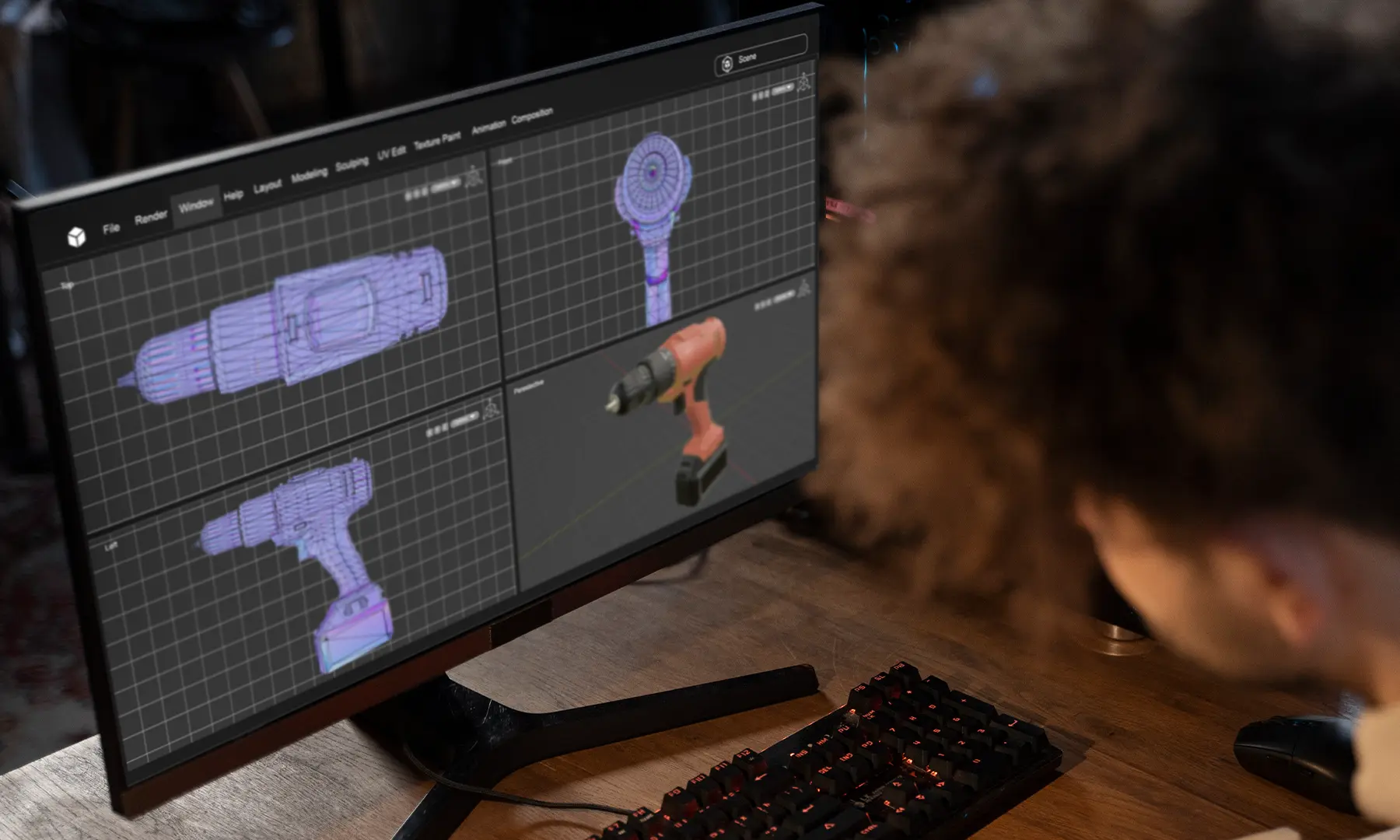

Why SolidWorks skills matter in Canada’s design and engineering job market

Where SolidWorks shows up in real jobs
SolidWorks is one of the most widely used 3D CAD tools in Canada. From mechanical design to product simulation, it plays a central role in how things are designed, tested, and manufactured. Whether you're an engineering student, a design diploma graduate, or a technician upgrading your skills, knowing how to use SolidWorks is a major advantage in the Canadian job market.
SolidWorks is used by engineers, product designers, drafters, and CNC technicians across industries. In cities like Toronto, Montreal, and Edmonton, it’s a standard tool in manufacturing, aerospace, automotive, and robotics companies. Roles in mechanical engineering, prototyping, quality assurance, and industrial design often list SolidWorks proficiency as a core requirement.
Companies like Bombardier, Magna, Linamar, and local manufacturing firms frequently hire graduates from institutions such as the University of Waterloo, McMaster, Concordia, and NAIT with expectations of CAD fluency. Job postings often ask for experience with assemblies, simulation tools, drawing standards, and part modelling, all core SolidWorks features.
Why many students struggle with SolidWorks
SolidWorks combines technical depth with visual complexity. Students in programs like mechanical engineering or industrial design are often introduced to it early, but with little time to practice deeply. A typical college or university lab may cover basic sketching, extrusion, and constraints, but students often leave unsure about parametric design, tolerancing, or working with large assemblies.
Assignments can become time-consuming and frustrating, especially when features fail, mates conflict, or imported files break the design tree. Without consistent feedback, students may learn to “click until it works” without understanding why. This becomes a problem when they need to troubleshoot or collaborate in real industry settings.
How tutoring bridges classroom learning and workplace expectations
One-on-one tutoring gives learners the chance to slow down, ask questions, and build models with real purpose. Whether you’re preparing for a co-op at a manufacturing firm in Mississauga or building a capstone project at UBC, tutoring can help you move from basic functionality to confident, career-ready skills.
Tutors can walk you through assignments, show you how to optimize designs for 3D printing or CNC machining, and explain common workflows used in engineering teams. You can also get support preparing for certification exams like CSWA or CSWP, which are recognized by employers across Canada.
Learning SolidWorks isn’t just about checking off a course requirement. It’s about building a skill that translates directly to your next job, and a tutor can help you get there faster, with fewer roadblocks.


