

Architecture classes and training in Canada
Architecture is part art and part engineering, and an online architecture tutor helps with both sides. Lessons cover design studio work, drafting, and software like AutoCAD, SketchUp, and Revit, plus the portfolio you need to apply. It suits students aiming for Canadian architecture programs at schools like Waterloo, UBC, McGill, and Toronto Metropolitan, and those already in studio. Feedback on your drawings and designs comes in real time, over video.
Free Trial
15-days refund
Free tutor swap
No cancel fee
Summary
Podcast

We match you with best tutors for your requirements

Architecture explored with Canadian tutor support
Students from Edmonton, Winnipeg, Toronto
Amol taught 2 days ago
The Student, a landscape architecture student, discussed their project requirements with the Tutor, focusing on creating a 3D SketchUp model for site analysis of an urban redevelopment. They detailed the design vision for a 'third space' with specific architectural and landscape elements. The Tutor clarified the scope of work for developing the initial 3D base and agreed to proceed upon receiving the Student's existing SketchUp file and design sketches.
SketchUp as a Primary Tool for Landscape Site Analysis
Iterative Definition of 3D Model Scope (LOD)
Understanding Site Context for Design Vision
Essential SketchUp File Organization: Layers and Scenes
Practical Project Scope Negotiation and Collaboration
Kajal taught 13 days ago
The Student and Tutor practiced creating and customizing title blocks, placing various views onto sheets, and learned methods for exporting and rendering models in Revit. They also discussed managing 3D views, protecting elements, and creating automatic schedules, with a focus on efficient workflow practices and recommended external rendering tools.
Revit Sheets and Title Blocks
3D View Navigation and Visualization
Element Management: Pinning and Family Editing
Revit Rendering Workflow and External Tools
Documentation: Drafting Views and Automatic Schedules
Kajal taught 14 days ago
Student and Tutor worked on advanced Revit functionalities, troubleshooting issues related to family parameters, view range settings for staircases, and creating new floor plan views. They also covered visibility controls for elements within families and practiced creating custom casework using extrusion and sweep tools, concluding with a brief discussion on dimension locking and element grouping. The student will continue working on the project for a client, with another session scheduled for the next day.
Understanding Revit Families and Types
Controlling Element Visibility with View Range
Creating New Floor Plan Views
Quick Visibility Controls: HI
HH
HR
EH
Advanced Family Creation: Extrusions
Kajal taught 15 days ago
The Student and Tutor worked extensively on editing and troubleshooting Revit families, focusing on a door family. They practiced adjusting dimensions using reference planes, explored instance versus type parameters, and corrected family template issues for proper wall integration. The session also covered visibility settings for family elements and briefly discussed modifying wall structures; the Student plans to send further questions for the next class.
Revit Family Dimensioning & Views
Parametric Control with Reference Planes
Instance vs. Type Parameters in Families
Correct Family Templates & Wall Cutting
Family Element Visibility Control
2D Representation: Door Swings & Lines
Multi-Finish Walls with Split Region
Riya taught 24 days ago
Student and Tutor discussed the Student's recent excellent academic performance in SketchUp and delved into practical applications of Canva, covering text, background removal, and file management. They planned to begin a comprehensive design project utilizing AutoCAD, SketchUp, and Enscape, starting with manual space planning based on the Student's course assignment.
Canva Fundamentals: Workflow & Essential Tools
AI's Transformative Role and Limitations in Design
Integrated Design Software Workflow: 2D to 3D Visualization
Design Project Methodology: From Hand Sketch to Digital Execution
Specializations in Architectural & Interior Design: Project Types and Client Dynamics
Riya taught 30 days ago
The Student and Tutor worked extensively on refining lighting and material settings in SketchUp and Enscape for an interior design project. They focused on adjusting light intensities for wall sconces and bookshelf backlighting, troubleshooting material transparency issues. The session concluded with rendering evening views and a brief discussion on using Canva for mood boards.
Enscape Material Editor: Achieving Sheer Fabric Effects
Optimizing Enscape Artificial Light Sources
Troubleshooting Light Placement and Illumination Issues
Refining Global Scene Lighting with Enscape Visual Settings
Creating and Exporting Enscape Render Views
Architecture classes with design-focused training across Canada




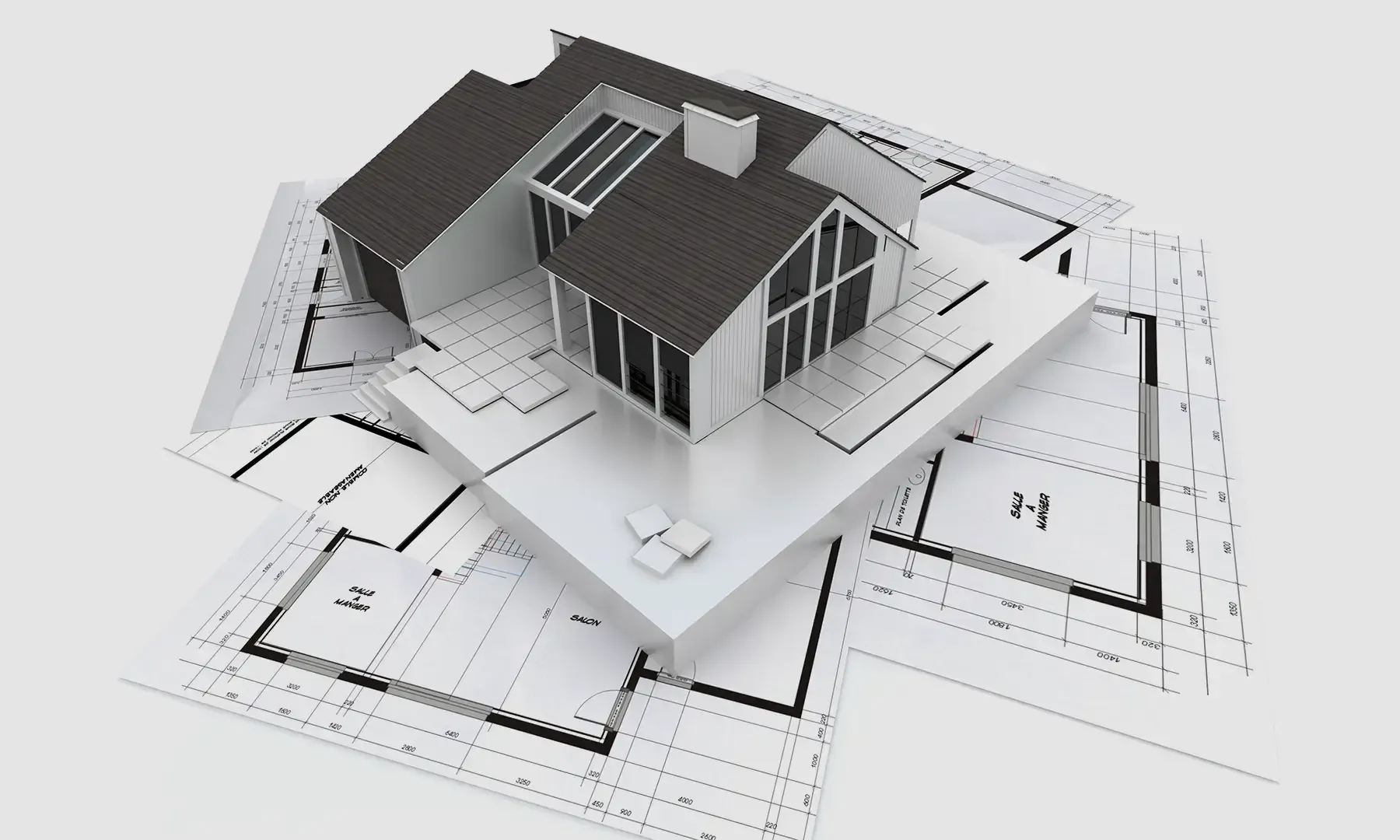
Architecture class statistics from Canada-based sessions

Total Architecture tutors
219 Architecture tutors available

Expert Architecture tutors
75% hold a Bachelor’s degree
Architecture Industry experience
89% of tutors have worked in Architecture & CAD industries
Architecture Education in Canada: A Guide to Learning, Practice, and Personalized Support

Where Architecture Education Begins in Canada
In Canada, the journey into architecture typically starts in high school with a strong foundation in mathematics, physics, and visual arts. Students interested in architecture often explore drafting courses or attend specialized design workshops. Cities like Vancouver, Toronto, and Montreal offer early exposure through local programs and pre-college summer studios, including the Daniels Design Discovery at the University of Toronto or the UBC Future Global Architects program.
Formal architectural studies usually begin at the post-secondary level. Programs vary across the country, with some universities offering direct-entry undergraduate degrees in architectural studies, while others require completion of a pre-professional degree followed by a master’s program.
Key Universities Offering Architecture in Canada
Several Canadian universities are recognized for their architecture and design programs:
University of British Columbia (Vancouver): Bachelor of Environmental Design and Master of Architecture (MArch)
University of Toronto (Daniels Faculty): Undergraduate architecture studies and MArch
McGill University (Montreal): BSc in Architecture and MArch, with a strong focus on theory and heritage
Carleton University (Ottawa): Azrieli School of Architecture and Urbanism
University of Manitoba (Winnipeg): Environmental Design program leading to MArch
Université Laval (Québec City): French-language training in architecture and environmental design
Ryerson University (Toronto Metropolitan University): Accredited undergraduate architecture degree
Many colleges, such as George Brown College in Toronto or SAIT in Calgary, also offer architectural technology diplomas with practical, industry-aligned training.
Common Learning Challenges in Architectural Education
Architecture combines technical skill, artistic vision, and theoretical understanding. Students often juggle:
Software fluency: Learning tools like AutoCAD, Revit, Rhino, SketchUp, and Adobe Creative Suite
Studio deadlines: Completing iterative design projects under tight timelines
Technical drawing and model-making: Translating abstract ideas into physical and digital forms
Theory and history: Understanding architectural movements, sustainability, and spatial logic
Math and physics: Applying structural concepts, especially in early years
In cities like Calgary or Halifax, students balancing studio work and academic theory may find it difficult to keep pace with both. University workloads in architecture are often intense, requiring extended hours for drafting, rendering, and revisions
Why Students Seek Subject-Specific Tutors
Architectural education is layered. Students may need support in very specific areas such as mastering Revit shortcuts, preparing for a midterm in architectural history, troubleshooting rendering issues, or developing a portfolio for graduate school applications.
In Montreal or Winnipeg, students working in bilingual environments may also look for tutoring in French or English to meet program expectations. Others may need help aligning portfolio projects to meet competitive entry requirements at schools like UBC or McGill.
Tutoring can provide focused, one-on-one guidance in:
Drafting and technical design
Architectural theory and writing
Portfolio development and critique
Software workflows and time-saving strategies
Understanding feedback from studio critiques
Translating design intent into clear presentation
Local and Regional Resources for Architecture Students
Across Canada, students can access resources beyond the classroom:
Architecture centers and galleries: The Centre Canadien d’Architecture (CCA) in Montreal and the Design Exchange in Toronto
Provincial associations: Such as the Ontario Association of Architects (OAA) or Alberta Association of Architects (AAA)
Local design festivals and competitions: Vancouver Design Week and Toronto Architecture Biennial
Community design hubs: Places like Centre for Architecture in Halifax or the Manitoba Association of Architects Resource Centre in Winnipeg
These offer exhibitions, lectures, networking, and inspiration. Tutors with experience in the field can help students engage with these spaces more critically and professionally.


