
Ankur Mittal
Economics Tutor Specializing in Market Structures, Financial Analysis, and Policy


Show all photos
Ankur Mittal
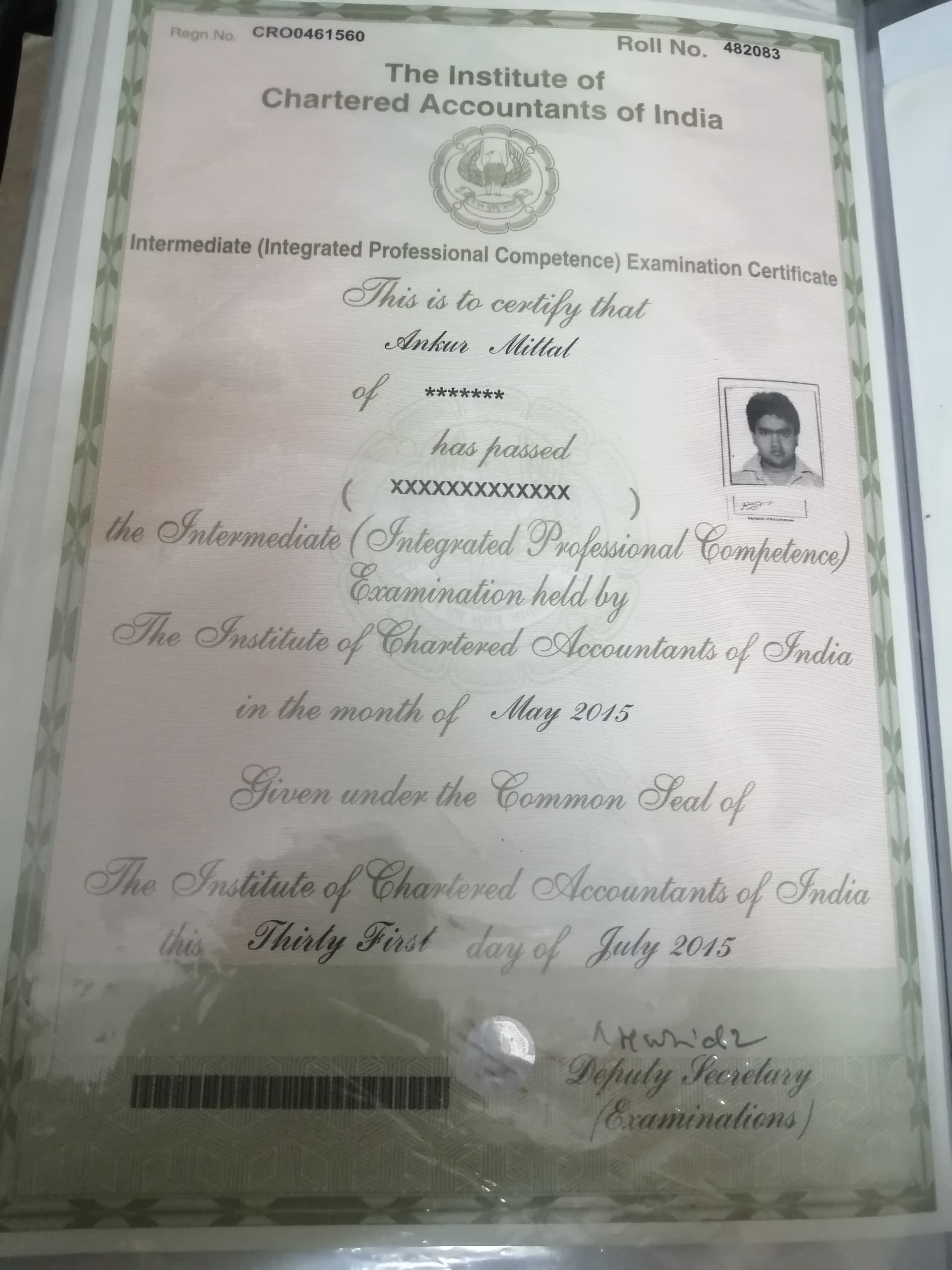
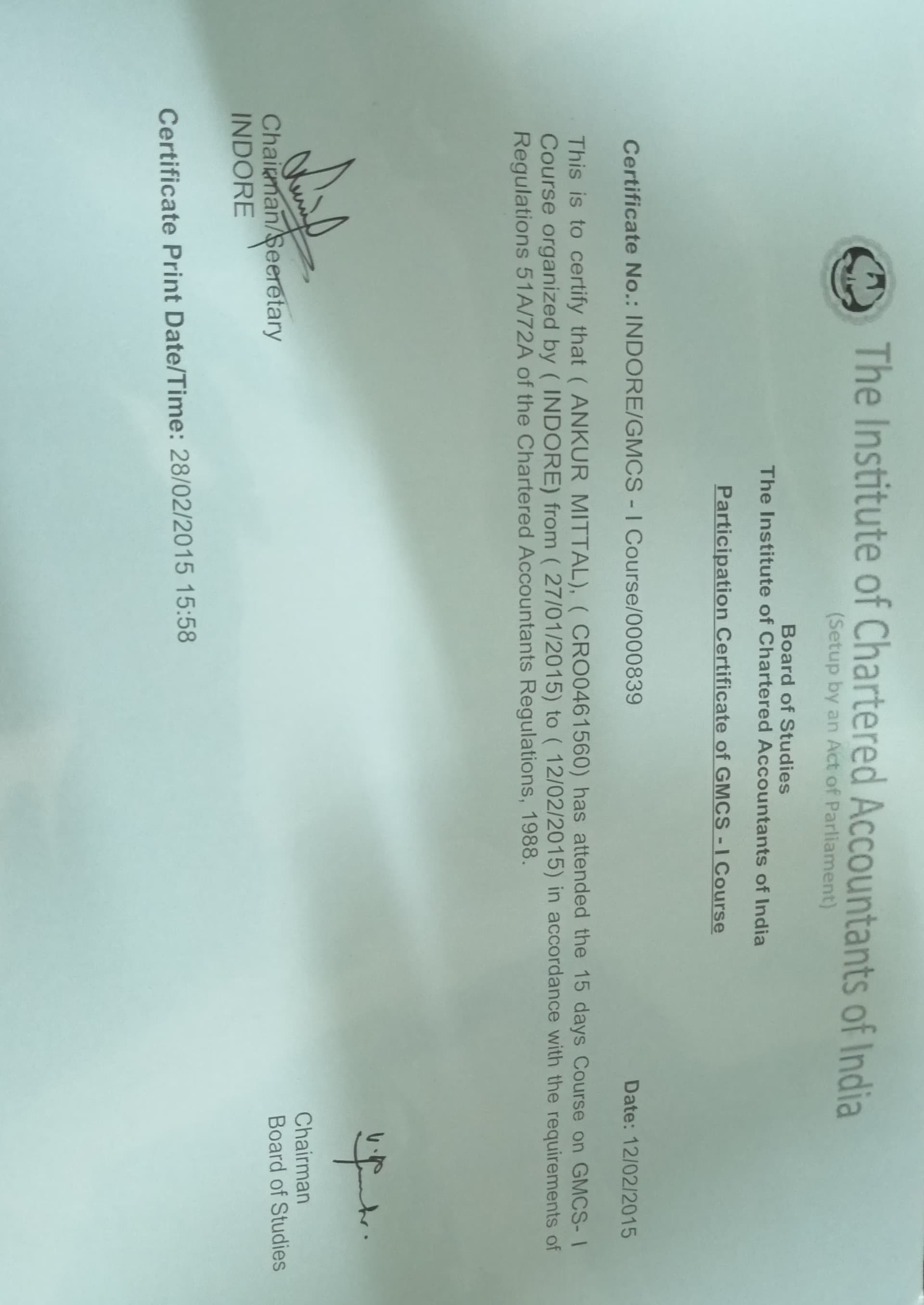
Bachelors degree
/ 55 min
About your economics tutor
Hi there! I'm Ankur Mittal, a Business & Economics tutor with a Bachelors degree in Commerce. My teaching philosophy revolves around making complex concepts simple and relatable for students. I believe in interactive learning and use real-world examples to enhance understanding. I engage students through discussions, case studies, and practical applications to ensure they grasp the subject thoroughly. I cater to students of all levels including college, school, and adult/professional learners in Economics, Finance, Accounting, AP Macroeconomics, AP Microeconomics, and Business. Let's dive into the world of business and economics together!
Ankur graduated from University of Rajasthan
Academic expertise of your economics tutor

Real world application

Homework help

GCSE (UK)

A-Levels (UK)

Australian Curriculum (AU)
Review sessions

New Zealand Curriculum - NZC (NZ)

Case study analysis

Grade improvement

Common Core State Standards - CCSS (USA)

State-Specific Standards (USA)

International Baccalaureate (IB)
 CoTutor
AI modules
Summary
Podcast
Quiz
Learnings
Flashcard
Spotlight
Zero Risk Guaranteed
15-days refund
Free tutor swap
No cancel fee
1-yr validity
24/7 support
Student types for economics class

College students
Middle School students
None of the above
Economics class quick guide
As an Economics, Finance, and Accounting tutor, I specialize in helping College, School, and Adult/Professional students succeed. My teaching style is Engaging, Creative, Hands-On, and Practical, focusing on Problem Solving and a Structure & Systematic approach. I will prepare you for success in exams and future careers in business by creating interactive simulations where you make business decisions and see the outcomes. I believe in mastering economic theories and business strategies through real-world scenarios. Group projects are used to assess teamwork and the application of economic principles. Let's work together to achieve your academic and career goals!
Your economics tutor also teaches

AP Macroeconomics
Business
Economics
Microeconomics
Behavioural Economics
Market Structures

Economics concepts taught by Ankur
The Student and Tutor explored fundamental concepts of financial management, including capital budgeting techniques like NPV and IRR, and the significance of cash flow statements. They also practiced financial ratio analysis using a provided case study, comparing calculated ratios to industry averages to assess business performance. The session concluded with a discussion on how to schedule future sessions.
Capital Budgeting and Investment Decisions
Financial Management Fundamentals
Ratio Analysis: Evaluating Business Performance
Cash Flow Statement: The Real Cash Movement
Financial Statements: P&L vs. Balance Sheet
The Tutor and Student engaged in a detailed discussion comparing indirect tax systems, specifically VAT in Austria and Denmark with GST in India. They examined the core concepts of indirect taxation, its role in public finance, and the structural differences in implementation, compliance, and digital infrastructure across these countries. The session also outlined the research objectives and methodology for a comparative study.
Direct vs. Indirect Taxes
VAT and GST: Conceptual Similarities
Input Tax Credit (ITC)
Compliance Burden and Administrative Efficiency
The tutor and student focused on narrowing down the research scope for a thesis, ultimately selecting Denmark for a comparative analysis of tax systems. They discussed key tax concepts, including direct vs. indirect taxes, VAT, and the Input Tax Credit (ITC) mechanism, and the role of digitalization in tax administration. The tutor will draft a proposal based on these discussions for the student to submit.
Comparative Tax System Analysis
Tax Systems: Direct vs. Indirect
Progressive vs. Regressive Tax Systems
Input Tax Credit (ITC) Mechanism
Digitalization in Tax Administration
The Tutor and Student discussed a comparative analysis of indirect tax systems, focusing on VAT in Austria and the EU versus GST in India. They examined policy structures, compliance models, and economic effects. The next session will finalize the comparison country and refine the proposal and table of contents.
Indirect Taxation: VAT vs. GST
Digitalization and E-invoicing
Operational and Administrative Differences
Tax Rates and Exemptions
Input Tax Credit (ITC)
Multi-Stage Consumption Tax
The session focused on preparing the student to write a thesis proposal comparing VAT systems in EU countries with India's GST. Key topics discussed included the types of taxes (direct vs. indirect), the evolution of VAT systems, input tax credits, and progressive vs. regressive tax systems. The next session is scheduled to further develop the thesis proposal.
Harmonized System Nomenclature (HSN) Codes
Progressive vs. Regressive Tax Systems
Cascading Effect
Direct vs. Indirect Taxes
Input Tax Credit (ITC)
The session reviewed bad debt expense, allowance for doubtful accounts, and related journal entries. The student worked through several problems involving the calculation and recognition of bad debt expense, as well as the aging of accounts receivable. The Tutor assigned homework problems to further practice these concepts.
Trial Balance
Calculating Bad Debt Expense
Journal Entries for Bad Debt
Aging of Accounts Receivable
Bad Debt Expense and Allowance for Doubtful Accounts
Learning tools used by economics tutor

Presentations

Assessments

Digital whiteboard

Quizzes

Practice worksheets
Interactive economics lessons

Open Q&A

Parent feedback

Mobile joining

Chat for quick help

Note taking
Explore tutors in similar subjects


Economics tutors on Wiingy are vetted for quality
Every tutor is interviewed and selected for subject expertise and teaching skill.