
Yeriko Vargas
Computer Science Tutor — Stop Feeling Lost in Python & ML, Start Building Real Projects (Music, Video, AI)




Show all photos
Yeriko Vargas
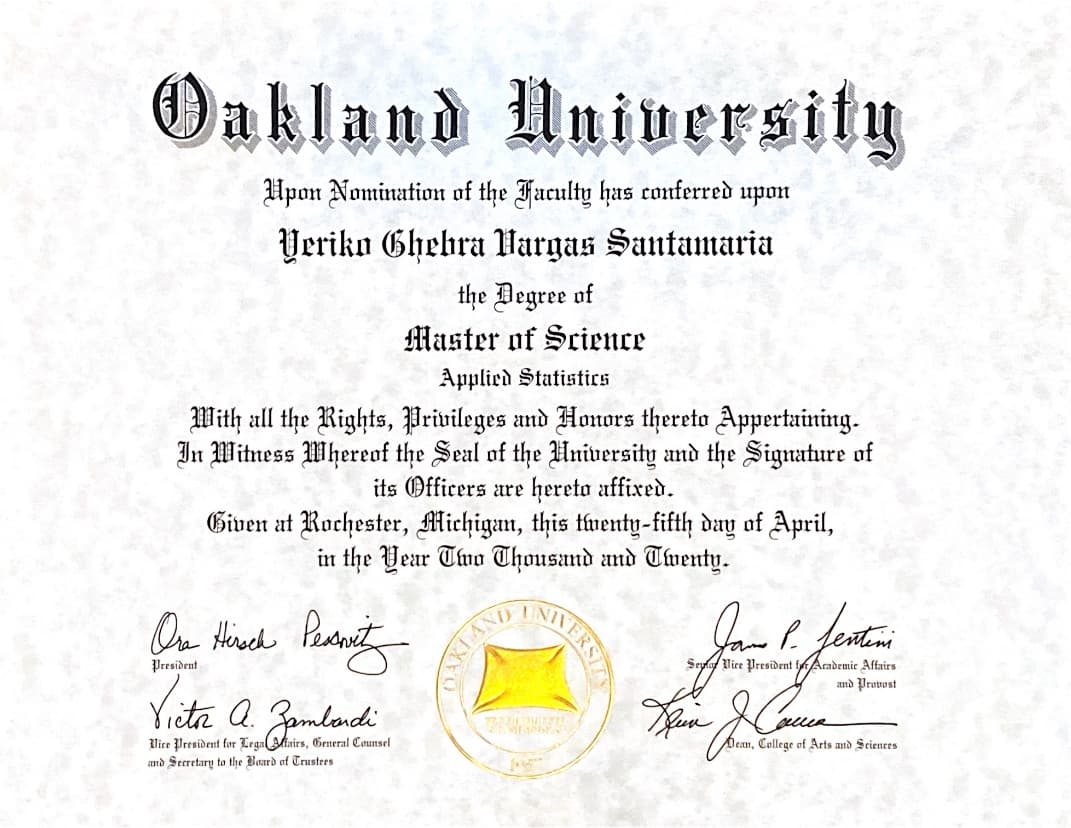
Masters degree
/ 55 min
Yeriko - Know your tutor
Hello there , I’m Yeriko. I teach Python, stats, and machine learning through real, exciting projects: sound, video, even game-style systems — so it actually clicks. I’ve built models at Ford Motor Company and Chrysler, and I bring that same real-world energy into how I teach. We’re not just learning, we’re building cool things with data. Here, you won’t just “coding” — you’ll use it to build, experiment, and think like a data scientist. From predicting trends to designing machine learning systems, we’ll break things down so they actually make sense — no fluff, no confusion. Lately, I’ve been building a music recommendation system that treats audio like data you can understand. Instead of guessing songs, the system breaks music down into energy, texture, and dynamics using signal processing, then organizes it with PCA and clustering to create “states” of sound. From there, it selects the next track using similarity + rules like BPM, key, and energy flow — basically thinking like a DJ but powered by machine learning. It’s a perfect example of how we take something creative and turn it into a structured, intelligent system — and that’s exactly how I teach. Also — I’m strong in SQL and tools like Tableau/Studio, so we don’t just build models, we learn how to work with real data end-to-end.
Meet Yeriko
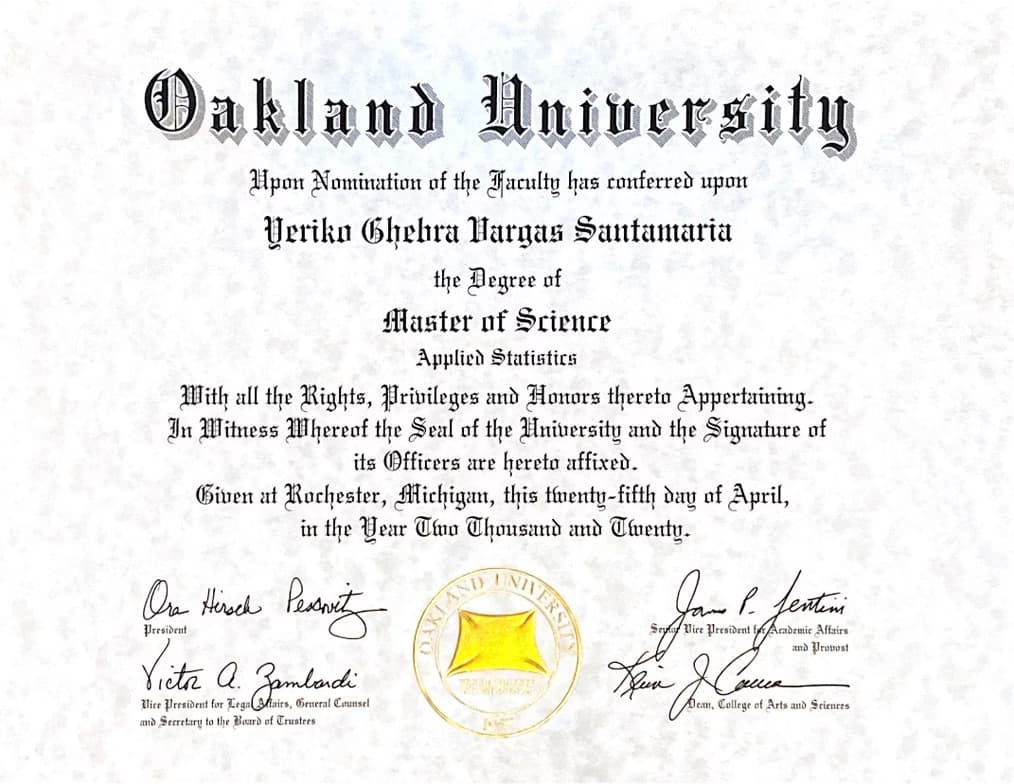
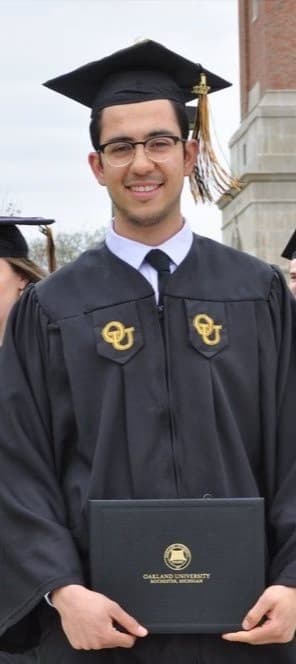
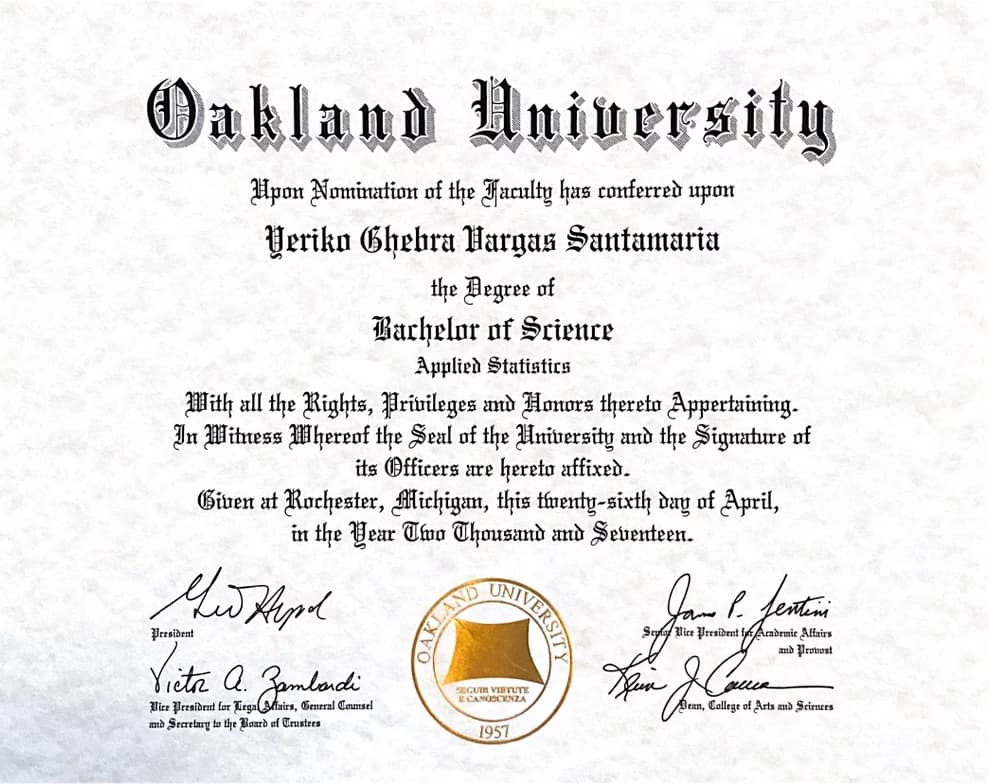
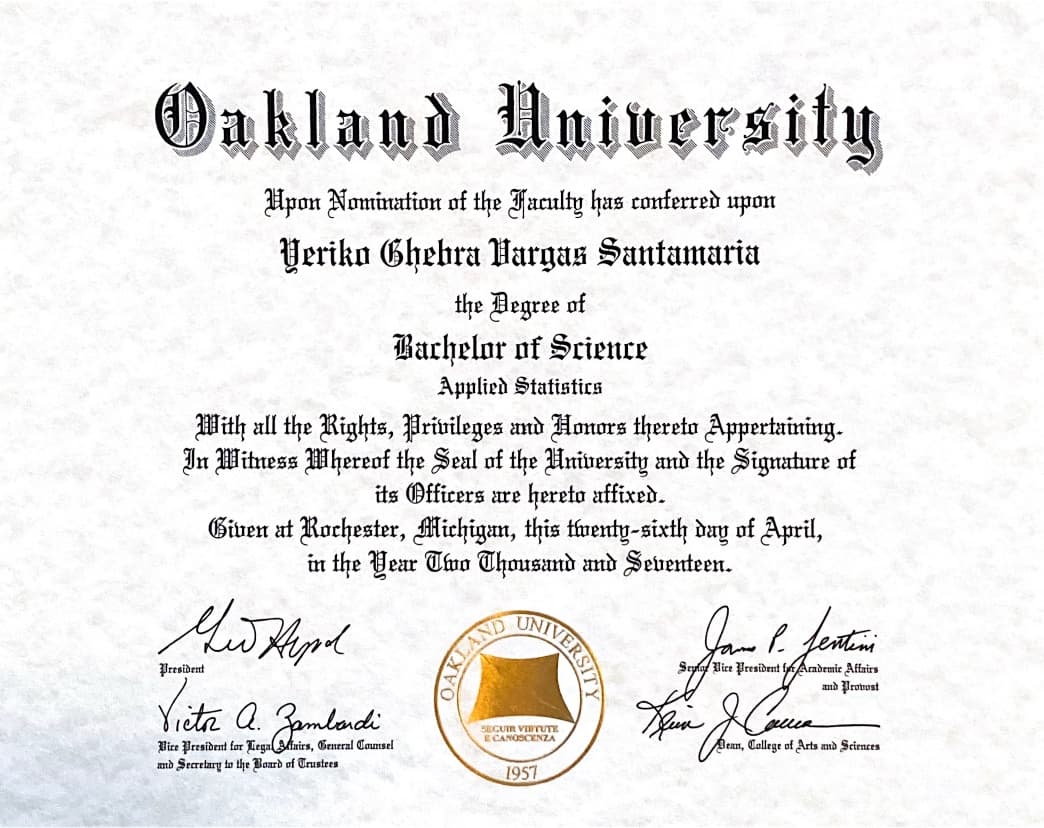
Yeriko graduated from Oakland University
Programming tutor specialities

Assignment help

Project help

Job readiness

Debugging

Upskilling

Code Review

Code Optimization
 CoTutor
AI modules
Summary
Podcast
Quiz
Learnings
Flashcard
Spotlight
Zero Risk Guaranteed
15-days refund
Free tutor swap
No cancel fee
1-yr validity
24/7 support
Learner for programming class

College students

ADHD
High School students
Programming class overview
I specialize in tutoring students for homework, exams, and especially big exams, building understanding from the ground up. My approach is comprehensive, covering both theory in statistics and mathematics and practical Python coding. This ensures you're not just exam-ready but also equipped with essential programming skills. I emphasize Python solutions alongside statistical concepts, offering a dual-track learning path. My aim is to prepare you not just for academic success but for a thriving career in data science. With me, you get the tools and knowledge to excel in both the classroom and the professional world.
Your programming tutor also teaches

Artificial Intelligence
Computer Science
Databases
Machine Learning
Python
R

Computer Science concepts taught by Yeriko
The Student and Tutor focused on debugging a Python script to download historical commodity data from IBKR, successfully implementing a function to resolve the issue. They also reviewed key machine learning concepts, including logistic, multinomial, and multivariate regression. They scheduled a follow-up session to delve into generating synthetic data and advanced machine learning techniques.
Multinomial & Multivariate Regression
Python API Request Encapsulation for Stability
Handling Asynchronous Event Loops in Jupyter/Python
Introduction to Synthetic Data Generation
Logistic vs. Linear Regression
Downloading Historical Commodity Data with IB Insync
Student and Tutor debugged R code for an economics assignment, focusing on resolving a "path does not exist" error encountered when importing an Excel dataset into RStudio. They practiced correcting file paths and organizing files. The Student also discussed an upcoming midterm and a future assignment.
Resolving "Path Does Not Exist" Errors in R
Organizing Project Files for Reproducibility
R Package Management with `library()`
Efficient R Script Execution Strategies
The Student and Tutor worked through a statistics homework assignment using R programming, focusing on data manipulation, descriptive statistics, and visualization techniques. They covered topics including variable transformation, calculating central tendencies and dispersion, interpreting skewness and z-scores, and analyzing categorical data. The Tutor will provide a detailed R script with comments and a Word document of answers for the Student to review and complete.
R Studio Environment & Data Import
Data Preparation: Missing Values & Variable Transformation
Descriptive Statistics & Data Visualization
Z-scores & Data Normalization
Population vs. Sample Measures (Variance & Standard Deviation)
Categorical Data Analysis: Frequency & Group Means
The session was a demo lesson focused on R Studio programming for an undergraduate Economics course (Econ 221). The Student sought help with a homework assignment involving data analysis concepts such as identifying missing values, understanding variables, constructing new variables, analyzing relationships, and calculating probabilities. The Tutor explained these concepts in detail, relating them to economics and discussing a plan to work through the homework questions and prepare for an upcoming midterm.
Grouping Data for Comparative Analysis
Introduction to Probability Concepts in Data
Analyzing Relationships Between Variables
Feature Engineering: Creating New Variables
Understanding Data Variables and Structures
Handling Missing Values (NA
NaN) in R
The student and tutor worked on establishing Python connectivity for trading applications, troubleshooting API errors, and understanding programming kernels. They then explored the differences between machine learning and deep learning, followed by a discussion on applying data science to music composition using MIDI notation. The session concluded with the creation of a dedicated Python environment for music-related packages.
MIDI for Music Representation
Machine Learning vs. Deep Learning
Understanding Kernels in Computing
Python Environment Management (Conda)
The student and tutor explored the distinctions between supervised and unsupervised machine learning, particularly in the context of computer vision and data representation. They discussed how images and music can be converted into numerical data for analysis and how this can be applied to various fields. Future sessions were planned to cover setting up development environments and further explore music generation projects.
Supervised vs. Unsupervised Learning
Computer Vision: Pixels to Vectors
Feature Extraction and Data Representation
Clustering and Pattern Recognition
Teaching tools used by tutor

Git & GitHub

PyCharm

Postman

Jupyter Notebook

Visual Studio Code

Android Studio

Xcode
Dynamic programming classes

Parent feedback

Pets are welcomed

Note taking

Record lessons

Open Q&A
Find programming tutors in similar subjects


Coding tutors on Wiingy are vetted for quality
Every tutor is interviewed and selected for subject expertise and teaching skill.
