
Avni Goel
Collaborative Computer Science tutor with problem-solving skills and interactive methods




Show all photos
Avni Goel
Bachelors degree
/ 55 min
Avni - Know your tutor
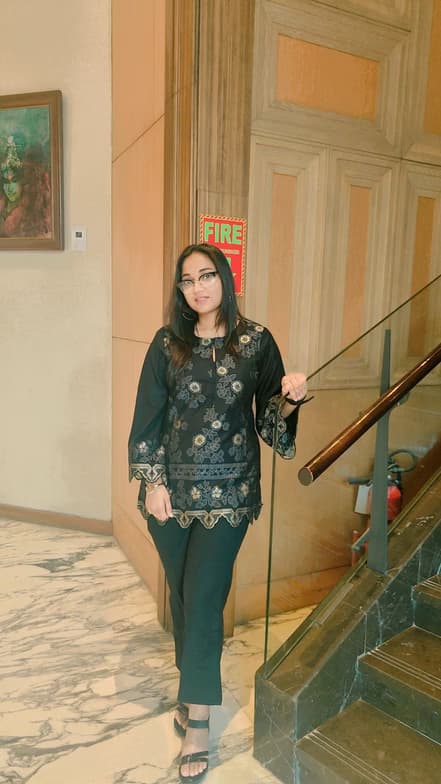
Hi there! I'm Avni Goel, a Computer Science and Coding tutor. With a Bachelor's degree in Computer Science, my teaching philosophy revolves around making complex concepts simple to understand. I engage students by incorporating real-world examples and hands-on coding exercises in subjects like Python, Java, and web development. Whether you're an adult learner, college student, or school student, I'm here to help you excel in Computer Science, databases, HTML, and more. Let's make learning fun and productive together!
Programming tutor specialities

Homework help

Debugging

Upskilling

Assignment help

Competitive Programming

Paired coding

Code Optimization
 CoTutor
AI modules
Summary
Podcast
Quiz
Learnings
Flashcard
Spotlight
Zero Risk Guaranteed
15-days refund
Free tutor swap
No cancel fee
1-yr validity
24/7 support
Learner for programming class

Middle School students
College students
Programming class overview
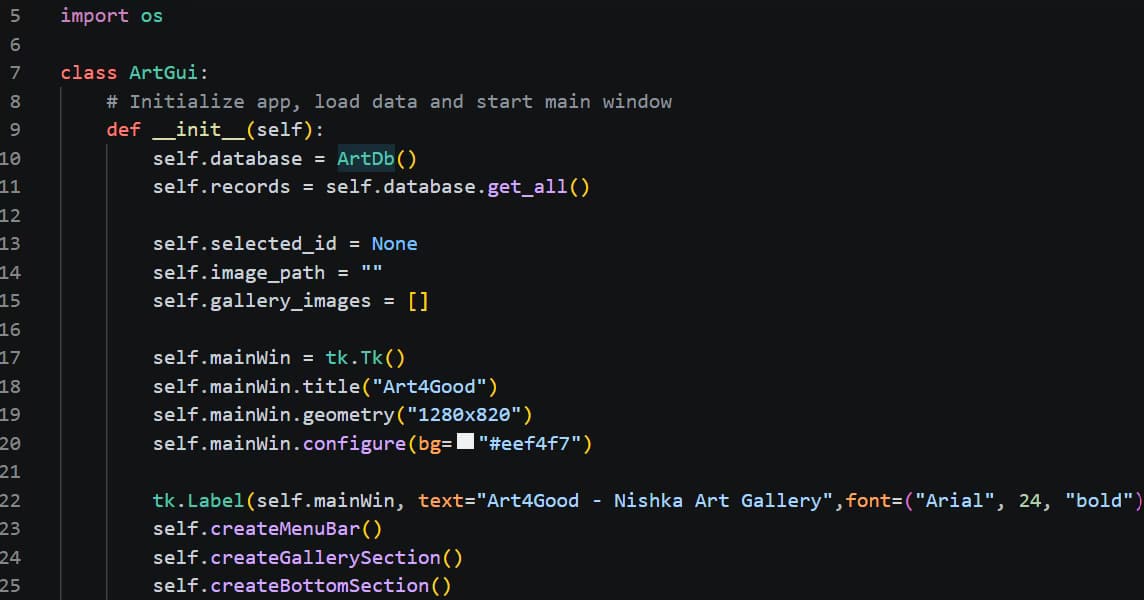
As a coding tutor specializing in various programming languages and web development, I focus on problem-solving and interactive teaching methods. I tailor coding projects based on your goals, be it creating a game, website, or an app. Through collaborative pair programming sessions, I offer instant feedback to enhance your learning experience. My adaptable teaching style enables you to solve complex problems effectively. Whether you are an adult, college student, or at any level, I am here to guide you through your coding journey. Let's work together to achieve your programming goals!

Improved problem-solving skills
92% of students report faster problem-solving after lessons.

100% on-time college submissions
Students meet deadlines with tutor support.

Flexible lesson scheduling
90% of students find it easy to schedule lessons.
Your programming tutor also teaches

Computer Science
Databases
R
Web Development

Computer Science concepts taught by Avni
Student and Tutor collaborated on developing a Flask web application based on the Student's concept for a life tracking tool. They focused on setting up the fundamental Flask project structure, connecting HTML templates and CSS styling, and implementing a basic mood tracking feature to demonstrate data submission and display. The plan is to continue building out more features in upcoming sessions.
Flask Routing and HTTP Methods
CSS Integration and Basic Styling
Jinja Templating for Dynamic Content
Backend-Frontend Communication (Flask & HTML)
Flask Application Architecture
HTML Form Design
Student and Tutor discussed potential project ideas for the student's resume, ultimately deciding to build a Python-based web application for habit tracking using the Flask framework. They covered front-end and back-end development concepts and successfully set up a basic Flask application. The Student will prepare a feature outline for the project, and follow-up sessions were scheduled.
Project Hosting and Deployment
Setting Up a Basic Flask Web App
Streamlining UI with Bootstrap
Frontend vs. Backend: The Two Sides of Web Development
Understanding Flask: A Python Web Framework
Python for Project Development & Frameworks
The Student and Tutor collaborated on debugging and enhancing a Python-based competition simulation. They focused on refining the UI display for competitor status and leaderboards, adjusting scoring mechanics, and implementing detailed terminal output for group compositions and overall student statistics. The session concluded with significant code cleanup and a performance improvement by resolving a core bug.
Dynamic UI Updates for Event Competitors
Enhanced Leaderboard and Group Display
Codebase Debugging and Optimization
Initial Competition Data Reporting
The Student and Tutor continued developing a simulation, focusing on debugging and implementing student movement into queues, refining map dimensions, and integrating competition logic with mistake penalties. They worked on updating UI status displays and improving the clarity of console output. The session ended with a plan to review assignment instructions and continue working on the project the next day.
Student Flow & Event Queue Management
Competition Logic & Routine Execution
Dynamic UI & Map Rendering Refinements
Simulation State Tracking & Logging
Background Animation & Performance Filtering
The Tutor and Student focused on developing and refining the game logic and user interface for a competition simulation. They implemented specific movement patterns for competitors, adjusted map elements, and structured event-specific logic for solo, group, and sparring events. Future work includes developing detailed move sequences for participants, further UI adjustments, and enhancing the leaderboard display.
Student Movement & Queue Management
Event-Specific Logic for Competitions
Dynamic UI Updates & Performance Optimization
Map Layout & Zone Configuration
UI/UX Refinements & Visual Debugging
The Student and Tutor worked on a Python simulation project, focusing on integrating judges, animating student movement, and refining the UI for a competition scenario. They debugged visual overlapping issues and implemented simultaneous student movement into a queue. The plan for next steps includes incorporating the mat code, adjusting element positions, and implementing specialist events.
Event-Driven Simulation Flow
Spatial Logic and Pathfinding Boundaries
Optimizing Movement Animation
Queueing System Implementation
Simulation UI Rendering and Entity Management
Teaching tools used by tutor

Bitbucket

Xcode

Jupyter Notebook

Visual Studio Code

Git & GitHub

NetBeans
Find programming tutors in similar subjects


Coding tutors on Wiingy are vetted for quality
Every tutor is interviewed and selected for subject expertise and teaching skill.
