
Manvi Malhotra
Biotechnology Graduate Helping Students Master Biology with Clear Concepts and revisions.


Show all photos
Manvi Malhotra
Masters degree
/ 55 min
Your biology tutor - Manvi
Hello! I am Manvi Malhotra, a passionate Biology tutor who enjoys helping students understand concepts in a simple and practical way. I believe Biology becomes much more interesting when students relate it to real life instead of just memorizing definitions and diagrams. My goal is to create a comfortable learning environment where students feel confident asking questions and learning at their own pace. I specialize in topics such as Cell Biology, Genetics, Biotechnology, Human Physiology, Microbiology, and basic life sciences. I work with middle school, high school, and beginner college-level students depending on their learning needs and academic goals. I also help students with homework, assignments, exam preparation, concept revision, and improving problem-solving skills. My teaching style focuses on clarity, patience, and interaction. I break complex topics into smaller and easier parts so students can build strong fundamentals step by step. During classes, I use examples from daily life, diagrams, visual explanations, and practice questions to make learning engaging and easier to remember. I also adapt my teaching method according to each student’s pace and understanding level because every student learns differently. I encourage students to think critically instead of relying only on rote memorization. I regularly revise previously taught concepts, conduct doubt-solving sessions, and provide tips for better exam performance and time management. My aim is not only to help students score better marks but also to help them genuinely understand and enjoy the subject. I look forward to helping students achieve their academic goals through supportive, personalized, and interactive learning sessions.
Meet Manvi
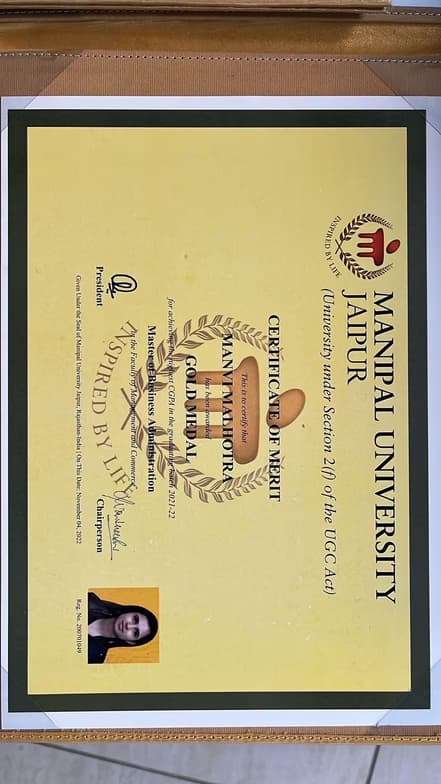
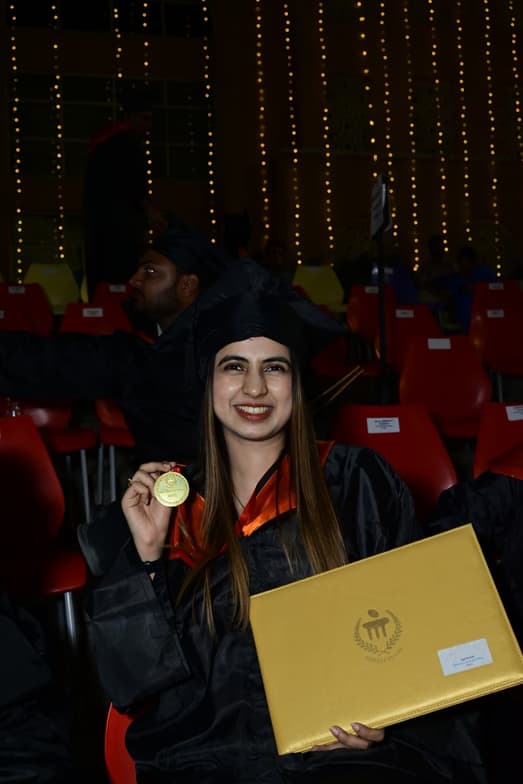
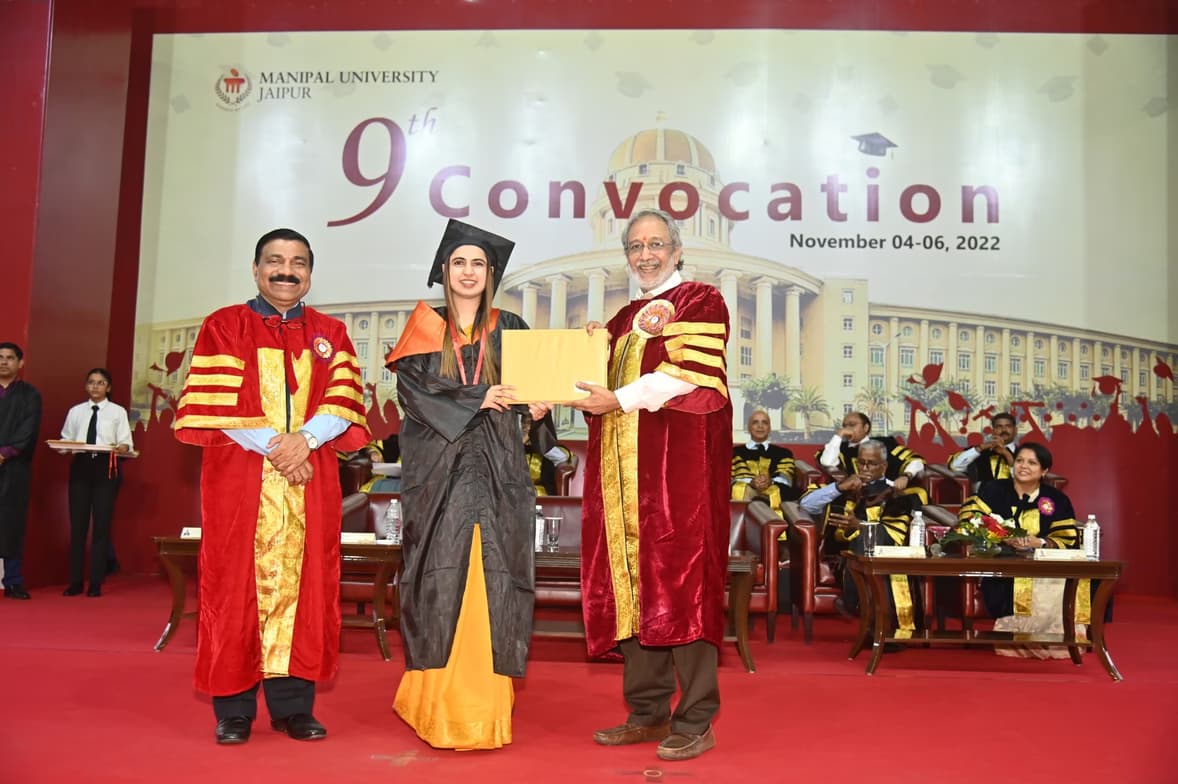
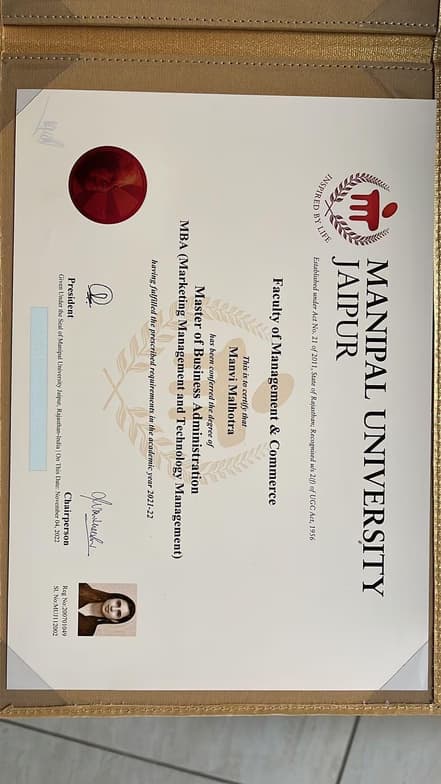
Manvi graduated from Manipal University
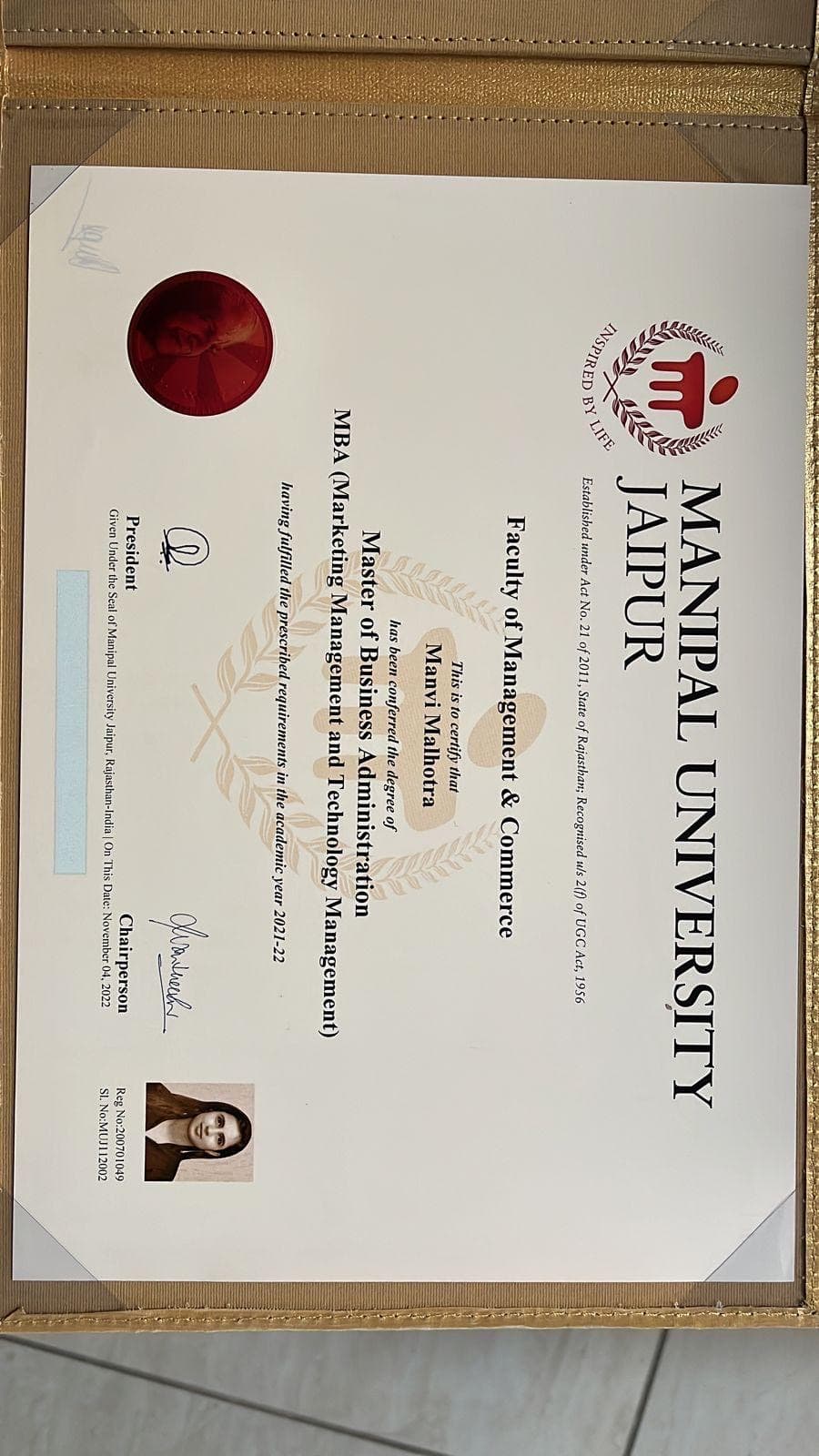
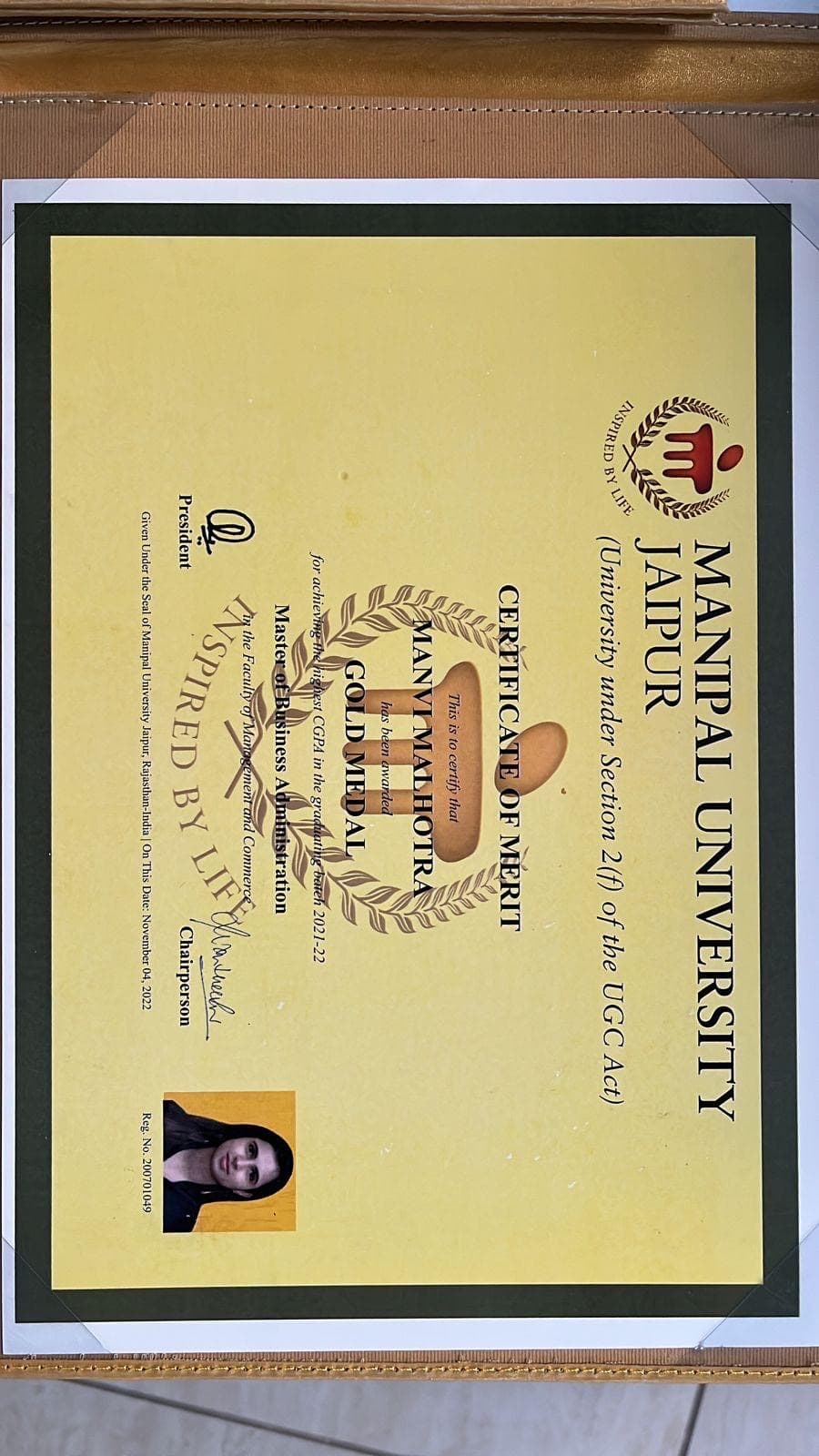
Academic expertise of your biology tutor

Biology experiments

Advanced Placement (AP) Program (USA)
Test prep strategies

Next Generation Science Standards - NGSS (USA)

State-Specific Standards (USA)

A-Levels (UK)
Real world application

Provincial-specific curriculum (CA)

Common Core State Standards - CCSS (USA)

New Zealand Curriculum - NZC (NZ)
Career guidance
Visual learning
 CoTutor
AI modules
Summary
Podcast
Quiz
Learnings
Flashcard
Spotlight
Zero Risk Guaranteed
15-days refund
Free tutor swap
No cancel fee
1-yr validity
24/7 support
Types of students for biology class

Anxiety or Stress Disorders

Middle School students

Learning Disabilities
Elementary School students
High School students

Home schooled

ADHD

ASD
Your biology tutor also teaches
Biology
Botany
Cell biology
Genetics
Microbiology
Zoology

Biology concepts taught by Manvi
The Tutor and Student reviewed enzyme kinetics, covering substrate saturation, the effects of temperature and pH on enzyme activity, cellular control of enzymes, and different types of enzyme inhibitors. They also briefly discussed potential class continuation and revision sessions.
Environmental Factors Affecting Enzyme Function
Enzyme Inhibition: Reversible and Irreversible
Cellular Control of Enzyme Activity
Enzyme Activity and Substrate Saturation
The Tutor and Student reviewed cell division concepts, specifically mitosis and meiosis, and then transitioned to an introduction of enzyme biology. They discussed enzyme function, specificity, the factors affecting enzyme activity, and the role of inhibitors. The class concluded with a plan to delve deeper into these factors in the next session.
Enzyme-Substrate Interaction (Lock and Key vs. Induced Fit)
Enzyme Inhibitors
Factors Affecting Enzyme Activity: Temperature and pH
Enzymes as Biological Catalysts
The Tutor explained the function and specificity of enzymes as biological catalysts, detailing concepts like active sites, substrates, and the lock-and-key/induced-fit models. They also discussed the impact of temperature and inhibitors on enzyme activity, using examples like lactose intolerance and a potato experiment. The student was assigned homework to find enzyme-substrate combinations.
Enzymes as Biological Catalysts
Enzyme Specificity: The Lock and Key Model
Factors Affecting Enzyme Activity: Temperature and pH
Enzyme Inhibitors: Slowing Down Reactions
Induced Fit Model: A Dynamic Interaction
The Student and Tutor engaged in a biology lesson focused on reviewing the complex process of meiosis, comparing it with mitosis, and detailing the specific phases of Meiosis I. The session aimed to clarify the student's existing confusion regarding meiosis, followed by a practice questionnaire and a plan for the tutor to share corrected study materials for further revision.
Meiosis I: Halving the Chromosome Number
Mitosis: Equational Division for Somatic Cells
Meiosis II: Separating Sister Chromatids
Prophase I: Synapsis & Crossing Over for Genetic Diversity
Meiosis: Reductional Division for Gametes
The Student and Tutor reviewed mitosis before diving into meiosis. The session covered the purpose and stages of meiosis, including the subphases of Prophase I and the significance of crossing over for genetic variation. The Tutor plans to share the video and notes for further revision.
Meiosis: The Reproductive Cell Division
Outcomes and Evolutionary Significance of Meiosis
Meiosis II: The Equational Division
Meiosis I: The Reductional Division & Prophase I
Crossing Over: The Source of Genetic Variation
The Student and Tutor reviewed the academic concepts of the cell cycle and mitosis. They covered the phases of interphase (G1, S, G2) and the four main stages of mitosis (prophase, metaphase, anaphase, telophase), including the final separation known as cytokinesis. The next session is planned to cover meiosis.
The Cell Cycle: A Cell's Journey of Growth & Division
Interphase: Preparing for Cell Division
Mitosis: Duplicating Somatic Cells
The Four Phases of Mitosis (PMAT)
Cytokinesis: The Final Cell Division
Teaching tools used by biology tutor
Video conferencing

Flashcards

Practice worksheets
Digital Note taking

Quizzes
Interactive diagrams

Assessments

Biology tutors on Wiingy are vetted for quality
Every tutor is interviewed and selected for subject expertise and teaching skill.
