
Gretha Hanslick
I’m a native Spanish speaker with a C1 level of English, so you’ll always understand my explanations.



Show all photos
Gretha Hanslick
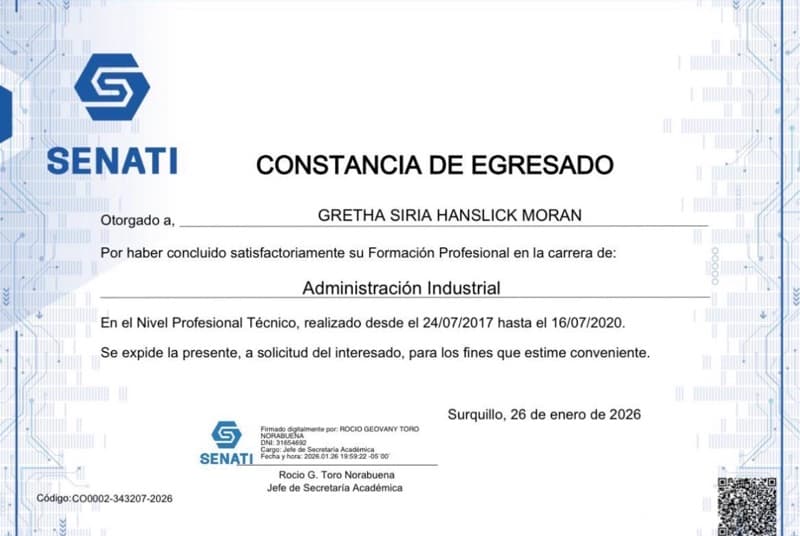
Diploma degree
/ 55 min
About your spanish tutor
Hi, I'm Gretha and I am from Lima, Peru. I have lived in the United States for three years. I've turned my passion for helping people with translations and interpreting into tutoring people that want to learn Spanish. I offer tutoring focused on: - Conversation classes: So you can gain fluency and confidence when speaking. - Pronunciation and reading: To perfect your accent and oral comprehension. - Exam preparation: To help you achieve the best results in your assessments. My experience includes numerous translation jobs and language assistance, giving me a deep understanding of Spanish in various contexts. - Tailored learning: 100% personalized sessions according to your needs and pace. - Native knowledge: Learn Spanish with the authenticity and cultural nuances of a speaker from Peru. - Practical experience: Benefit from my two years of helping Spanish speakers and my translation experience. - Comprehensive approach: Improve your conversation, pronunciation, reading, and prepare for exams. - Dynamic classes: Learn effectively and enjoyably, with real and useful Spanish. I personalize classes to suit your goals. Let's embark on this Spanish learning journey together!
Meet Gretha
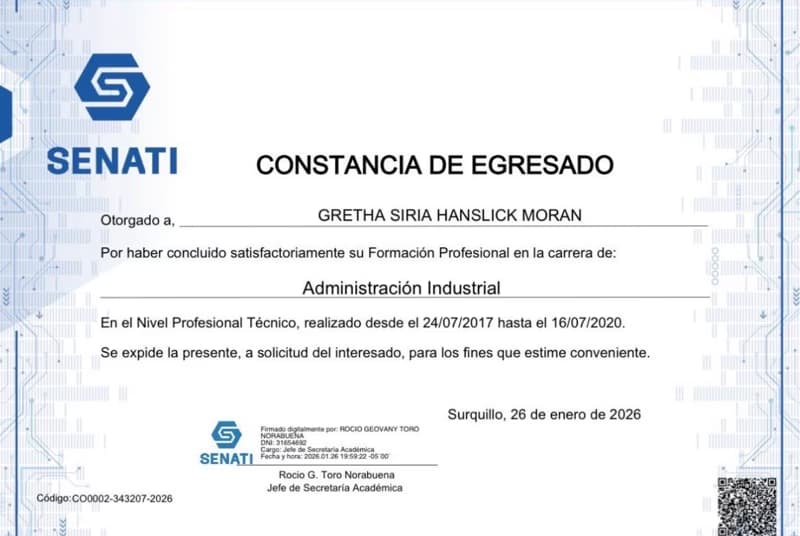
Gretha graduated from SENATI
Spanish tutor language skill

Vocabulary Building

Conversational Practice

Cultural immersion

Test prep strategies

Homework help

Pronunciation Coaching
 CoTutor
AI modules
Summary
Podcast
Quiz
Learnings
Flashcard
Spotlight
Zero Risk Guaranteed
15-days refund
Free tutor swap
No cancel fee
1-yr validity
24/7 support
Learner types for spanish classes

Spanish for advanced
Spanish for adults
None of the above
Spanish for intermediate
Spanish tutor also teaches

Spanish
Spanish Listening
Spanish Reading
Spanish Speaking
Spanish Writing
Conversational Spanish

Spanish concepts taught by Gretha
Student and Tutor thoroughly reviewed the nuanced usage of "por" and "para" and practiced essential Spanish vocabulary and phrases for common travel scenarios. They also explored pronunciation differences between Castilian and Latin American Spanish and engaged in listening comprehension exercises about Spanish culture. The session concluded with a discussion of future lessons, including advanced prepositions and descriptive language.
Mastering Por vs. Para
Spanish Pronunciation: Castilian 'C' and 'Z'
Practical Spanish Phrases for Travel
Developing Listening Comprehension Skills
Expressing Wants and Likes: Querer & Gustar
The Student and Tutor focused on Spanish grammar, specifically the distinction between the prepositions `por` and `para`. They practiced verb conjugations and applied `por` and `para` in various contextual exercises, including airport scenarios and reasons for studying Spanish. The Tutor shared external resources for continued practice and revision.
Practical Travel & Airport Vocabulary
Basic Noun Gender and Number
Present Tense Verb Conjugation Refresher
Mastering "Por" vs. "Para"
The student and tutor reviewed advanced Spanish verb conjugations, focusing on the distinct uses of 'ir' and 'hacer.' They also began exploring the complex prepositions 'por' and 'para,' with plans to delve deeper into 'para' in future sessions. The tutor will provide practice materials for the student.
Spanish Verb Conjugation: Present Tense Irregulars
Distinction Between 'Ir' (to go) and 'Hacer' (to do/make)
Vocabulary for Shopping and Items
Introduction to 'Por' and 'Para'
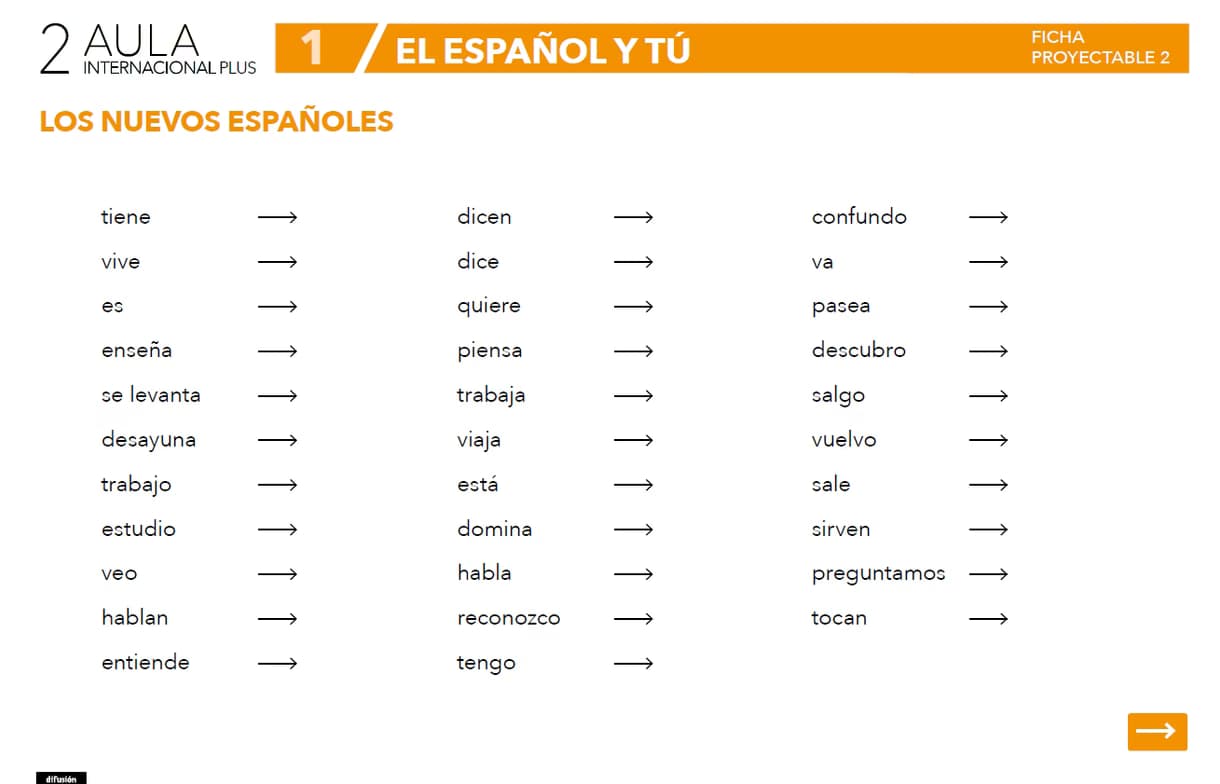
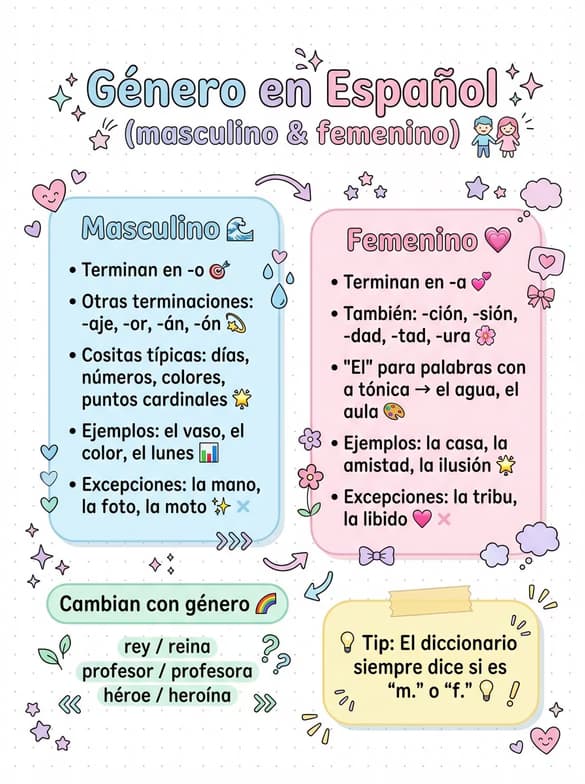
The Student and Tutor reviewed Spanish grammar, focusing on the identification of masculine and feminine nouns, including exceptions and special rules. They then practiced conjugating verbs in the present indicative tense and reinforced the importance of grammatical agreement in sentences. The Tutor will provide homework for practice and discuss future topics.
Plurilingualism and Bilingualism
Methods for Language Acquisition
Spanish Verb Conjugation: Present Indicative
Spanish Singular and Plural Agreement
Spanish Gender Agreement
The Student and Tutor practiced regular verb conjugations in present tense Spanish, focusing on -ar, -er, and -ir verbs. They also reviewed the correct usage of prepositions and articles with various verbs and distinguished between expressing 'wanting' versus 'loving'. Homework was assigned to practice these concepts, and future sessions will cover reading, listening, vocabulary expansion, and different languages spoken in Europe.
Present Tense Regular Verb Conjugation
The Dual Meaning of 'Querer': To Want vs. To Love
Understanding Articles with Destinations and Single Events
Key Movement Verbs: 'Ir'
'Salir'
and 'Visitar'
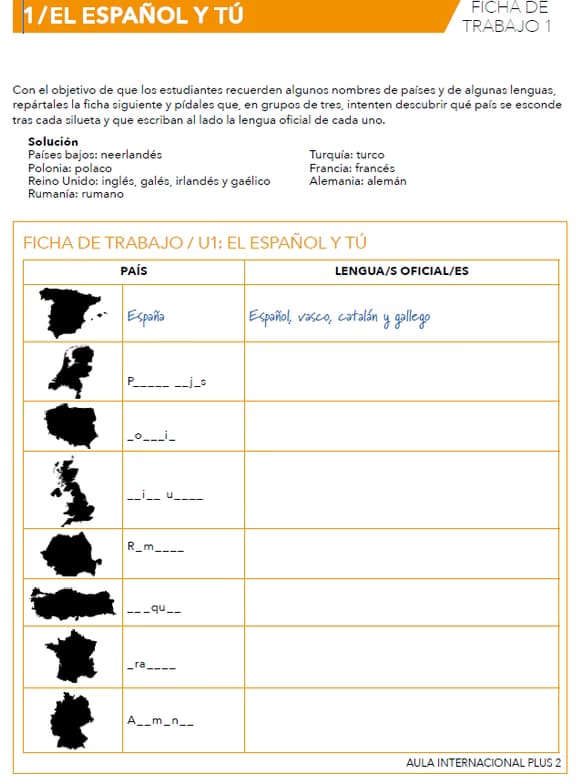
The Student and Tutor focused on foundational Spanish grammar and vocabulary, including pronunciation of 'R' and specific letters, the importance of accents for meaning, and distinguishing between masculine and feminine articles. They practiced identifying cultural vocabulary and prepositions, and discussed the correct usage of expressions like 'me too' and 'me neither'. For follow-up, the Student was assigned to review vocabulary, articles, and prepositions using a provided glossary.
Spanish 'R' Pronunciation
The Power of Accents (Tildes) in Spanish
Expressing Agreement: "Me too" vs. "Me neither"
Understanding Noun Gender (Masculine & Feminine)
Essential Prepositions and the Contraction 'al'
Learning tools used in spanish classes

Subtitled media

Grammar practice

Speech recognition

Writing prompts

Phonetic drills

Translation tools

Game based learning tools

Spanish tutors on Wiingy are vetted for quality
Every tutor is interviewed and selected for subject expertise and teaching skill.
