
Xavier Klish
Develop an Understanding of Essential Piano Methods with Personalized Learning for Beginner and Intermediate Pianists


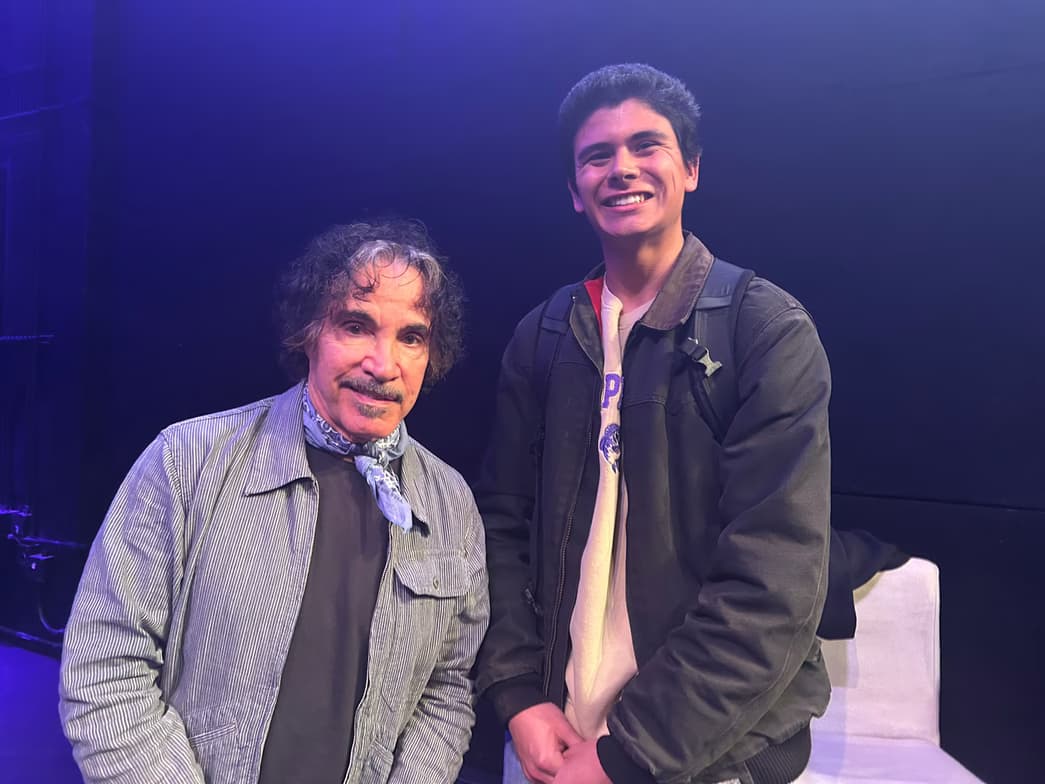



Show all photos
Xavier Klish
Bachelors degree
/ 55 min
Xavier - Your piano teacher
I'm Xavier Klish, a student at NYU earning a Bachelors degree in concert composition. I've spent the past five years studying and performing the piano and am eager to pursue teaching. With less than a year of tutoring experience, I focus on educating students on chord voicing, reading written notes as well as chord changes, and music theory. I also structure lessons around essential skills such as technique and rhythm. I primarily offer lessons to kids, beginners, and intermediate players who are curious about trying to compose some of their own work. With extensive experience using Dorico and Logic I'm capable of guiding students interested in writing and recording musical ideas with engraving software and DAWs. Having spent time with jazz, pop, rock, and classical genres, I also provide teaching for students interested in learning about progressions and melodies that make up their own personal tastes. My overall goal is to let the student determine what they want out of learning piano and using lessons to specifically point them in the direction of their desired ability. Regardless of musical ability, I hope to help lean students towards an appreciation for the piano and all that is possible within the 88 keys.
Your piano teacher skills

Finger Placement & Hand Position
Scales and Arpeggios
Improvisation
Chord Theory
Sight Reading
 CoTutor
AI modules
Summary
Podcast
Quiz
Learnings
Flashcard
Spotlight
Zero Risk Guaranteed
15-days refund
Free tutor swap
No cancel fee
1-yr validity
24/7 support
Types of learners for piano lessons

Piano for beginners
Piano for kids
Piano for intermediate

Piano classes that feel motivating and fun
91% students stay engaged and excited about practicing

Highly recommended piano teacher for beginners
94% parents say teacher is perfect for building confidence in early learners

Piano classes that boost confidence
86% students feel more secure performing after just a few lessons
Different types of piano lessons

Piano
Jazz Piano

Piano concepts taught by Xavier
Student and Tutor focused on piano fundamentals, reviewing F and B-flat major scales, triads, and a 2-5-1 chord progression in G major. They also practiced the first eight measures of a Bach Minuet, emphasizing note accuracy, fingering, and rhythm. The Tutor will provide sheet music and notes for practice, and they established a new consistent class schedule.
Understanding Triads and Chord Quality in a Key
The 2-5-1 Chord Progression & Extensions
Bach Minuet: Reading
Fingering
and Technique
Effective Piano Practice Strategies
The Tutor and Student practiced a 2-5-1 chord progression in C major on the piano, incorporating advanced voicings with nine chords and specific rhythmic patterns. They also introduced chromaticism with a flat 9 in the G7 chord and explored diminished chords for tension building. For homework, the Student is to practice the flat 9 and C# diminished chords in the 2-5-1 progression, and continue working on bassline arpeggios from the Hallelujah song in F, with the goal of adding vocals in future sessions.
Exploring Chord Voicings and Common Tones
Mastering the 2-5-1 Progression in C
Using Diminished Chords for Tension and Looping
Introducing Chromaticism and the Flat 9 (♭9) Extension
Developing Two-Hand Rhythm and Coordination
Understanding 9th Chords and Extensions
The Student and Tutor engaged in a piano lesson focused on applying chord theory and arpeggios to a "251" progression. They also initiated sheet music reading practice, reviewing note identification in both clefs, ledger lines, and rhythmic notation. The Student was assigned to continue practicing the first three measures of the new piece and prepare for the final chord of the progression next session.
Reading Standard Music Notation: Clefs & Notes
Practical Fingering for Arpeggios
Rhythm and Subdividing
Arpeggios & Chord Voicing
Chord Extensions: 7ths and 9ths
The 2-5-1 Chord Progression
The Tutor and Student began a piano lesson, focusing on identifying middle C and learning the first five notes (C, D, E, F, G) on the keyboard. The Student practiced playing these notes with their right hand, though the session was challenged by the Student's shyness and short attention span.
Troubleshooting: Adjusting 'Studio Sound' Setting
Right Hand Finger Placement for C-G
Identifying White Keys: C
D
E
F
G
Finding Middle C on the Piano
Student and Tutor focused on foundational piano concepts, including major and relative minor scales, practicing a cyclical exercise to master key relationships. They extensively practiced 2-5-1 chord progressions, exploring inversions, bass notes, and chord extensions like 7ths and 9ths. For homework, the Student was encouraged to practice 7th chord arpeggios in various inversions and left-hand accompaniment rhythms, with plans to learn a song next week.
Mastering 2-5-1 Chord Progressions with Extensions
The Impact of Chord Voicings and Bass Notes
Developing Left-Hand Rhythmic Accompaniment
Arpeggiated Accompaniment Patterns
Relative Major and Minor Keys
During a demo piano session, the Tutor assessed the 12-year-old Student's prior experience with a piano certificate. They covered fundamental techniques such as hand posture, scales (C and G major), chord construction (major, minor, inversions), and basic music theory (note reading, time signatures, note values). The Student found some of the theoretical concepts challenging, leading to no immediate plans for further lessons.
Introduction to Music Notation: Rhythm and Note Values
Introduction to Music Notation: Note Names
Building Basic Chords (Triads)
Major Scales Fundamentals
Essential Hand Position & Fingering
Approach & tools used in piano classes
PDF Sheet Music Libraries
Metronome Apps
DAWs
Backing Track Libraries
Virtual Piano Apps

Piano teachers on Wiingy are vetted for quality
Every tutor is interviewed and selected for subject expertise and teaching skill.
