
Hunny sharma
Master Chemistry with 3+ years of expert teaching experience, offering clear concepts, smart problem-solving techniques.





Show all photos
Hunny sharma
Masters degree
/ 55 min
Hunny Your chemistry tutor
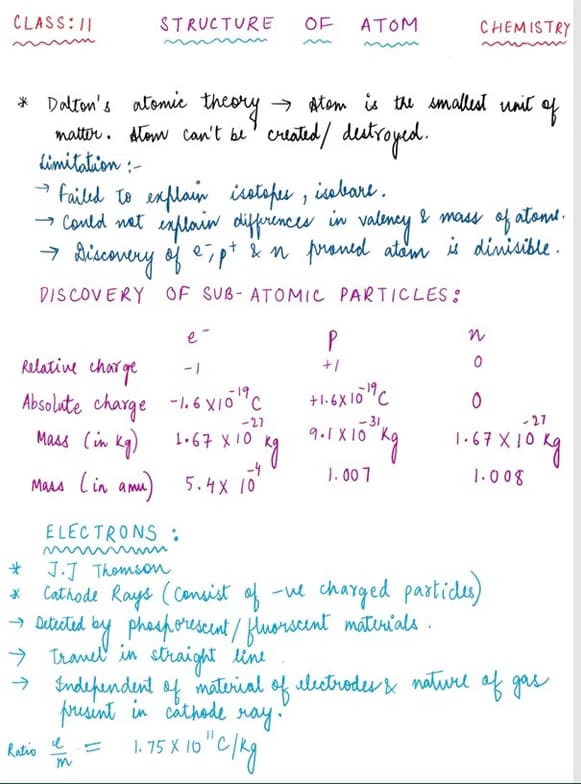
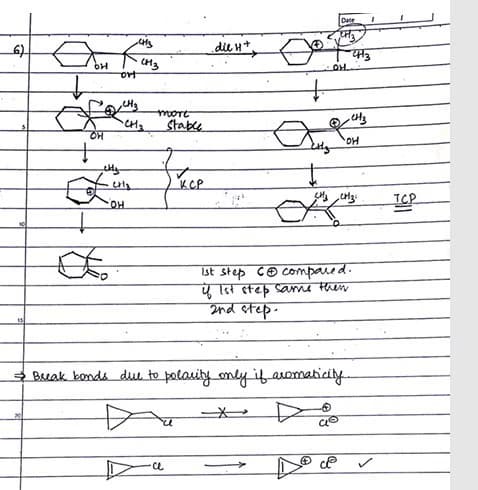
I’m Hunny Sharma, a dedicated and results-driven Chemistry tutor with a Master’s degree and over 3 years of teaching experience. I specialize in Analytical, Organic, and Inorganic Chemistry, and my core focus is on building strong conceptual understanding along with exam-oriented preparation. Over the years, I have helped students overcome their fear of Chemistry by simplifying complex topics into easy, logical steps. My teaching methodology is highly student-centric and adaptive. I design personalized study plans based on individual strengths and weaknesses, ensuring steady progress and confidence building. I emphasize concept clarity, problem-solving speed, and accuracy, which are crucial for competitive exams like JEE, NEET, and other entrance tests. I also integrate real-world applications and practical insights to make learning more engaging and relatable. In addition to regular teaching, I provide structured revision sessions, doubt-solving support, mock tests, and performance analysis to track improvement. I use visual aids, short tricks, and smart strategies to help students retain concepts effectively and perform under exam pressure. I have worked with both High School and Middle School students, consistently helping them achieve better grades and a deeper understanding of the subject. My goal is not just to teach, but to mentor students so they can approach Chemistry with confidence and clarity. Let’s not just learn Chemistry—let’s master it and achieve excellence together! 🚀
Meet Hunny
Hunny graduated from IIT Madras


Specialities of your chemistry tutor

Homework help

Personalized learning plans

Chemistry lab skills
Career guidance

GCSE (UK)

A-Levels (UK)

Advanced Placement (AP) Program (USA)

Next Generation Science Standards - NGSS (USA)

International Baccalaureate (IB)
 CoTutor
AI modules
Summary
Podcast
Quiz
Learnings
Flashcard
Spotlight
Zero Risk Guaranteed
15-days refund
Free tutor swap
No cancel fee
1-yr validity
24/7 support
Types of learners for chemistry class

High School students
Middle School students
None of the above
Your chemistry tutor also teaches

Chemistry
Organic Chemistry
Chemical Reactions
Physical Chemistry
Inorganic Chemistry
Analytical Chemistry

Chemistry concepts taught by Hunny
The tutor and student reviewed the Aldol condensation reaction, a fundamental concept in organic chemistry. They discussed the role of alpha-hydrogens, the reaction mechanism involving enolate formation and nucleophilic attack, and the dehydration step to form unsaturated carbonyl compounds. The tutor also confirmed that future sessions will follow the student's provided PowerPoint materials.
Aldol Condensation Overview
Alpha Hydrogen and Carbon
Nucleophiles and Electrophiles
Resonance Stabilization
The Tutor introduced the topic of electrochemistry, covering the conversion of energy types in electrochemical cells and the spontaneity of reactions. The Tutor explained the components and function of a galvanic cell, including half-cell reactions, the role of the salt bridge, and cell representation. The concepts of electrode potential, reducing/oxidizing agents, and the Nernst equation were also discussed, preparing the Student for further study.
Electrochemical Cells: Galvanic vs. Electrolytic
Galvanic Cell Operation: Anode
Cathode
and Electron Flow
The Role of the Salt Bridge
Cell Representation and Standard Electrode Potential
The Nernst Equation
The Tutor and Student reviewed acid-base titrations, covering strong acid-strong base, weak acid-strong base, and weak base-strong acid scenarios, including their titration curves, buffer regions, and indicator selection. They also practiced identifying acid strengths from titration curve shapes and discussed the relationship between Ka and pKa. The next session will cover electrochemistry and the Nernst equation.
Titration Curves and Indicators
Acid-Base Titration Basics
Acid Strength Comparison
pH Calculations for Different Titration Types
The Tutor and Student reviewed concepts related to precipitation, the common ion effect, and ocean acidification, including the chemical reactions involved and their impact on marine ecosystems. They also began discussing acid-base titrations, defining key terms and the function of indicators. The next session is planned to cover titration graphs.
Precipitate Formation and Ksp
Common Ion Effect
Ocean Acidification Chemistry
Acid-Base Titration and Indicators
The Tutor and Student reviewed the concepts of solubility and solubility product (Ksp) in chemistry, including deriving the formula for Ksp and applying it to solve various example problems. They also discussed the relationship between Ksp and the ionic product (IP) to predict precipitation. The next session will cover ocean acidification and acid-base titration.
Solubility Product (Ksp)
Special Case: Hg₂Cl₂ Dissociation
Ionic Product (IP) vs. Solubility Product (Ksp)
Solubility
The student and tutor reviewed buffer solutions, focusing on the pH calculation formula, effective buffer ranges, and buffer capacity. They practiced solving problems related to these concepts and began an introduction to salt hydrolysis, with the student expected to send syllabus details for future planning.
Acidic Buffer pH Calculation
Buffer Range and Effectiveness
Buffer Capacity
Types of Salts and Hydrolysis
Tools & techniques used by chemistry tutor
Digital Note taking

Digital whiteboard

Presentations

Assessments

Practice worksheets

Chemistry tutors on Wiingy are vetted for quality
Every tutor is interviewed and selected for subject expertise and teaching skill.