
Cheshta Handa
Turning Physics into Fun || Concepts , Curiosity and Clear Understanding with diverse teaching methods




Show all photos
Cheshta Handa
Masters degree
/ 55 min
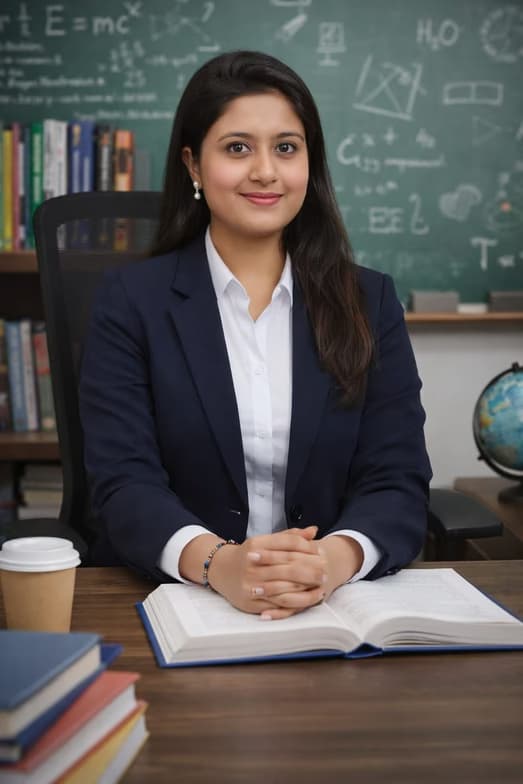
Cheshta - your physics tutor
I am a dedicated and passionate Physics educator with a strong focus on concept-based learning and problem-solving. I hold a Bachelor of Technology degree from Guru Nanak Dev University and am currently pursuing a Master’s degree in Physics. My academic background has strengthened my analytical thinking and deep understanding of physics concepts. I have several years of teaching experience, both online and offline, where I have taught Physics to students from grade 8 to grade 12. I conduct interactive classes using digital tools such as presentations, simulations, and digital whiteboards to make learning engaging and easy to understand. My teaching style focuses on simplifying complex concepts using real-life examples and step-by-step problem-solving methods. I encourage students to ask questions and actively participate in discussions to build confidence and curiosity in the subject. My goal as a teacher is not only to help students perform well in exams but also to develop their conceptual understanding and critical thinking skills so they can apply physics in real-life situations. I am dedicated in giving my best service to help our students and nation grow !
Meet Cheshta
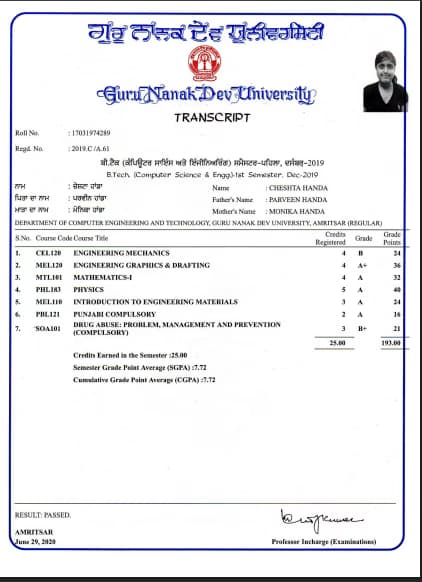
Cheshta graduated from Guru Nanak Dev University


Academic expertise of your physics tutor

GCSE (UK)

Homework help

Test prep strategies
Visual learning

Australian Curriculum (AU)

Advanced Placement (AP) Program (USA)
Review sessions
Physics lab skills
 CoTutor
AI modules
Summary
Podcast
Quiz
Learnings
Flashcard
Spotlight
Zero Risk Guaranteed
15-days refund
Free tutor swap
No cancel fee
1-yr validity
24/7 support
Student types for physics class

ADHD

High School students

Learning Disabilities

Anxiety or Stress Disorders

ASD

Home schooled

Physics concepts taught by Cheshta
The student and tutor worked through practice problems related to radiation dosimetry, covering calculations for equivalent dose, effective dose, and collective dose. The session also involved a discussion about a technical issue with lesson purchases and how to resolve it.
Absorbed Dose and Units
Equivalent Dose (H)
Effective Dose (E)
Collective Dose (DC)
Radiation Weighing Factors (WR) and Tissue Weighting Factors (wT)
The Tutor and Student reviewed key concepts in radiation physics, including Linear Energy Transfer (LET), stopping power, Relative Biological Effectiveness (RBE), and the biological effects of radiation. They discussed direct and indirect radiation damage, the oxygen effect, and radiation protection principles like justification, optimization, and dose limitation. The session also covered dose calculations, including equivalent dose and effective dose, and concluded with a plan to practice numerical problems in the next session.
Linear Energy Transfer (LET)
Oxygen Effect
Delta Rays
Relative Biological Effectiveness (RBE)
Stopping Power
The tutor and student reviewed and practiced problems related to radiation dosimetry and mammography. They worked through specific calculations and discussed theoretical concepts like linear energy transfer (LET) and its implications. The next session is scheduled to cover new topics, building on the foundational concepts discussed.
Linear Energy Transfer (LET)
Absorbed Dose and Biological Damage
Random Interactions in Radiobiology
Balancing Dose and Image Quality
The Tutor and Student worked through a series of practice problems related to geometry, charged particle equilibrium, photon interactions, and mammography dosimetry. The session involved problem-solving, formula application, and concept review, with a focus on understanding dose calculations and factors affecting them in mammography. The Tutor planned to continue with assignment problems and the next section of topics in future sessions.
Mean Breast Tissue Absorbed Dose
Image Quality vs. Radiation Dose
Factors Affecting Breast Dose
Mean Glandular Dose (DG)
The session involved a detailed review and practice of physics concepts including energy fluence, absorbed dose, kerma, and exposure. The student worked through numerous practice problems from a worksheet, with the tutor providing explanations and clarifications. They also reviewed formulas for photon fluence and energy fluence, with plans to continue practice in subsequent sessions.
Photon Fluence and Energy Fluence
Exposure
Absorbed Dose
Energy Fluence
Kerma (Kinetic Energy Released in Material)
The student and tutor worked through a practice worksheet covering energy fluence, absorbed dose, and exposure calculations. They reviewed multiple-choice questions and problem-solving exercises, reinforcing formulas and concepts. The session concluded with a discussion about scheduling future sessions and upcoming tests.
Energy Fluence
Total Energy Calculation
Absorbed Dose and Mass Energy Absorption Coefficient
Exposure and its Units
Energy Imparted
Classroom tools used by physics tutor

Flashcards
Interactive diagrams

Practice worksheets

Assessments

Presentations
Video conferencing
Interactive 3D models

Physics tutors on Wiingy are vetted for quality
Every tutor is interviewed and selected for subject expertise and teaching skill.
