
Aarti Devi
Engage in captivating chemistry lessons with a knowledgeable tutor to build strong concepts



Show all photos
Aarti Devi
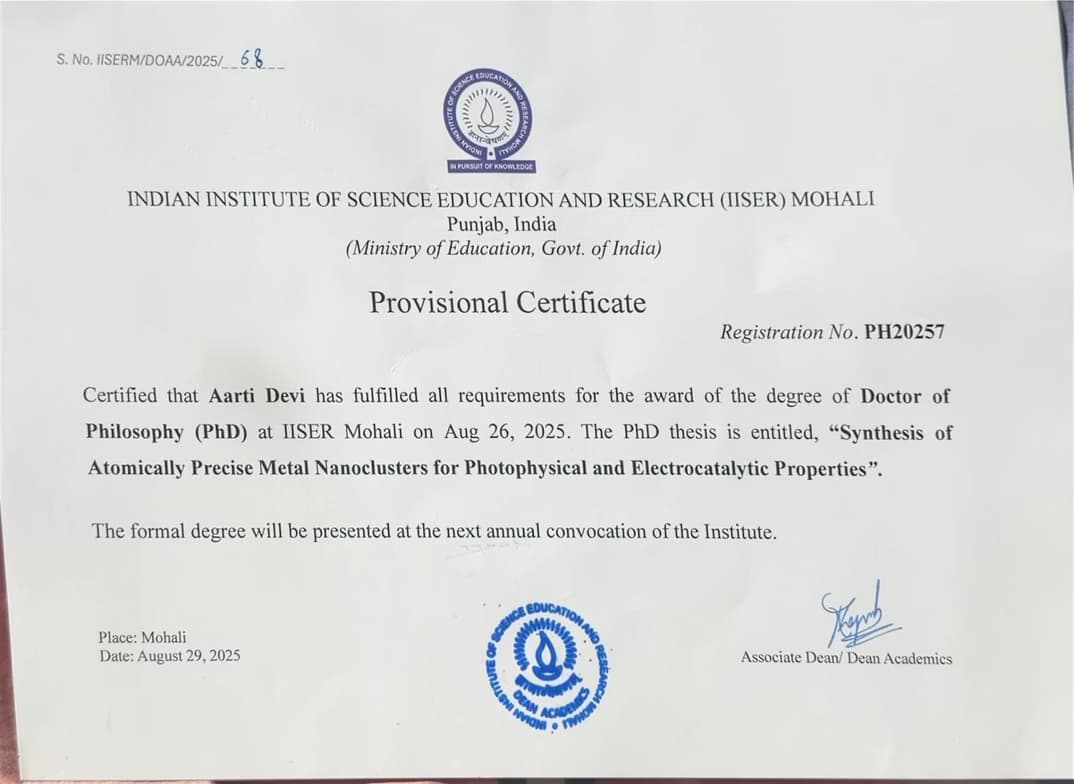
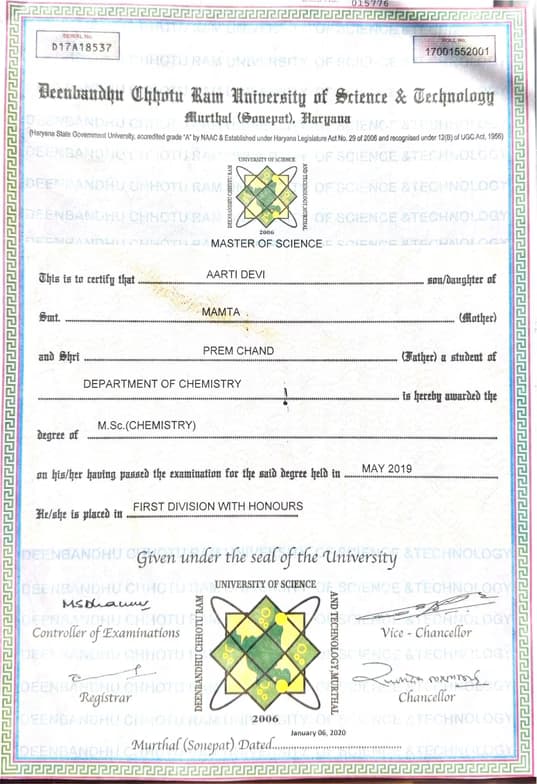
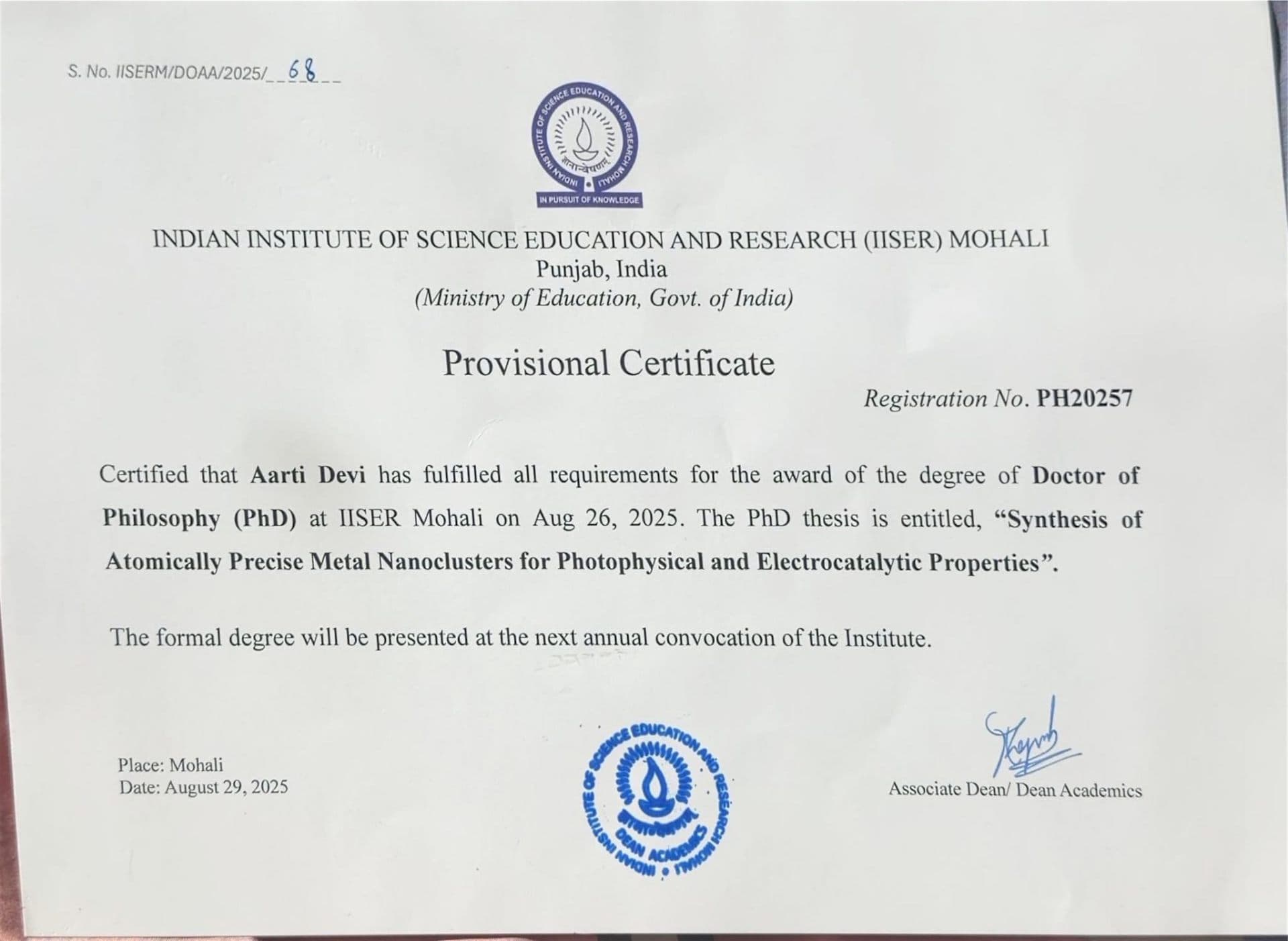
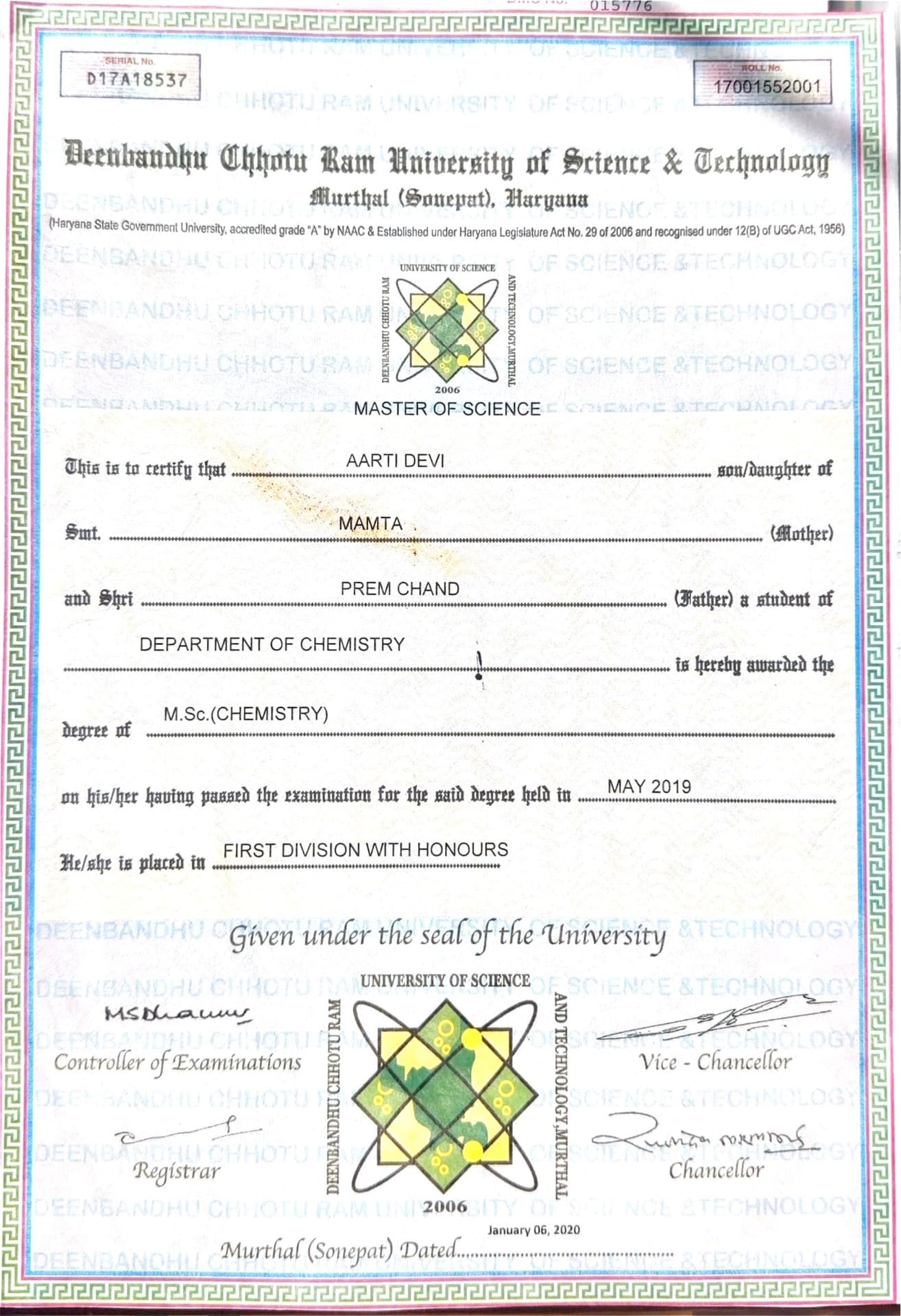
Doctorate degree
/ 55 min
Aarti Your chemistry tutor
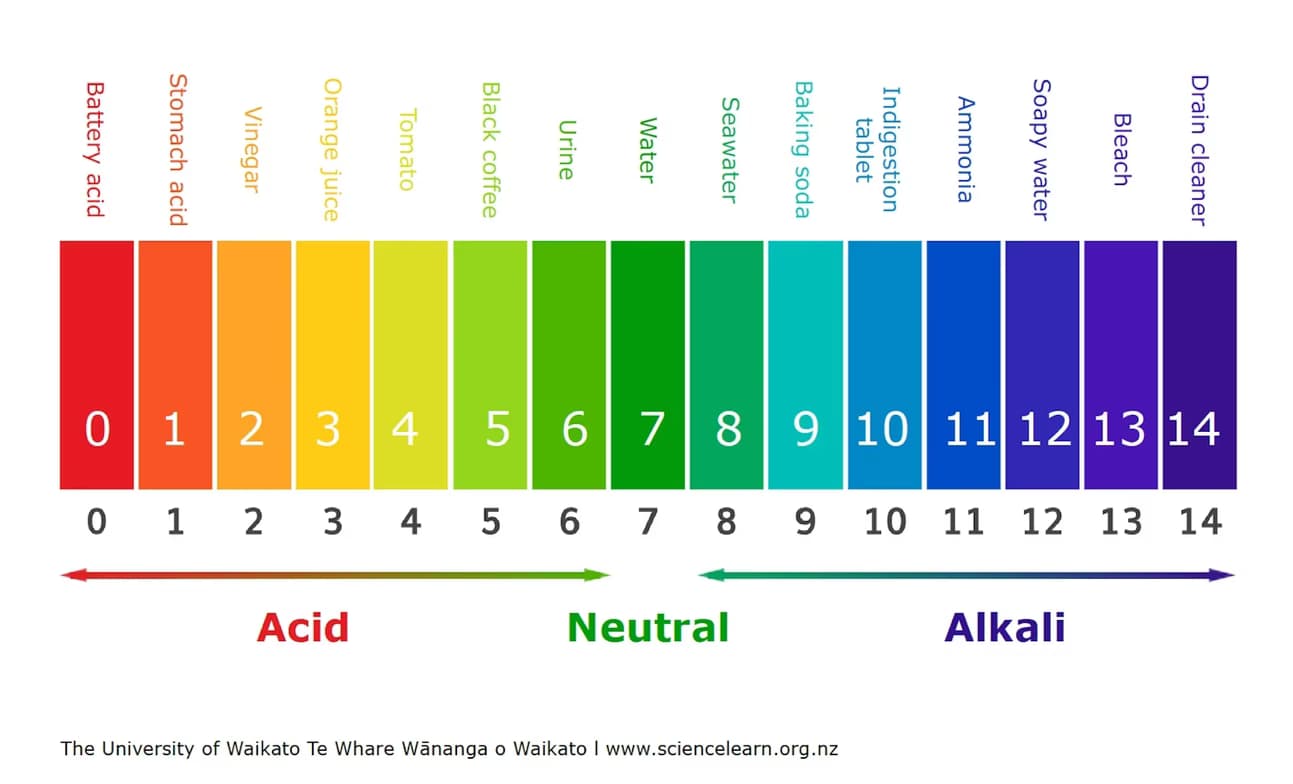
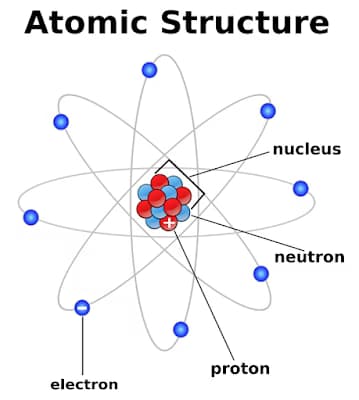
I’m Aarti Devi, a dedicated online Chemistry tutor with over five years of experience teaching middle school, high school, and college students. I provide personalized instruction in core topics such as acids, bases and pH, organic chemistry, physical chemistry, electrochemistry, and general chemistry fundamentals. My teaching approach emphasizes conceptual clarity, step-by-step problem solving, and strong foundations that support long-term academic success. I have extensive experience in exam preparation, including board exams, competitive entrance tests, and university-level assessments. I also guide students in laboratory concepts, practical chemistry activities, data interpretation, and report writing to strengthen their experimental understanding. My lessons integrate visual learning tools, reaction mechanisms, diagrams, and real-life applications to make complex topics easier and more engaging. I design structured revision plans, regular assessments, and doubt-clearing sessions to track progress and reinforce learning. My goal is to build confidence, improve academic performance, and foster genuine interest in chemistry.
Meet Aarti
Aarti graduated from Indian institute of Science Education and Research
Specialities of your chemistry tutor

Chemistry lab skills

Chemistry experiments

Career guidance
Personalized learning plans
Review sessions
Real world application
Visual learning
 CoTutor
AI modules
Summary
Podcast
Quiz
Learnings
Flashcard
Spotlight
Zero Risk Guaranteed
15-days refund
Free tutor swap
No cancel fee
1-yr validity
24/7 support
Types of learners for chemistry class

Middle School students
College students

ASD

Home schooled
High School students
Chemistry class overview
I specialize in teaching a broad range of Chemistry topics, including Chemical Bonding, Organic Chemistry, and other core areas, to middle school, high school, and college students. Before beginning instruction, I assess each student’s current understanding, strengths, and areas for improvement. This allows me to tailor lessons according to their academic needs and learning pace. Whether a student is struggling with fundamentals or aiming to master advanced concepts, I adapt my teaching strategies to support their goals. Conceptual clarity is the foundation of my teaching. Instead of rote memorization, I emphasize understanding the “why” behind each concept. I break down complex topics into simple, manageable parts and explain them using relatable examples and real-world applications. This helps students connect theoretical knowledge to practical situations, making learning more meaningful and long-lasting. I regularly check for understanding through questions, discussions, and problem-solving exercises to ensure students are actively engaged throughout the lesson. To enhance the online learning experience, I integrate various technology-based tools into my sessions. The use of technology also encourages participation and keeps students motivated during online sessions.

Chemistry concepts taught by Aarti
The tutor and student reviewed key organic chemistry concepts including Grignard reagents, protecting groups (TMS), and various reactions of alcohols such as substitution, elimination, and oxidation. They discussed reaction mechanisms, typical reagents, and products, and planned to review practice problems for an upcoming exam.
Grignard Reagents
Protecting Groups (TMS)
Reactions of Alcohols: SN1 vs. SN2
Alcohol Oxidation
Dehydration of Alcohols
The class focused on reviewing alkyne reactions including acid-catalyzed hydration, ozonolysis, and alkylation. The Tutor and Student also delved into the properties, classification, nomenclature, and acidity of alcohols and phenols, as well as methods for preparing alcohols. They planned to cover alkanes and cycloalkanes in the next session.
Acid-Catalyzed Hydration of Alkynes
Ozonolysis of Alkynes
Alkylation of Alkynes
Alcohols vs. Phenols
Acidity of Alcohols and Phenols
The Tutor and Student reviewed the properties, preparation, and reactions of alkynes, comparing them to alkenes. They discussed hybridization, acidity, elimination reactions, reduction via hydrogenation (leading to alkanes, cis-alkenes, or trans-alkenes), hydrohalogenation, acid-catalyzed hydration (including tautomerization to ketones), and hydroboration-oxidation. The session prepared the Student for an upcoming exam covering these topics.
Alkynes: Structure and Hybridization
Preparation of Alkynes via Elimination
Reactions of Alkynes: Reduction and Addition
Tautomerization in Alkyne Hydration
The Tutor and Student reviewed the reactions of epoxides, focusing on ring-opening mechanisms, regioselectivity, and stereochemistry, including inversion of configuration. They also covered the nomenclature, preparation, and reactions of thiols and sulfides, including oxidation and the role of dimethyl sulfide as a reducing agent. Follow-up study was recommended for upcoming topics like alkenes and alkynes.
Epoxide Ring Opening Reactions
Thiols (Mercaptans)
Sulfides (Thioethers)
The Tutor and Student reviewed the preparation and reactions of ethers, focusing on Williamson ether synthesis and acidic cleavage. They then transitioned to epoxides, discussing their nomenclature, preparation via peroxy acids and halo-hydrin intermediates, and the stereospecificity of these reactions. The next session was scheduled to cover remaining topics.
Williamson Ether Synthesis
Acidic Cleavage of Ethers
Epoxide Formation: Peroxy Acids
Epoxide Formation: Halohydrin Route
The Tutor and Student reviewed various addition reactions in organic chemistry, including hydrohalogenation, halogenation, hydration, hydroboration-oxidation, hydrogenation, and dihydroxylation, focusing on regioselectivity and stereochemistry. They also began introducing new functional groups like ethers, epoxides, thiols, and sulfides, discussing their basic structures and properties. The Student will continue to practice these concepts in upcoming sessions.
Hydroboration-Oxidation
Dihydroxylation
Halogenation and Halo hydrin Formation
Hydrogenation of Alkenes
Hydration of Alkenes
Hydrohalogenation (Addition of HX)
Oxidative Cleavage (Ozonolysis)
Tools & techniques used by chemistry tutor
Digital Note taking

Practice worksheets
Video conferencing
Interactive diagrams

Presentations
Interactive chemistry lessons

Parent feedback

Chat for quick help

Weekend lessons

Note taking

Open Q&A

Chemistry tutors on Wiingy are vetted for quality
Every tutor is interviewed and selected for subject expertise and teaching skill.
