
Gian Sumibcay
Creative Piano Lessons with Music Theory — Learn Chord Progressions, Arrange Music, and Build a Strong Foundation for Composing
Loading...


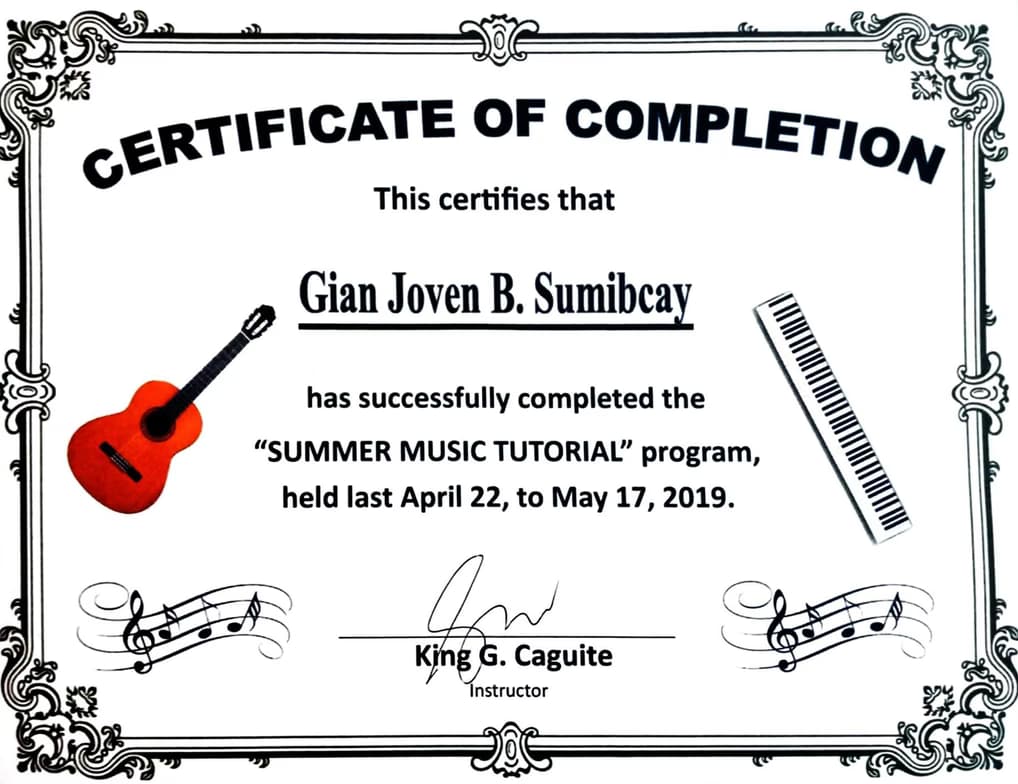
Show all photos
Gian Sumibcay
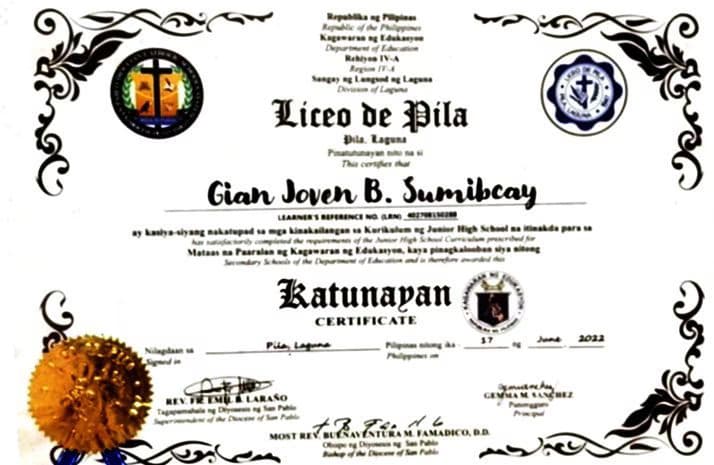
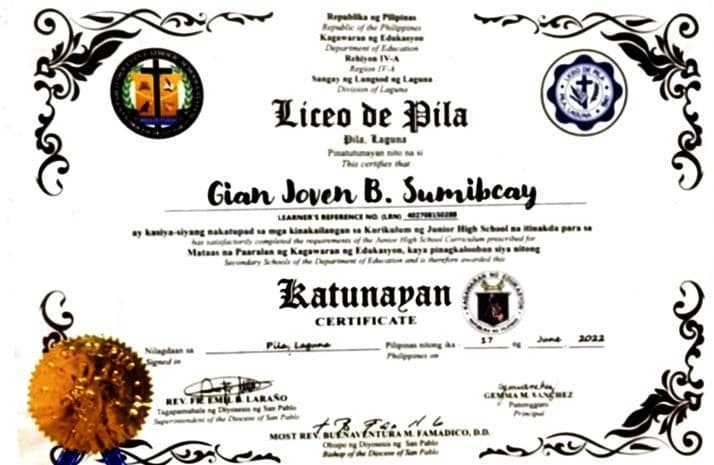
Diploma degree
/ 55 min
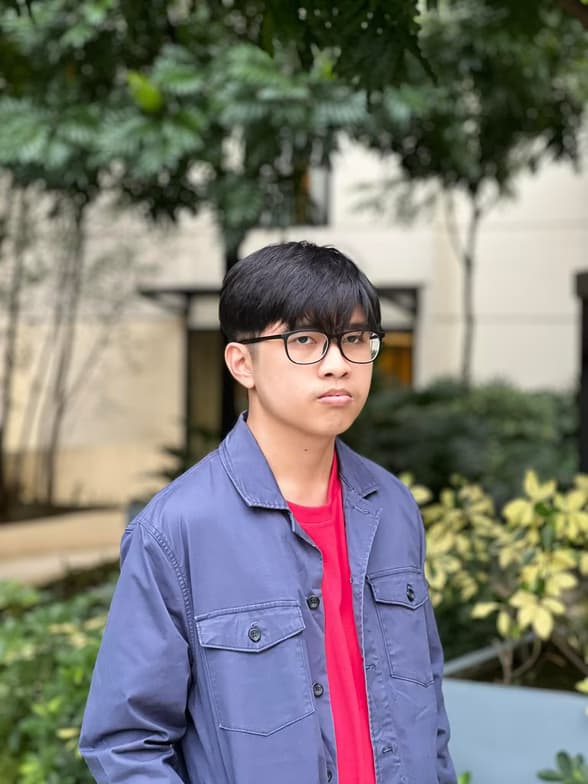
Gian - Your piano teacher
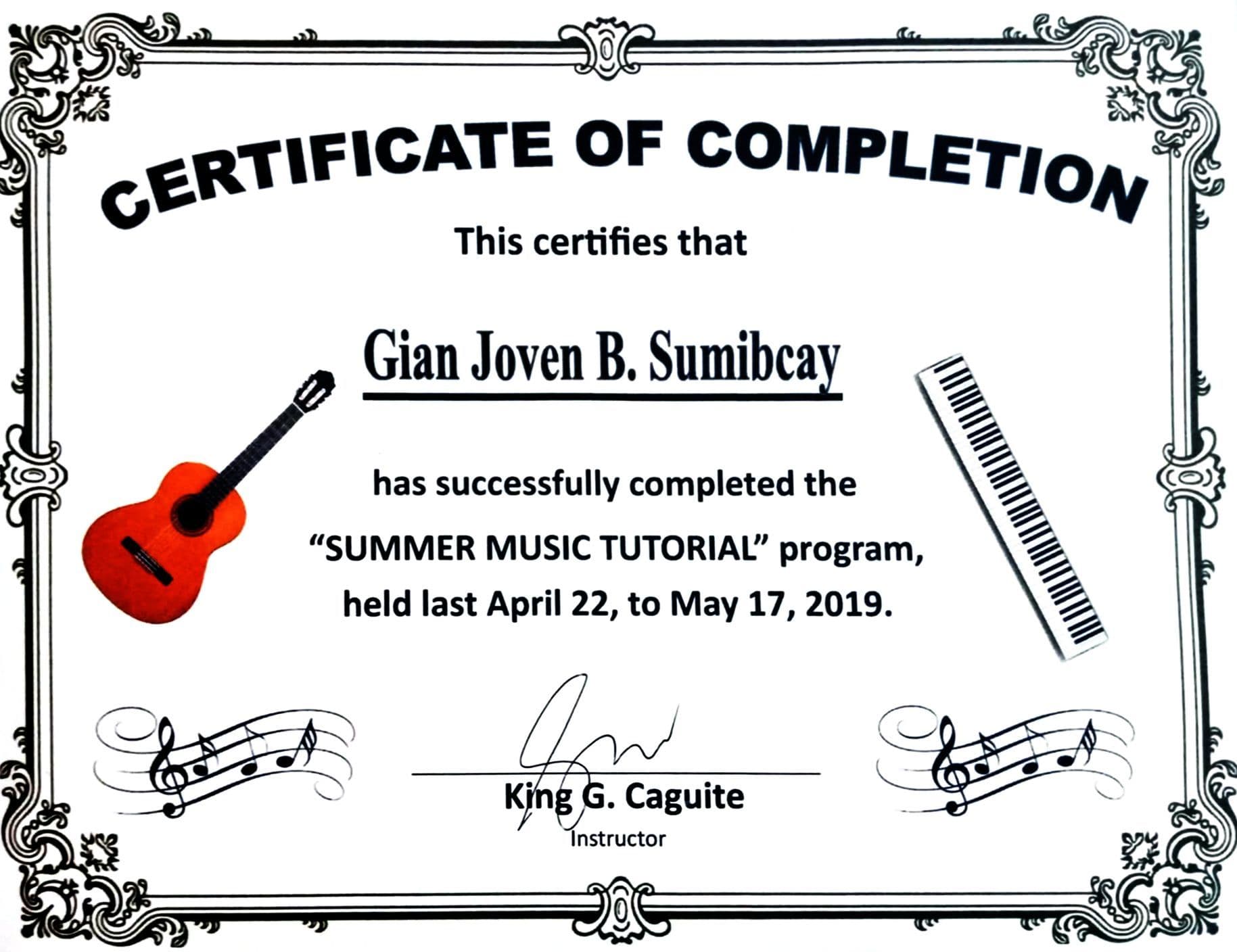
Provided piano instruction to children and teenagers, including one-on-one lessons with young learners and teen students within a church setting. Guided students in developing fundamental piano techniques, music reading skills, rhythm, and musical expression, adapting teaching methods to suit different ages and learning paces. Successfully taught over ten students in total, demonstrating patience, clarity, and the ability to foster musical growth and confidence. Additionally offered instruction in basic music concepts and introductory guidance on other instruments, supporting students’ broader musical development. To provide piano instruction that not only develops technical skills but also familiarizes students with common chord progressions as a musical language, enabling them to approach harmony creatively and build a strong foundation for composing and arranging their own music.
Meet Gian
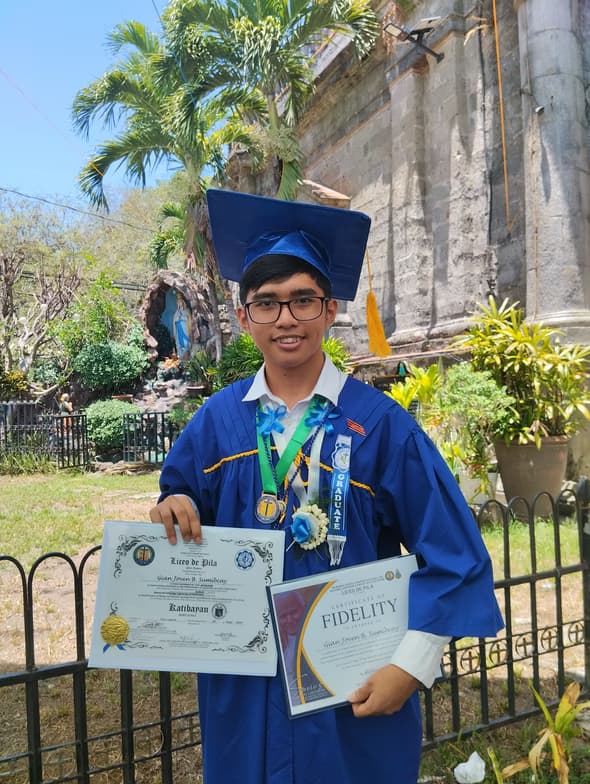
Gian graduated from Liceo de Pila
Your piano teacher skills

Improvisation
Chord Theory

Ear training
Rhythm and Timing
Piano Repertoire
Pedaling Techniques
Piano Technique
Finger Placement & Hand Position
Types of learners for piano lessons

Piano for kids
Piano for beginners
Piano for intermediate
Piano for adults
Piano lessons at a glance
To provide piano instruction that not only develops technical skills but also familiarizes students with common chord progressions as a musical language, enabling them to approach harmony creatively and build a strong foundation for composing and arranging their own music. To provide piano instruction that integrates music theory and practical application, helping students understand and normalize common chord progressions as a musical language. Through this approach, I aim to develop students’ creativity and equip them with the harmonic and theoretical foundation needed to confidently compose and arrange their own music. I will provide piano instruction that integrates music theory and practical application, helping students understand and normalize common chord progressions as a musical language. Through this approach, I aim to develop students’ creativity and equip them with the harmonic and theoretical foundation needed to confidently compose and arrange their own music. By learning piano as a core instrument, students are encouraged to adapt more easily to other instruments and become familiar with essential musical concepts such as the circle of music.
Different types of piano lessons

Piano
Digital Piano
Upright Piano

.svg)
15 days Refund
.svg)
Free Tutor Swap

Piano concepts taught by Gian
The Tutor and Student worked on learning and practicing the introduction of the song "Photograph." This involved reviewing music theory concepts like scales and chords, and then applying them to play the song's intro on the keyboard, with a focus on chord progressions and melody execution.
Musical Structure: Intro
Verse
and Pre-Chorus
Chord Progressions in 'Photograph'
G Major Scale and Chords
Melody and Harmony Integration
The Tutor and Student explored music theory, focusing on chord progressions, families of chords, and musical keys. They practiced identifying chord relationships and transposing melodies between keys, with a goal to improve the Student's ear training and understanding of musical structure.
Chord Families and Relationships
Musical Keys and Transposition
The Circle of Fifths
Ear Training and Melody Recognition
The Student and Tutor worked on learning to play the accompaniment for the song "Photograph" on the piano. They practiced specific chord progressions, rhythmic patterns, and melody sections for the verse, pre-chorus, and chorus. The Tutor plans to send supplementary video material, and the next lessons will cover music theory and finish the practical application of the song.
Piano Chord Accompaniment
Rhythmic Patterns and Counting
Melody vs. Accompaniment
Chord Progressions and Transitions
The student and tutor focused on learning and memorizing various major and minor piano scales, including their specific note sequences and alterations. They practiced reciting and playing scales and explored the concept of relative scales in music theory, with future lessons planned for practical application.
Major Scales
Minor Scales
Relative Major and Minor Scales
Sharp and Flat Scales
The student and tutor focused on music theory, specifically covering octaves and a comprehensive range of major and minor chords. The student practiced identifying notes within octaves and recalling the notes that form various chords, including sharp and flat keys. The lesson aimed to build a strong theoretical foundation for piano playing.
Octaves
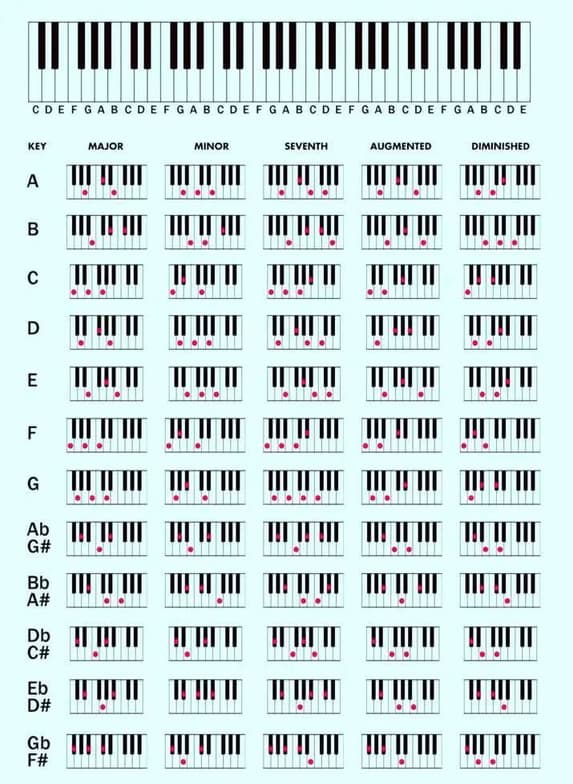
Musical Chords
Enharmonic Equivalents
Chord Construction (Major & Minor)
The Student learned and practiced scales (C major, D major, and E major) on the piano. They then worked on combining chords and melody for the song "Falling Leaves," focusing on the first and second parts, practicing the riffs. The Tutor will send a video of the complete arrangement and introduce music theory in a future lesson.
Chords
Combining Melody and Chords
Riffs
Melody
Scales
Approach & tools used in piano classes
Ear Training Software
Metronome Apps
DAWs
Chord & Scale Reference Apps
PDF Sheet Music Libraries
Virtual Piano Apps
Interactive piano lessons

Weekend lessons

Open Q&A

Parent feedback

Note taking

Pets are welcomed

Piano teachers on Wiingy are vetted for quality
Every tutor is interviewed and selected for subject expertise and teaching skill.