
Purvai Thakur
Concept-Based Mathematics Teaching to Build Strong Foundations and Exam Confidence
Loading...


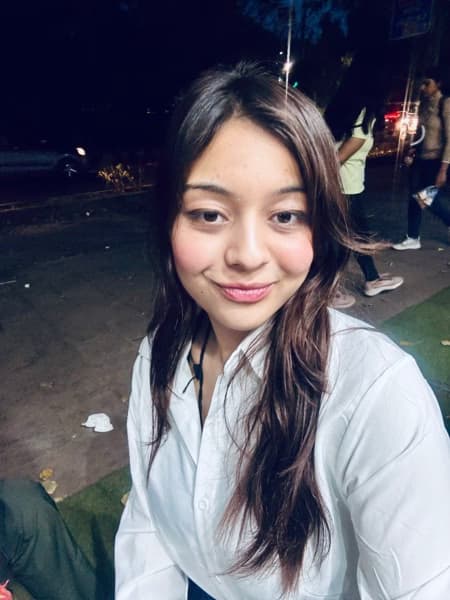
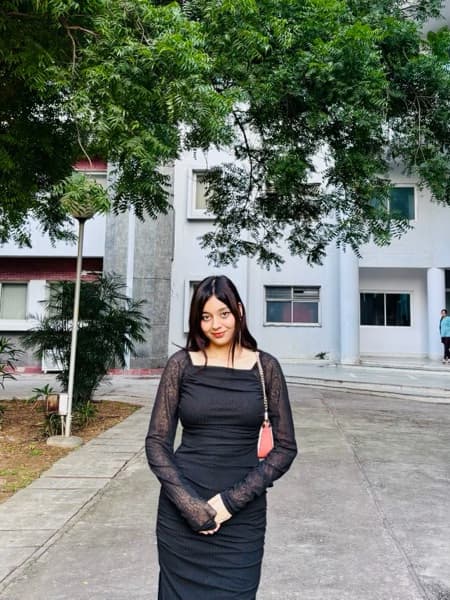



Show all photos
Purvai Thakur
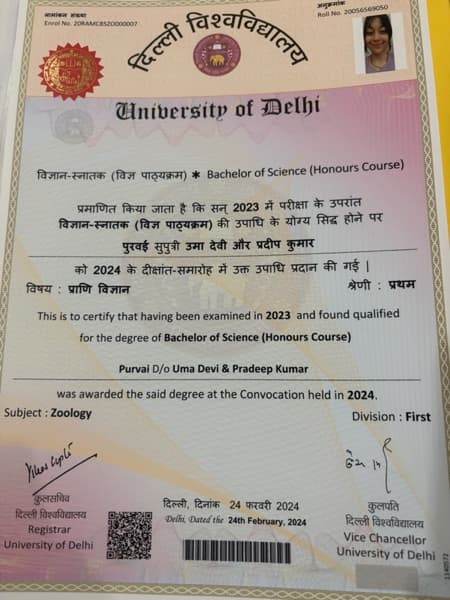
Bachelors degree
Enroll after the free trial
Each lesson is 55 min
50 lessons
20% off
/ lesson
30 lessons
15% off
/ lesson
20 lessons
10% off
/ lesson
10 lessons
5% off
/ lesson
5 lessons
-
/ lesson
1 lessons
-
/ lesson
Purvai - Know your tutor
I am a dedicated and patient Mathematics tutor with a strong academic background and a genuine interest in helping students understand concepts clearly rather than memorizing formulas. I teach Mathematics up to high school level and focus on building a strong foundation in topics such as algebra, geometry, trigonometry, arithmetic, and basic statistics. My teaching style is student-centred and adaptable, meaning I adjust my pace and methods according to each student’s level and learning style. I believe Math becomes easy and interesting when concepts are explained step by step with real-life examples and plenty of practice. During my classes, I encourage students to ask questions freely and actively participate, so they feel confident instead of anxious about the subject. I regularly use problem-solving techniques, visual explanations, and practice questions to strengthen understanding and accuracy. I also help students improve their exam performance by focusing on clarity, speed, and correct methods of solving questions. Regular revision, doubt-clearing sessions, and targeted practice are an important part of my teaching approach. My goal is to help students not only score better in exams but also develop logical thinking and confidence in Mathematics that stays with them beyond the classroom.
Meet Purvai
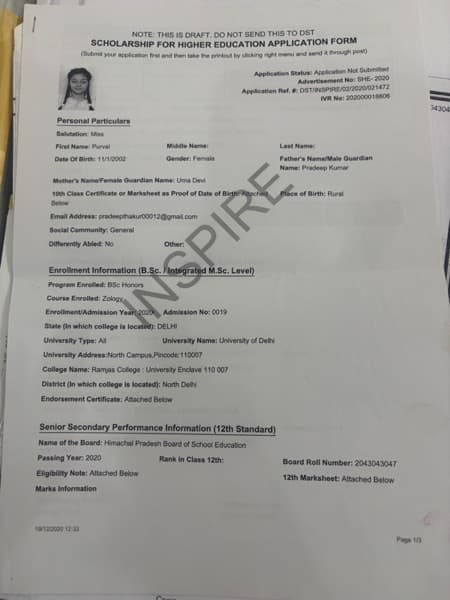
Purvai graduated from Ramjas collage Delhi University
Specialities of your tutor

Mental Math

State-Specific Standards (USA)

Problem Solving

Common Core State Standards - CCSS (USA)

Exam Simulation

Practice Tests

Learning Plans

Test Strategy

Test prep strategies

International Baccalaureate (IB)

Practice Drills

Provincial-specific curriculum (CA)
Student types for classes

ASD

ADHD

Elementary School students

Learning Disabilities

Anxiety or Stress Disorders

Home schooled
Middle School students
Class overview
My teaching methodology is focused on clarity, consistency, and confidence-building. I begin every topic by explaining the basic concepts in a simple and structured way, ensuring the student clearly understands the “why” behind each step before moving to problem-solving. I believe that Mathematics becomes easier when fear is removed, so I create a comfortable and supportive learning environment where students can ask doubts without hesitation. I use step-by-step explanations, examples of increasing difficulty, and regular practice questions to strengthen conceptual understanding. Visual explanations, shortcuts (where appropriate), and logical breakdown of problems are an important part of my teaching, especially for topics like algebra, geometry, and trigonometry. I regularly assess students through short tests, homework discussions, and revision sessions to track progress and identify weak areas. My methodology also includes exam-oriented preparation. I teach students how to approach questions, manage time during exams, and avoid common mistakes. Revision, formula reinforcement, and practice of previous exam-style questions are done regularly. I adapt my pace and teaching style based on the student’s learning level and academic goals. Overall, my aim is not only to help students score better but also to develop strong analytical thinking and long-term confidence in Mathematics.
Purvai also teaches
Elementary School Math
Middle School Math
Math
Flexible Scheduling
Allows 1h early scheduling
Allows 1h early rescheduling
Can wait for 20 mins after joining

.svg)
10 day Refund
.svg)
Free Tutor Swap

Mathematics concepts taught by Purvai
The tutor and student worked through a series of complex genetics problems covering chromosomal deletions, meiosis, genetic mapping, PCR primer design, DNA transcription and translation, gene regulation, and molecular cloning techniques. They analyzed mutations, predicted offspring phenotypes, and practiced selecting appropriate tools for genetic engineering. The session aimed to reinforce concepts for an upcoming exam.
Map Distance and Recombination Frequency
PCR Primer Design and Application
Gene Expression: Transcription and Translation
Chromosomal Rearrangements: Inversions
Meiotic Pairing and Deletion Loops
The tutor and student reviewed molecular biology concepts, including transcription, translation, codons, and mutations. They practiced identifying coding sequences from DNA, converting them to mRNA, and predicting protein sequences, as well as analyzing gene expression data from RNA sequencing and solving problems related to restriction enzyme activity and biochemical pathways. The next session will cover remaining questions and potentially microbiology topics like PCR.
Translation: From DNA to Protein
Mutations: Altering the Genetic Code
Gene Expression and RNA Sequencing
Restriction Enzymes and DNA Ligation
Biochemical Pathways and Metabolic Mutations
The Tutor and Student reviewed the process of transcription, focusing on its definition, the types of RNA produced, and the roles of DNA strands and regulatory elements. They detailed prokaryotic transcription, covering initiation, elongation, and termination mechanisms, including the function of RNA polymerase and its subunits.
Transcription: DNA to RNA
Coding and Template Strands
Upstream and Downstream Regions
Promoter Region
Cis-acting vs. Trans-acting Elements
RNA Polymerase Structure and Function (Prokaryotes)
Transcription Initiation
Elongation
The class focused on genetics, covering pedigree analysis, modes of inheritance, probability calculations for genetic traits, and gene mapping through three-point crosses. The student practiced applying these concepts to solve inheritance problems and construct genetic maps, with plans to continue practice and explore related topics.
Pedigree Analysis Basics
Modes of Inheritance
Genetic Mapping and Recombination
Meiosis and Chromosomal Abnormalities
The Tutor and Student worked through several genetics problems from an assignment, covering linkage, recombination, dihybrid crosses, epistasis, lethal alleles, and incomplete dominance. They practiced calculating gamete and offspring genotypes and phenotypes, and interpreting phenotypic ratios to infer genetic mechanisms. The next session will focus on pedigree analysis.
Lethal Alleles and Modified Ratios
Gene Symbols and Phenotypic Representation
Dihybrid Crosses and Gene Interactions
Linkage vs. Recombination
Teaching tools used by tutor

Assessment

Math Games

Visualization & Exploration

Graphing Tools

Solvers & Calculators

Digital whiteboard

Quizzes
Interactive lessons

Open Q&A

Parent feedback

Mobile joining

Record lessons

Chat for quick help

Math tutors on Wiingy are vetted for quality
Every tutor is interviewed and selected for subject expertise and teaching skill.