
Shaista Ansari
Turning Chemistry into success stories for 12+ years | BHU Postgraduate | IIT-JEE Advanced, AP, IB & IGCSE Specialist | Trusted by students
Loading...


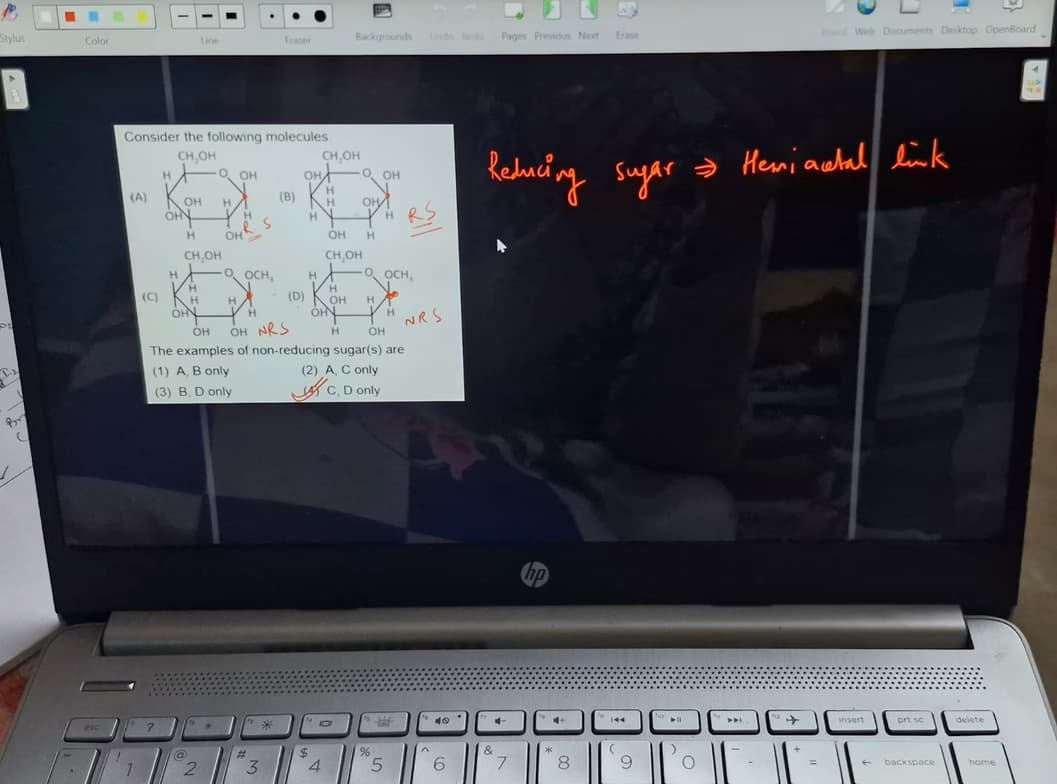


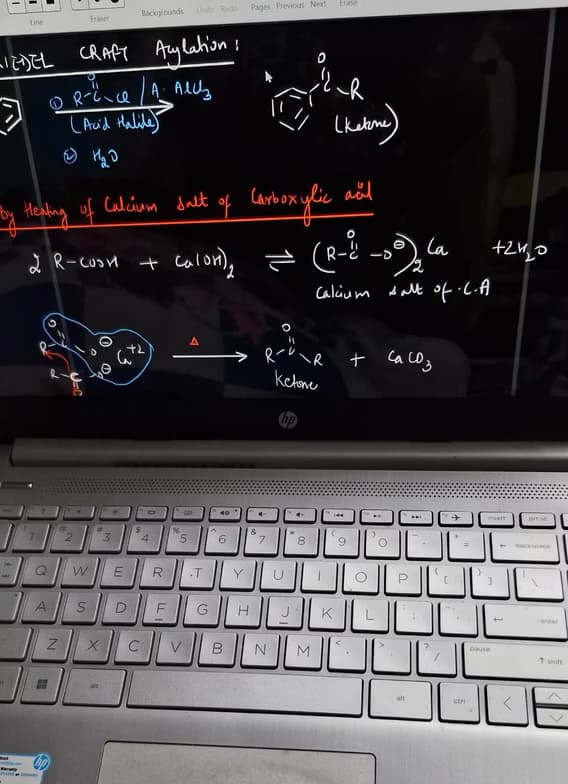
Show all photos
Shaista Ansari
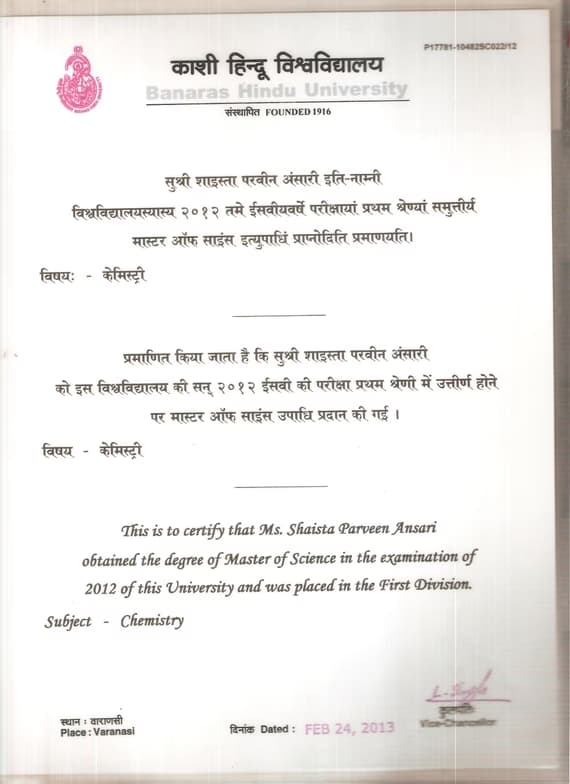
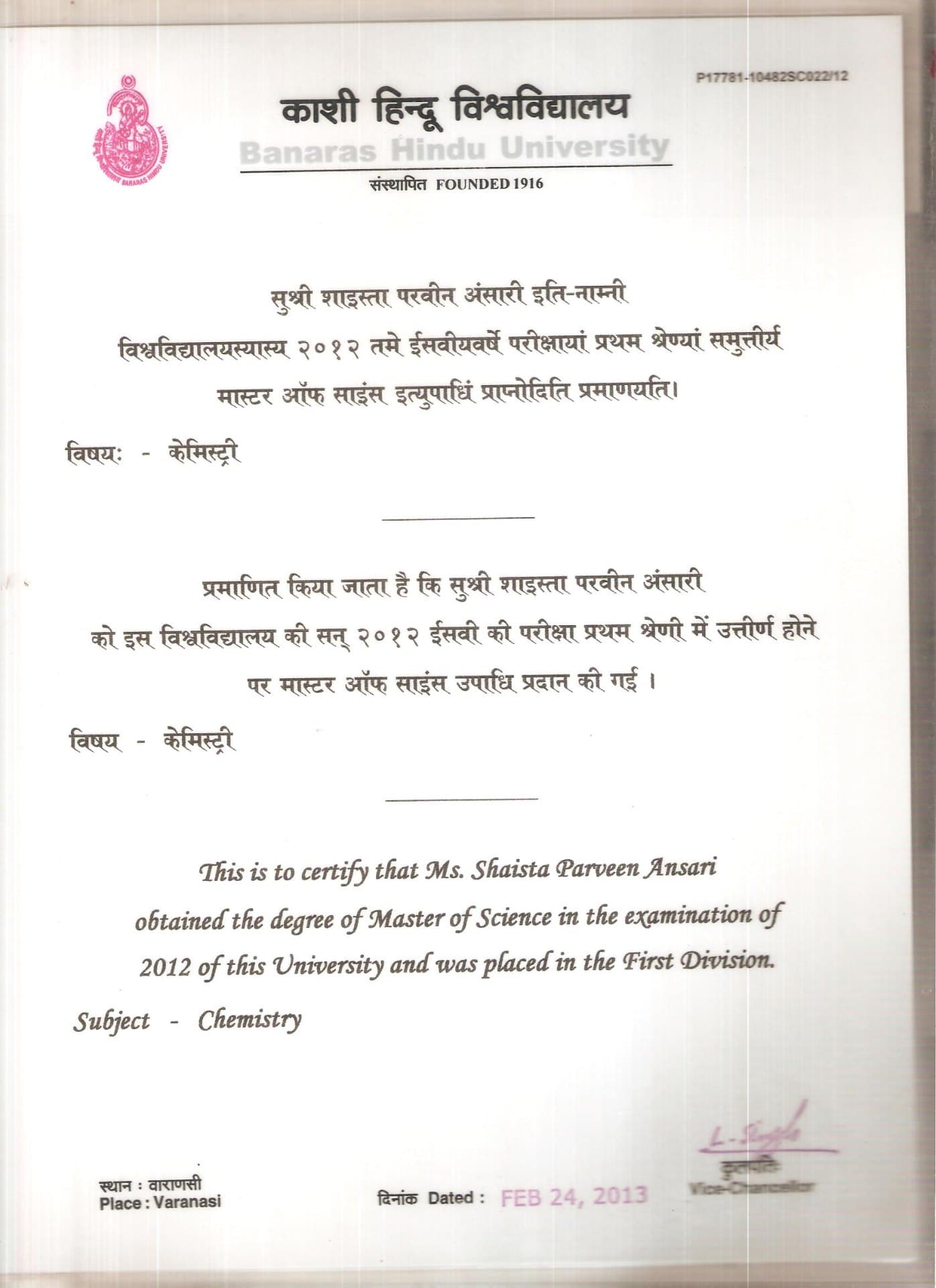
Masters degree
Enroll after the free trial
Each lesson is 55 min
50 lessons
20% off
/ lesson
30 lessons
15% off
/ lesson
20 lessons
10% off
/ lesson
10 lessons
5% off
/ lesson
5 lessons
-
/ lesson
1 lessons
-
/ lesson
Shaista Your chemistry tutor
I am Shaista Ansari, a highly experienced Chemistry tutor with over 12 years of teaching experience, specializing in Organic Chemistry. I hold a Master’s degree in Organic Chemistry from Banaras Hindu University (BHU), one of India’s most prestigious universities. I teach Chemistry at the high-school and senior-secondary level, with deep expertise in Organic Chemistry, and have taught in various reputed institutes. I have mentored many students who have secured top ranks in JEE, including JEE Advanced. I have also taught students internationally across different curricula such as AP, IB, and IGCSE, working with learners from the USA, Canada, UAE, and Europe. In addition to teaching, I have curated academic content for an esteemed e-learning app, focusing on strong conceptual clarity and exam-oriented preparation. Let's ace those tests together!
Meet Shaista
Shaista graduated from Banaras Hindu University
Specialities of your chemistry tutor

Personalized learning plans
Real world application
Visual learning

International Baccalaureate (IB)
Career guidance

A-Levels (UK)
Types of learners for chemistry class

Middle School students

Home schooled
High School students
Chemistry class overview
My teaching approach is concept-centric, strategic, and results-driven. I focus on deep concept building, breaking down even the most complex chemistry topics using models, visual explanations, and real-life examples to ensure complete clarity. I follow a comprehensive curriculum that covers a wide range of topics to cater to middle school and high school students. My strategy is simple and effective: Concept → Intensive Problem Solving → Worksheets & Exercises → Revision → Tests Each session is designed to strengthen fundamentals, sharpen analytical thinking, and build exam confidence through continuous practice and reinforcement. Chemistry doesn’t have to be memorized — it has to be understood. I excel in simplifying challenging topics, boosting confidence and achieving academic success through personalized tutoring sessions. Let’s take chemistry to the next level, together.
Your chemistry tutor also teaches

Chemistry
Organic Chemistry
Physical Chemistry
Inorganic Chemistry
Flexible Scheduling
Allows 1h early scheduling
Allows 1h early rescheduling
Can wait for 20 mins after joining

.svg)
10 day Refund
.svg)
Free Tutor Swap

Chemistry concepts taught by Shaista
The Tutor and Student explored the concept of aromaticity, using benzene as a central example. They discussed why aromatic compounds undergo electrophilic substitution rather than addition reactions, the criteria for aromaticity (Hückel's Rule), and common examples. The session also covered nomenclature for substituted benzenes, basicity of aromatic compounds, and introduced electrophilic aromatic substitution reactions.
Aromaticity and Hückel's Rule
Electrophilic Aromatic Substitution (EAS)
Reactivity Differences: Alkenes vs. Aromatic Compounds
Basicity of Nitrogen-Containing Heterocycles
Nomenclature of Substituted Benzene Rings
The student and tutor reviewed the mechanisms of electrophilic addition and free radical addition reactions of alkenes. They specifically delved into Markovnikov's rule and its anti-Markovnikov counterpart, the Kharasch effect, and discussed the conditions under which each occurs. The next session will cover aromatic compounds and their reactivity.
Electrophilic Addition to Alkenes
Free Radical Addition of HBr (Anti-Markovnikov)
Radical Stability and Reaction Feasibility
The Student and Tutor reviewed free radical chemistry, focusing on bond dissociation types, the formation and characteristics of free radicals, and their role in alkane halogenation (chlorination and bromination). They discussed reactivity versus selectivity, allylic and benzylic substitution, and began to touch on electrophilic addition reactions in alkenes.
Homolytic vs. Heterolytic Bond Cleavage
Free Radicals: Structure
Stability
and Reactivity
Free Radical Halogenation of Alkanes: Reactivity vs. Selectivity
Allylic and Benzylic Substitution
The session focused on methods for synthesizing carboxylic acids, including ozonolysis, nitrile hydrolysis, Grignard reagent reactions, and reactions involving carbon dioxide. The Student learned about carboxylic acid derivatives and their addition-elimination reactions. The next session will cover radical chemistry, including bond cleavages and dissociation energies.
Addition-Elimination Reactions of Carboxylic Acid Derivatives
Converting Carboxylic Acids to Acid Halides
Grignard Reagent with Carbon Dioxide
Nitrile Reactions
Oxidative vs. Reductive Ozonolysis
The Tutor and Student discussed nucleophilic addition to conjugated carbonyl compounds, differentiating between 1,2 and 1,4 additions and the influence of nucleophile strength. They then moved on to carboxylic acids, covering nomenclature, acidity trends, and preparation methods via oxidation and ozonolysis. The next class will continue with reactions of nitriles.
Carboxylic Acid Preparation
Acidity of Carboxylic Acids
Common Names of Carboxylic Acids
1
2 vs 1
4 Addition to α
β-Unsaturated Carbonyls
The Tutor and Student reviewed the reduction and oxidation reactions of aldehydes and ketones, including specific reagents and outcomes. They then delved into named reactions such as the Baeyer-Villiger oxidation and the Wittig reaction, practicing their mechanisms and product prediction. The next class will cover nucleophilic additions to double bonds and carboxylic acids.
Reduction of Carbonyl Compounds to Alcohols
Oxidation of Aldehydes and Ketones
Baeyer-Villiger Oxidation
Wittig Reaction
Tools & techniques used by chemistry tutor
Interactive diagrams
Video conferencing
Digital Note taking

Assessments

Digital whiteboard
Interactive chemistry lessons

Chat for quick help

Parent feedback

Note taking

Mobile joining

Record lessons

Chemistry tutors on Wiingy are vetted for quality
Every tutor is interviewed and selected for subject expertise and teaching skill.