
Vaishnavi Sharma
Transform Your Chemistry Grades with Expert Guidance, Clear Concepts, and Smart Exam Strategies
Loading...


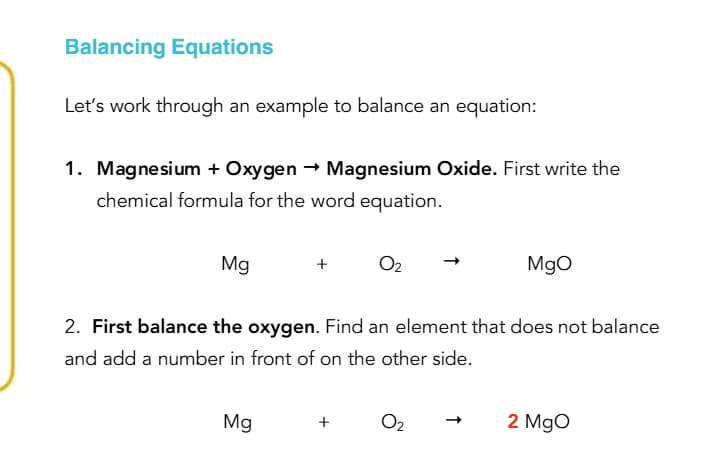


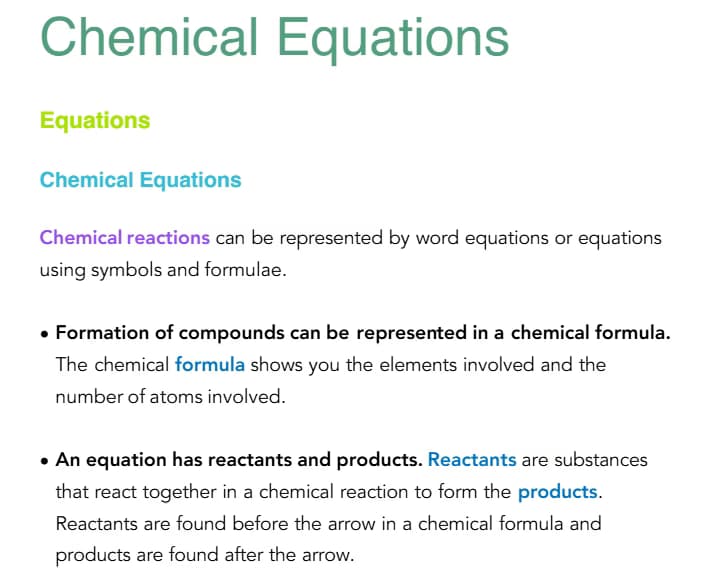
Show all photos
Vaishnavi Sharma
Masters degree
Enroll after the free trial
Each lesson is 55 min
50 lessons
20% off
/ lesson
30 lessons
15% off
/ lesson
20 lessons
10% off
/ lesson
10 lessons
5% off
/ lesson
5 lessons
-
/ lesson
1 lessons
-
/ lesson
Vaishnavi - Know your tutor
As a seasoned tutor with two master’s degrees—one in Organic Chemistry and another in Chemistry by Research—I specialize in GCSE Chemistry tutoring designed to build strong conceptual understanding and measurable grade improvement. My teaching approach includes customized lesson plans, structured revision strategies, and consistent performance tracking. I provide comprehensive study support through mock tests, targeted practice sheets, and exam-focused preparation. Whether you’re struggling with complex topics or aiming to boost your grades, I am committed to supporting your progress every step of the way. I also help students build confidence through clear goal setting, progress reviews, and interactive problem-solving sessions that strengthen analytical thinking and improve long-term retention. See you soon !!
Vaishnavi graduated from Institute of Chemical


GCSE tutor skills

Grade improvement

Practice Exams

Test prep

Concepts learning

Test taking techniques
GCSE prep overview
My teaching methodology is built on a clear, structured approach that focuses on deep understanding rather than memorisation. I begin by assessing each student’s current level, learning style, and specific challenges to design personalised lesson plans. Every concept is taught using simple explanations, real-life examples, and visual techniques to ensure clarity. I incorporate active learning through guided practice, problem-solving, and regular questioning to strengthen retention. Weekly progress checks, targeted feedback, and customised revision sessions help students stay on track and steadily improve. I also use exam-style questions, concept maps, and topic-wise assessments to build confidence and accuracy. My goal is to make students independent learners who understand the ‘why’ behind every idea, enabling them to excel both in exams and in long-term scientific thinking.
Flexible Scheduling
Allows 1h early scheduling
Allows 1h early rescheduling
Can wait for 20 mins after joining

.svg)
10 day Refund
.svg)
Free Tutor Swap

GCSE concepts taught by Vaishnavi
The Student and Tutor reviewed functional group conversions for alkenes and alkynes, covering various reactions and reagents. The Student practiced multi-step synthesis problems, focusing on applying elimination and addition reactions. They discussed Hoffman and Zaitsev elimination products and will continue with synthesis strategies involving carbonyl molecules in future sessions.
Alkene Reactions: Hydrohalogenation
Alkene Reactions: Hydration
Alkene Reactions: Hydroboration-Oxidation
Alkyne Reactions: Elimination Reactions
Alkyne Reactions: Addition Reactions
Alkyne Reactions: Reduction
Elimination Reactions: Regioselectivity
The session focused on electron pushing and rearrangement reactions in organic chemistry. The Student practiced identifying reaction mechanisms, including carbocation rearrangements and named reactions like the Beckman and pinacol-pinacolone rearrangements. The Tutor assigned notes and problems for review, and scheduled a follow-up session for Saturday.
Ring Opening Reactions
Driving Forces in Reactions
Named Rearrangement Reactions
Heating and Elimination Reactions
Electron Pushing and Resonance Structures
Carbocation Rearrangement
The tutor and student worked through numerous examples of naming and drawing branched alkanes, reinforcing IUPAC nomenclature rules. They discussed foundational concepts like hybridization and reaction intermediates, which are prerequisites for understanding reaction mechanisms. The student plans to compile a list of topics for future sessions to focus on prerequisite knowledge for advanced organic chemistry.
Drawing Skeletal Structures of Alkanes
IUPAC Nomenclature of Alkanes
Principles of Numbering for Substituents
Continuous vs. Branched Carbon Chains
The session covered essential functional group conversions in organic chemistry, focusing on transformations involving alkyl halides and alcohols. The tutor explained protecting group strategies and methods for increasing carbon chain length, such as converting alkyl halides to nitriles. The student and tutor scheduled a follow-up session to continue discussing synthesis strategies.
Functional Group Conversions in Organic Synthesis
Reactions of Alkyl Halides
Increasing Carbon Chain Length via Nitriles
Functional Group Protection
The Tutor and Student reviewed SN1, SN2, E1, and E2 reactions in organic chemistry, focusing on reaction mechanisms, factors influencing substitution versus elimination, and stereochemical considerations. They practiced problem-solving and planned to cover elimination reaction mechanisms in more detail in subsequent sessions.
SN1 vs. SN2 Reactions
E1 vs. E2 Reactions
Role of Solvent in Substitution and Elimination
Base vs. Nucleophile Strength and Bulkiness
The Tutor and Student practiced SN1 and SN2 reaction problems, focusing on identifying reaction components, understanding factors affecting reaction rates like steric hindrance and leaving group ability, and the impact of solvents. They also reviewed stereochemistry and R/S nomenclature, with the Tutor providing notes on substitution and elimination reactions for future study.
SN2 Reaction Mechanism and Factors
SN1 Reaction Mechanism and Factors
Carbocation Stability: Hyperconjugation vs. Resonance
Nucleophiles and Electrophiles in Substitution Reactions
Learning tools used by GCSE tutor

Digital whiteboard

GCSE Assessments

GCSE Practice worksheets

Presentations

Quizzes
Exam oriented GCSE classes

Note taking

Mobile joining

Chat for quick help

Parent feedback

Record lessons

GCSE tutors on Wiingy are vetted for quality
Every tutor is interviewed and selected for subject expertise and teaching skill.