
Chandrashekhar Koravi
Patient Chess lessons with problem solving focus
Loading...


Show all photos
Chandrashekhar Koravi
Masters degree
/ 55 min
About your chess coach
Chandrashekhar Koravi FIDE-Rated Chess Player (1960) | Professional Coach & Mentor 📍 India | 🌐 Open to Students Worldwide Greetings! I’m Chandrashekhar Koravi, a 36-year-old FIDE-rated chess player and professional coach with a passion for nurturing talent and elevating games. With a current rating of 1960 (Jan 2025) and years of experience both competing and teaching, I understand the discipline, strategy, and resilience required to excel in chess. Why Train With Me? Player & Coach Perspective: As an active tournament player, I stay sharp on modern openings, middlegame tactics, and endgame techniques—knowledge I integrate into coaching. Structured Guidance: Whether you’re aiming to break past rating plateaus, master positional play, or refine your calculation skills, I tailor lessons to your unique goals. Commitment to Growth: I prioritize students ready to invest time, focus, and effort. In return, you’ll receive personalized training plans, game analysis, and unwavering support. Ideal Students: ✔️ Dedicated Learners: You’re ready to study 5–10 hours/week, analyze your games, and embrace challenges. ✔️ Goal-Oriented: You have clear objectives (e.g., reaching 1600, winning tournaments, mastering openings). ✔️ Resilient & Curious: You view losses as lessons and thrive on deepening your understanding of chess. Next Steps: If you’re serious about progressing, share: Your current rating and chess background. Specific goals (short-term and long-term). Why you’re committed to this journey. Together, we’ll build a roadmap to unlock your potential. Let’s make every move count!
Meet Chandrashekhar
Chandrashekhar graduated from Swami Ramanand Teerth Marathwada University
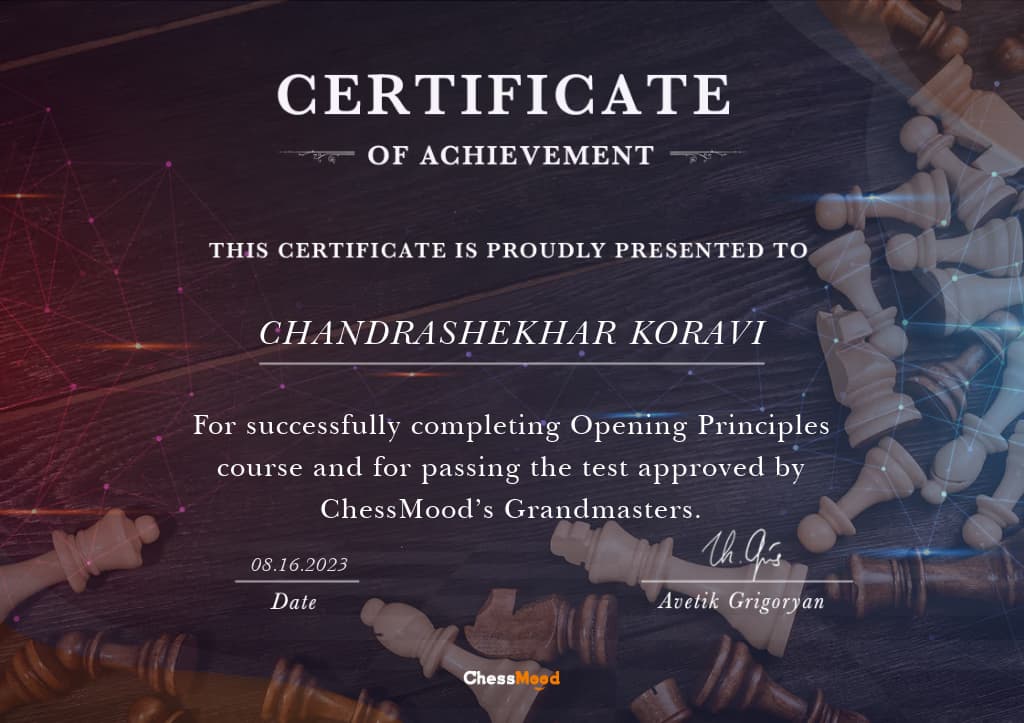
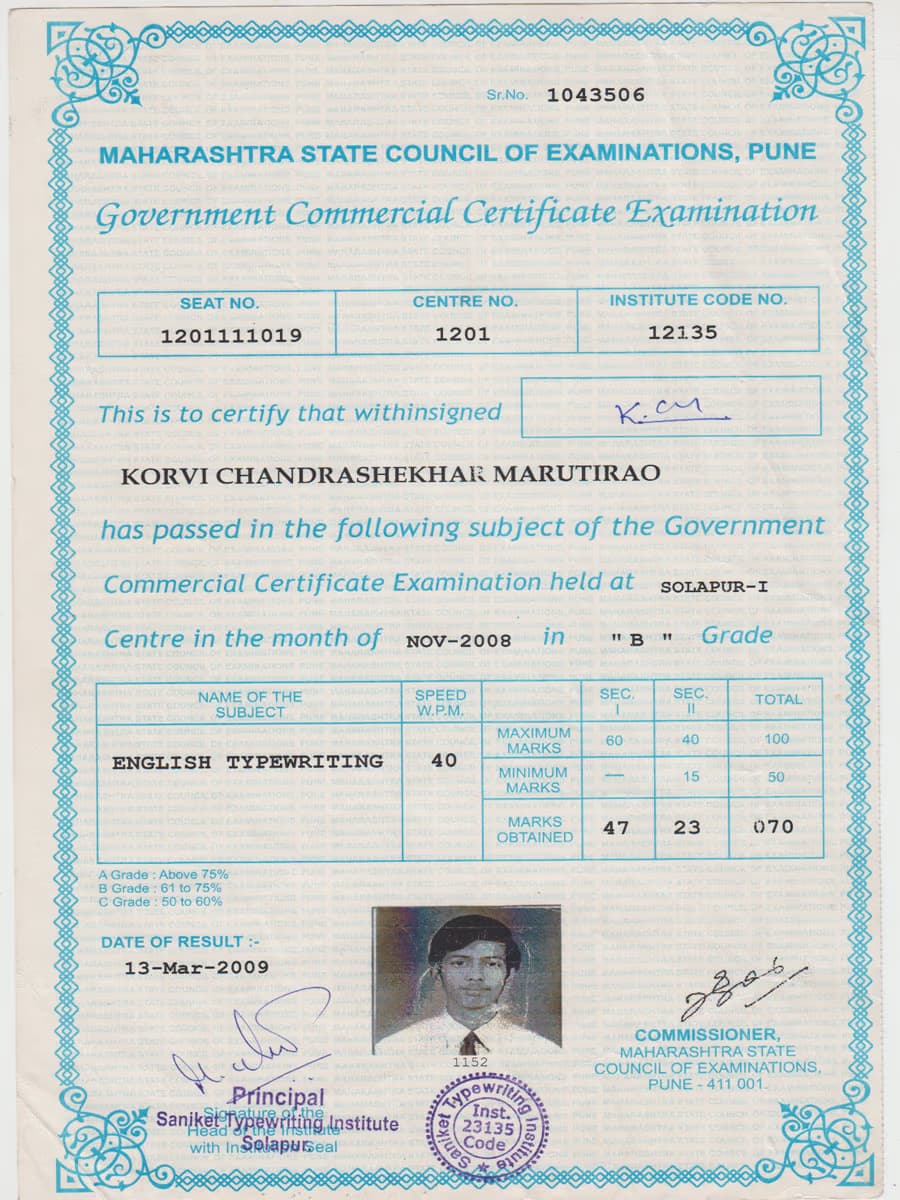
Chess coach skills

Creative problem solving

Competitive play

Interactive learning

Tactical thinking

Skill development

Strategic thinking

Hands on practice
 CoTutor
AI modules
Summary
Podcast
Quiz
Learnings
Flashcard
Spotlight
Zero Risk Guaranteed
15-days refund
Free tutor swap
No cancel fee
1-yr validity
24/7 support
Types of learners for chess lessons

Home schooled

All Levels

School

Adult / Professional

College
Chess classes overview
As a Chess tutor, I cater to students of all levels by personalizing learning activities based on their favorite games. I focus on determining each student’s gaming interests and cognitive skills to create engaging and interactive lessons. My teaching methodology involves being patient, interactive, and focusing on problem-solving techniques. By using games as a medium for education, I aim to not only enhance my student’s chess skills but also improve their academic performance and cognitive abilities. With my approach, students experience exciting lessons that lead to tangible progress.

Games concepts taught by Chandrashekhar
The student and tutor reviewed advanced chess strategies, focusing on safe captures, gambits, and opening principles like the Sicilian Defense. They analyzed game scenarios, practiced calculating moves, and explored the critical role of piece development in achieving attacking advantages.
Piece Development and Activity
Loss of Tempo and Its Consequences
Candidate Moves and Strategic Calculation
Safe Capturing in Chess
The Tutor and Student analyzed different chess board positions, focusing on classifying them as open, closed, or semi-open based on pawn structure. They discussed the implications of these structures on piece strength (bishops vs. knights) and practiced strategic decision-making related to opening or closing the center.
Batteries and Forks
Good vs. Bad Bishops
Chessboard Center and Position Types
Piece Activity and King Safety
The Tutor and Student reviewed various ways a chess game can end in a draw, including stalemate and insufficient mating material. They then practiced identifying and executing several checkmate patterns, reinforcing strategic concepts like piece protection and forced moves during simulated game play. The next session will continue exploring chess concepts.
Draw by Insufficient Mating Material
Checkmate Patterns
The 50-Move Rule
Stalemate
The tutor and student extensively reviewed various types of weak pawns in chess, including isolated, backward, and doubled pawns. They analyzed their strategic implications through numerous examples and a practical game, focusing on identifying and exploiting weaknesses to gain an advantage.
Types of Weak Pawns
The Isolated Queen's Pawn (IQP)
Pawn Islands
Passed Pawns
The class covered advanced chess strategies, focusing on opposite-side castling, tactical sacrifices, and endgame techniques. The student practiced applying these concepts through analysis of game positions and a played game, with the tutor providing feedback on strategic and tactical execution.
Tactical Motifs: Pins and Skewers
Bishop Pair Advantage in Open Positions
Piece Activity and Coordination
Pawn Storms and Opening Lines
Opposite Side Castling Dynamics
The Tutor and Student reviewed checkmating strategies in chess using a lone queen or rook against a lone king, covering techniques like 'checkmate from a distance' and 'kiss of death.' They also practiced opening principles and tactical maneuvers during a game, with the Student winning by effectively using a double attack. The next session will involve reviewing appointment reminders.
Checkmate Fundamentals
Checkmating with a Lone Queen
Checkmating with a Lone Rook
The Double Attack in Chess
Stalemate and Resignation
Teaching tools used by chess coach

Chess Engines

Online Chess Boards

Game Analysis Tools

Collaboration Tools

PGN Editors
Hands-on chess classes

Chat for quick help

Weekend lessons

Open Q&A

Note taking

Pets are welcomed
Tutors in similar subjects


Chess coaches on Wiingy are vetted for quality
Every tutor is interviewed and selected for subject expertise and teaching skill.