
Talha Lodhi
Chess Tutor from University of Calgary | Strategic & Interactive Lessons


Show all photos
Talha Lodhi
Bachelors degree
/ 55 min
About your chess coach
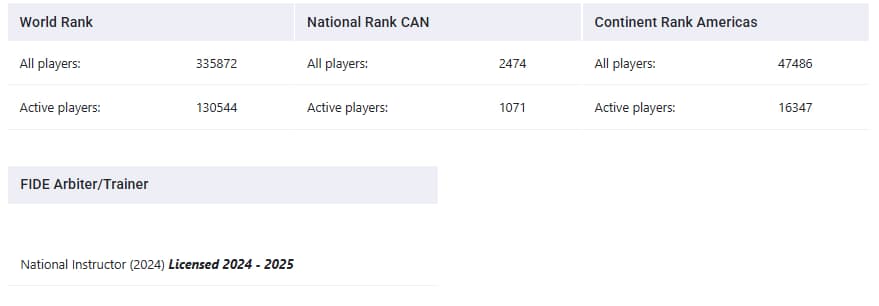
Hi there! I'm Talha Lodhi, a chess tutor with a bachelor's degree in accounting and a FIDE certified National Instructor. I have 3+ years of teaching and have taught students of all ages. I started my freelancing journey as a chess instructor in 2024 and have a few clients with varying levels in their chess strength. I am also an active tournament player and have reached a peak of 1655 FIDE. My teaching philosophy revolves around making learning fun and engaging for students of all levels. I believe in interactive lessons that encourage critical thinking and strategy development. Let's dive into the world of chess together!
Meet Talha
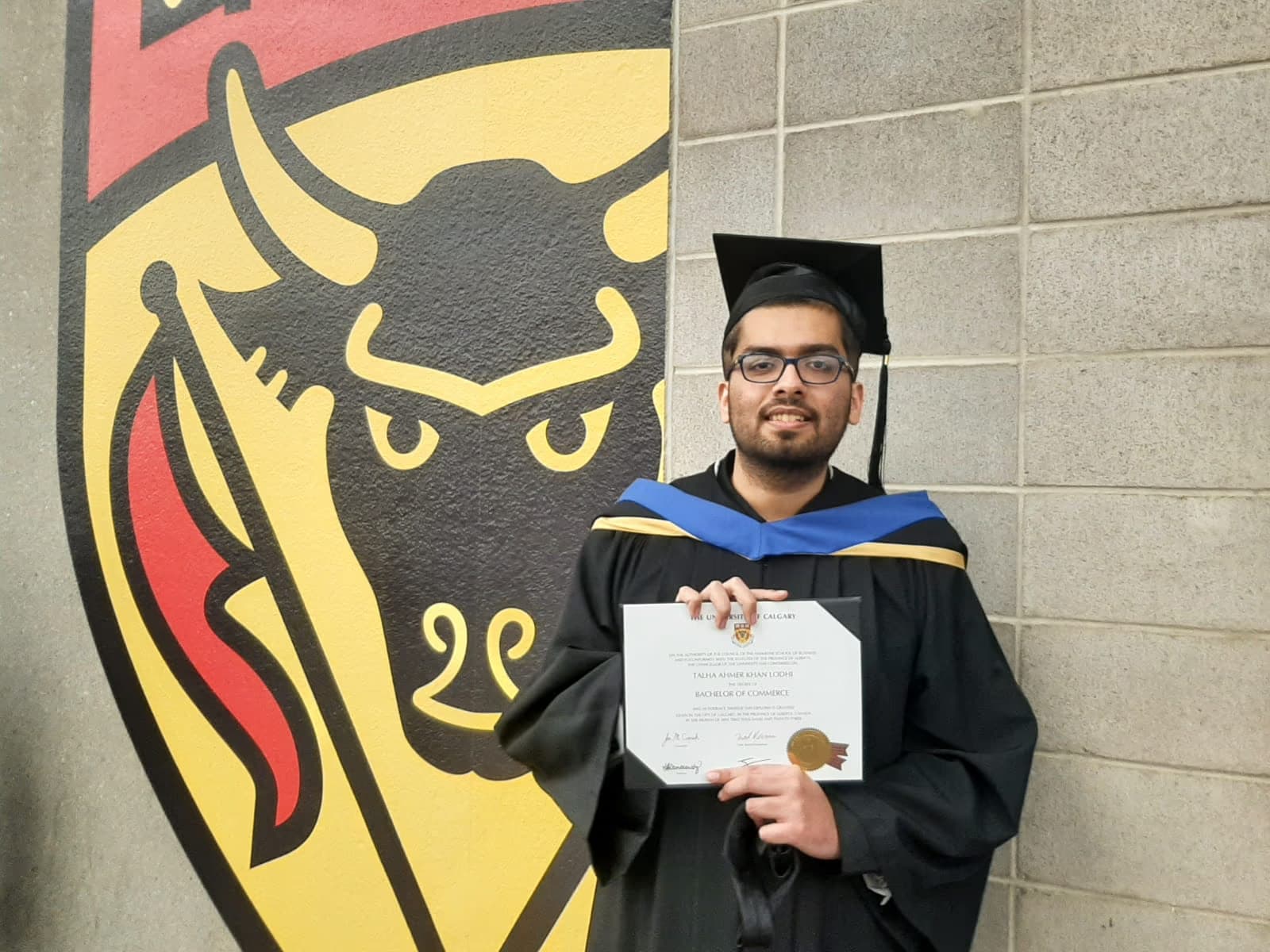
Talha graduated from University of Calgary
Chess coach skills

Skill development

Competitive play

Creative problem solving

Tactical thinking

Strategic thinking
 CoTutor
AI modules
Summary
Podcast
Quiz
Learnings
Flashcard
Spotlight
Zero Risk Guaranteed
15-days refund
Free tutor swap
No cancel fee
1-yr validity
24/7 support
Types of learners for chess lessons

Games for kids
Games for advanced
Games for intermediate

Home schooled
Chess classes overview
As a chess tutor, I cater to students of all levels by offering an engaging, patient, interactive, adaptable, and problem-solving teaching methodology. I provide personalized feedback on strategies and decision-making from your games, promoting growth and learning. By using competitive and collaborative games, I assess strategic thinking skills and point out resources that you may not have considered in your games. I believe in using games as a fun and effective tool to teach cognitive skills. If there's a specific area that you need help on, I can also provide recommendations on resources you can use to improve, such as books or any online resources.

Games concepts taught by Talha
The Student and Tutor engaged in a chess lesson where they analyzed previously played games and played a new game together. The session focused on identifying immediate threats, spotting free pieces, and understanding various tactical concepts such as pins, forks, and discovered checks. The Tutor advised that future lessons would resume in approximately one month due to the Student's upcoming move and vacation.
Always Assess Opponent's Threats
Positional vs. Tactical Moves
Core Opening Principles
Pins and Discovered Attacks/Checks
Strategic Trading and Piece Value
King Safety through Castling
The Student and Tutor engaged in a detailed review of multiple past chess games, dissecting opening strategies, tactical oversights, and critical decision points. They also played and analyzed a live game, where the Student practiced applying strategic principles and tactical awareness. The session aimed to improve the Student's game analysis, tactical vision, and strategic understanding, with a focus on learning from blunders and capitalizing on opportunities.
King Safety and Castling Rights
Understanding Pins and Forks
Effective Trading Strategy Based on Material
Strategic Queen Development in the Opening
Prioritizing Material Advantage
Opening Awareness: Avoiding Autopilot
The tutor and student reviewed several of the student's chess games, focusing on identifying and correcting tactical errors like leaving pieces undefended and missing opponent's threats. They practiced strategic concepts such as piece development and pawn structure, and concluded with a guided practice game to reinforce learned tactics.
Back Rank Checkmate
Positional Development and Castling
Piece Value and Trading Strategy
Tactical Motifs: Forks and Pins
The tutor and student reviewed several chess games, focusing on tactical awareness, material advantage, and strategic development. They practiced identifying threats, developing pieces, and executing checkmates, with a plan to continue focusing on these areas for improvement.
Tactical Motifs: Skewers and Forks
Endgame Technique: Ladder Checkmate
Piece Development and Strategy
Material Sensitivity
The tutor and student reviewed several chess games, focusing on tactical errors, strategic decisions, and common checkmate patterns. They practiced identifying positional advantages and disadvantages, piece value, and the concept of 'tilt' in chess to improve the student's overall game.
Stalemate and Resignation Strategy
Piece Value and Trading Principles
Development and Center Control
The Concept of 'Tilt' in Chess
The student and tutor reviewed several chess games, focusing on opening strategies, pawn structure, and common tactical errors. They then transitioned to practicing chess puzzles, concentrating on improving calculation skills and recognizing tactical patterns such as forks, skewers, and pins. The tutor recommended continuing to practice puzzles on platforms like chess.com to reinforce these concepts.
Calculation and Puzzles
Tactical Motifs: Forks and Pins
Piece Value and Material Advantage
Opening Moves and Pawn Structure
Teaching tools used by chess coach

Online Chess Boards

Game Analysis Tools

Chess Engines
Hands-on chess classes

Mobile joining

Parent feedback

Weekend lessons

Chat for quick help

Open Q&A
Tutors in similar subjects


Chess coaches on Wiingy are vetted for quality
Every tutor is interviewed and selected for subject expertise and teaching skill.
