
Karine Longis McMillan
Engaging French tutor focused on adaptable language learning


Show all photos
Karine Longis McMillan
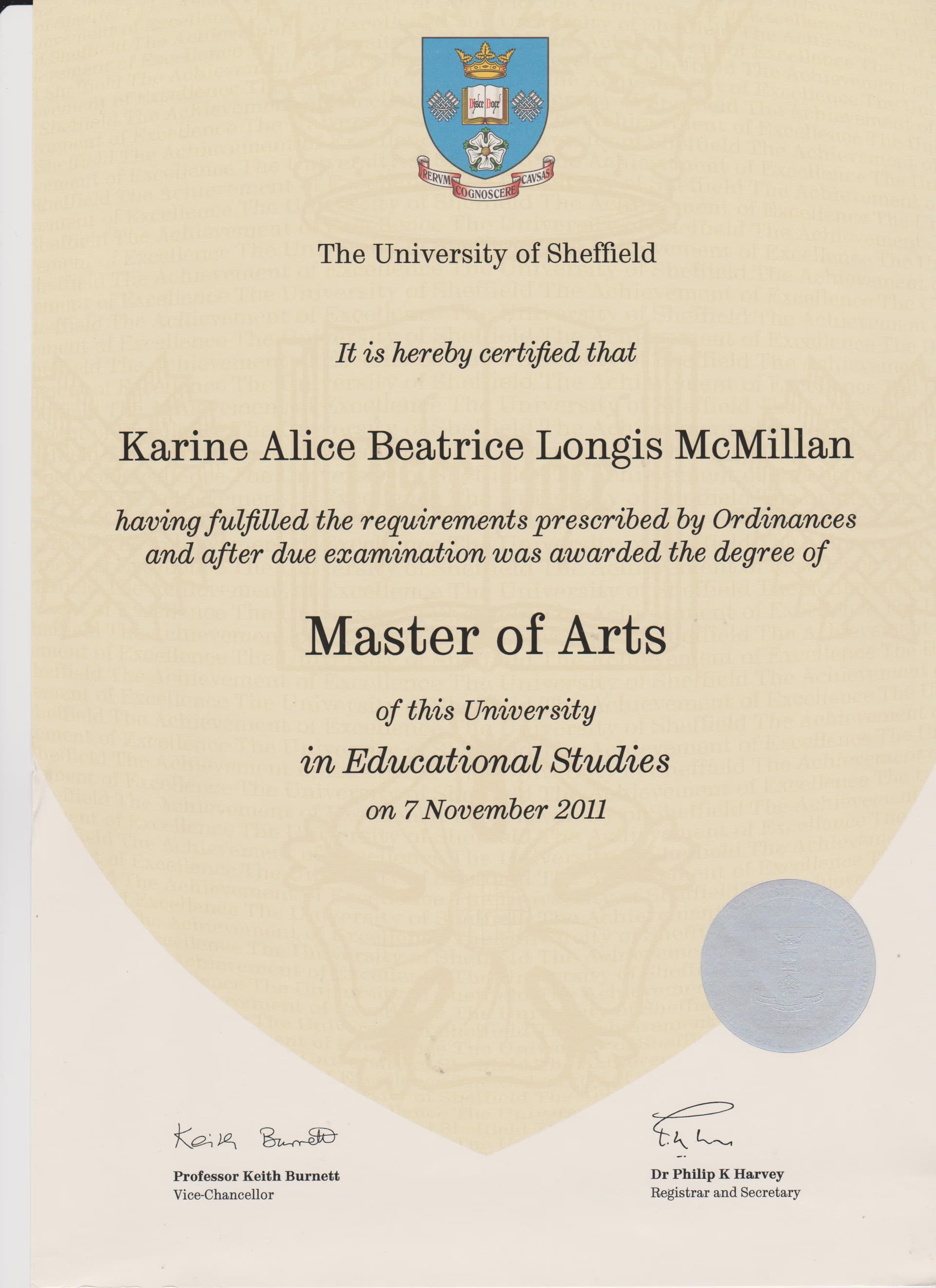
Masters degree
/ 55 min
About your french tutor
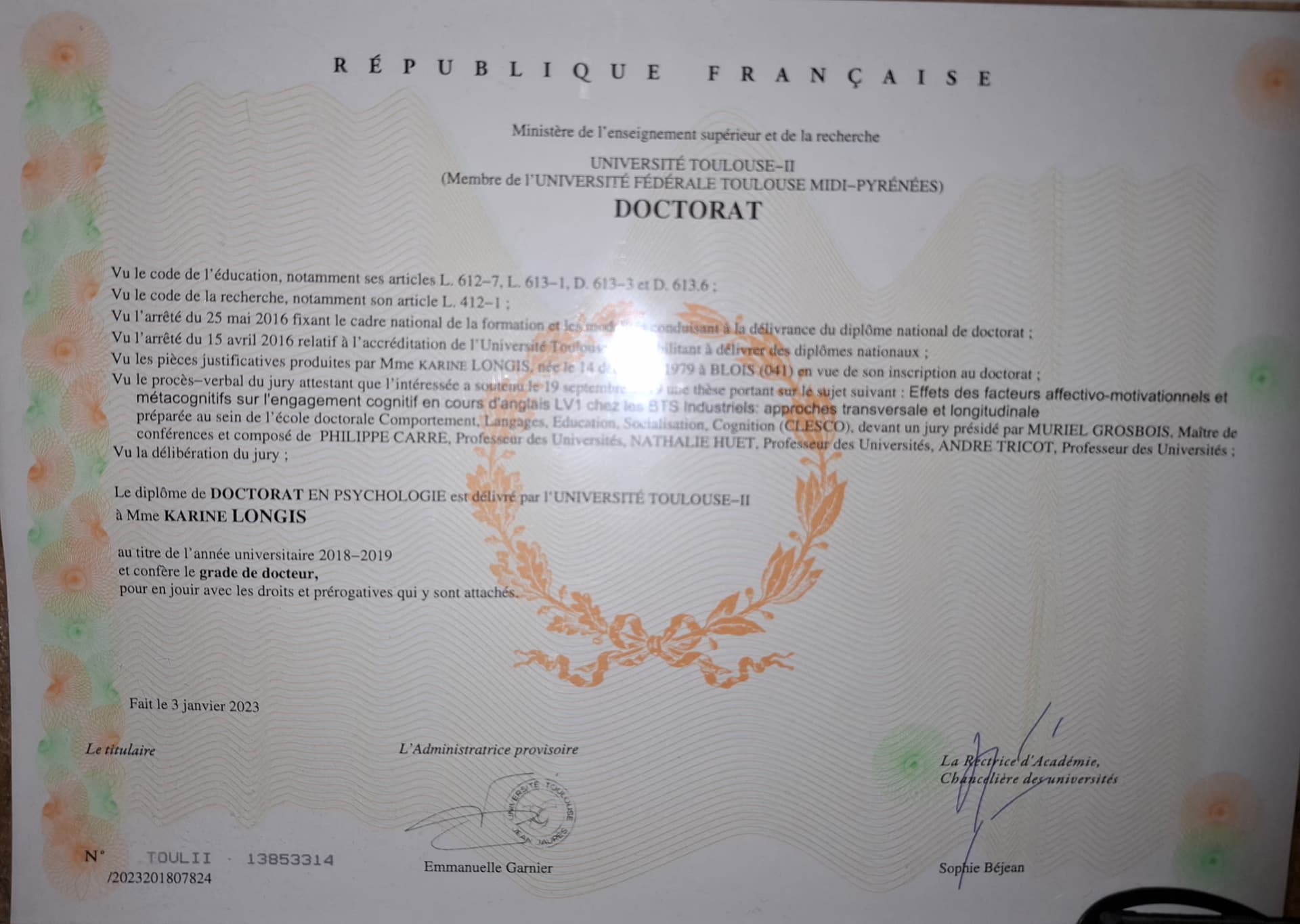
Hello, I'm Karine Longis McMillan, a French tutor with a Doctorate in Psychology in Education. My teaching philosophy revolves around creating a supportive and engaging learning environment where students of all levels can thrive. I use interactive and personalized strategies to ensure student understanding and success. Let's learn French together! While I’ve always felt driven to be an educator, the joy I felt from facilitating the growth and development of the people I have met only reaffirmed my passion. Although I’ll continue to sharpen my teaching skills, I believe that my enthusiasm, positive attitude, and hands-on experience working with students also make me an excellent educator. I look forward to a career where I can help shape minds and make a difference in the lives of the people I meet.
Meet Karine
Karine graduated from UWE Bristol
French tutor expertise

French pronunciation skills

Conversational French

Homework help

French pronunciation

International Baccalaureate (IB)

French culture immersion
 CoTutor
AI modules
Summary
Podcast
Quiz
Learnings
Flashcard
Spotlight
Zero Risk Guaranteed
15-days refund
Free tutor swap
No cancel fee
1-yr validity
24/7 support
Types of learners for french classes

French for adults

Learning Disabilities

Anxiety or Stress Disorders
French for kids

Home schooled
French classes at a glance
As a French tutor, I believe in an engaging and creative teaching style that is tailored to the individual needs of each student. I am empathetic and patient, understanding that learning a new language can be challenging. I adapt my teaching methodology to ensure that all levels of students can excel, whether it be beginners or advanced learners. Through role-play scenarios and cultural projects, I assess understanding of Francophone cultures, allowing students to immerse themselves in the language. By focusing on real-world practice, I help students achieve proficiency in French, enabling them to excel in exams and study abroad at French-speaking universities. My goal is to help you achieve fluency in French by emphasizing practical language use and cultural understanding. Let's embark on this language learning journey together!

French concepts taught by Karine
The Student and Tutor practiced French vocabulary and conversational phrases focusing on describing one's city, expressing food preferences, and discussing typical and unusual dishes. They also worked on phrases related to meal times and cooking abilities. The session involved extensive conversational practice to reinforce new vocabulary and grammatical structures.
Expressing Strong Negation: 'Je ne mangerai jamais'
Basic Cooking & Meal Vocabulary
French Culinary Specialties: Raclette & Fondue
French Culinary Specialties: Escargots
Expressing Food Preferences (Likes & Dislikes)
Describing Your City & Location
Student and Tutor worked on English grammar, specifically differentiating between the Present Simple and Present Continuous tenses, and then moved on to the Past Simple. They practiced identifying errors in texts and choosing correct verb forms. The session also covered pronunciation of '-ed' endings and rules for possessives. The next class will focus on the Past Continuous.
English Exam Speaking Structure
Present Simple and Continuous
Past Simple Fundamentals
Pronouncing Past Simple -ed Endings
The Verb "Be" in Past Simple & Possessive Nouns
Student and Tutor reviewed the student's written French, covering grammar rules such as adjective placement, pluralization, article usage, and vowel elision. They then practiced reading and translating an excerpt from 'Le Petit Prince,' focusing on pronunciation and expanding vocabulary. For homework, the Student will write a French text about travel without using a dictionary, and the next session will involve pronunciation practice and exploring new letter associations.
French Adjective Placement & Agreement
Comprehensive French Article Usage
French Pronunciation: Silent Letters & Liaison
Verb Tenses: Imparfait and Passé Simple
Nouns of Quality: The `-esse` Suffix
"Le Petit Prince": The Baobab Metaphor
The Student and Tutor engaged in a conversational French session, primarily discussing a wide range of international TV series and films, with a focus on French, New Zealand, and UK murder mysteries. They practiced French vocabulary and conversational phrases by describing media and cultural references. The session provided practical language application and cultural immersion through media discussion.
Navigating Niche and Mainstream Streaming Platforms
The Art and Perils of International TV Adaptations
The Global Tapestry of Murder Mysteries
Iconic Characters and Humor in Crime Drama
The session thoroughly covered French grammar, starting with a review of prepositions, including rules for country and season genders, and specific temporal expressions. The Tutor also explained French homophones. A significant portion of the class was dedicated to introducing the Imperfect and Passé Composé tenses, detailing their usage rules, formation with auxiliary verbs (`avoir` or `être`), and participle agreement. The Student practiced identifying correct prepositions and began working on exercises to apply the Imperfect and Passé Composé, with plans to continue this practice in the next session.
Distinguishing Imparfait and Passé Composé
Past Participle Agreement with Auxiliary Verbs
Passé Composé: Punctual Past Actions
Imparfait: Describing Past Actions and Habits
Nuances of French Prepositions and Contractions
Prepositions for Countries
Cities
and Seasons
The Tutor introduced and explained the concept of embedded questions, focusing on their grammatical structure and appropriate usage for politeness and indirect speech. The Student actively practiced converting direct questions into embedded forms and correcting errors, demonstrating their understanding of the rules. The session concluded with a brief discussion on the cultural implications of direct versus indirect communication.
Tense Shifts in Reported Embedded Questions
Special Rule: The Verb 'Mind'
Introducing Yes/No Questions with 'If' or 'Whether'
The Core Grammar Rule: Subject-Verb Order
Understanding Embedded Questions
Tools & techniques used in french classes

Digital whiteboard

Assessments

Quizzes

Presentations

Translation tools

Phonetic drills

Practice worksheets
Interactive french lessons

Open Q&A

Weekend lessons

Parent feedback

Record lessons

Pets are welcomed

French tutors on Wiingy are vetted for quality
Every tutor is interviewed and selected for subject expertise and teaching skill.
