
Meenu Varghese
“Fun with EVS – Discover the World Around You! Making EVS Simple, Fun & Interesting.





Show all photos
Meenu Varghese
Bachelors degree
/ 55 min
About your science tutor
HHello dear students and respected parents 👋 My name is Meenu, and I am a passionate primary teacher specializing in Environmental Science for Grades 3 and 4 🌍 I strongly believe that teaching is not just about explaining lessons, but about making students understand and enjoy learning. Environmental Science is a very interesting subject because it helps children connect with the world around them. Through EVS, students learn about: Nature and surroundings Plants and their importance 🌱 Animals and their habitats 🐘 Water, air, and natural resources 💧🌬️ Our responsibilities towards protecting the environment I believe that every child has the ability to learn when taught in the right way. My teaching focuses on making concepts: Simple Clear Easy to remember I avoid complicated explanations and instead use child-friendly language. I always try to create a classroom where students feel: Comfortable Confident Encouraged to speak. follow an activity-based learning method to make lessons interesting. I connect every topic with real-life examples so that students can relate easily. In my classes, I use: Simple explanations Daily life examples Small activities and tasks Question and answer sessions I make sure that students are not just listening, but also actively participating.
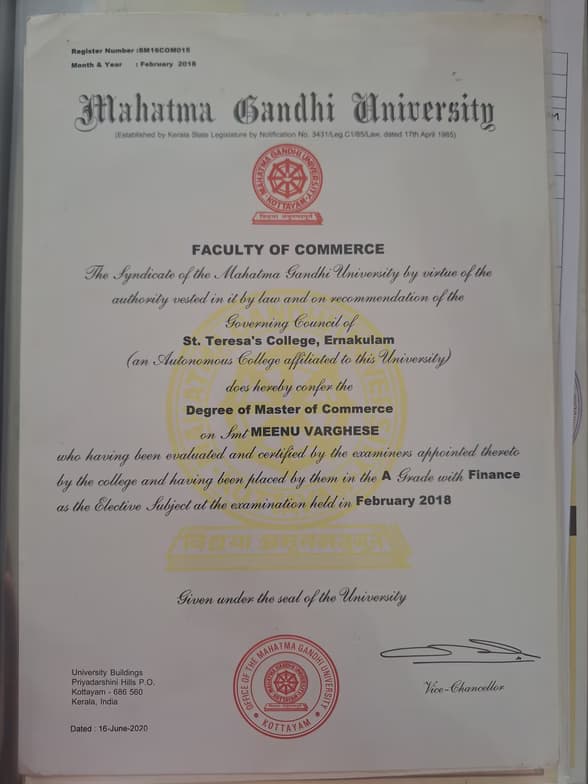
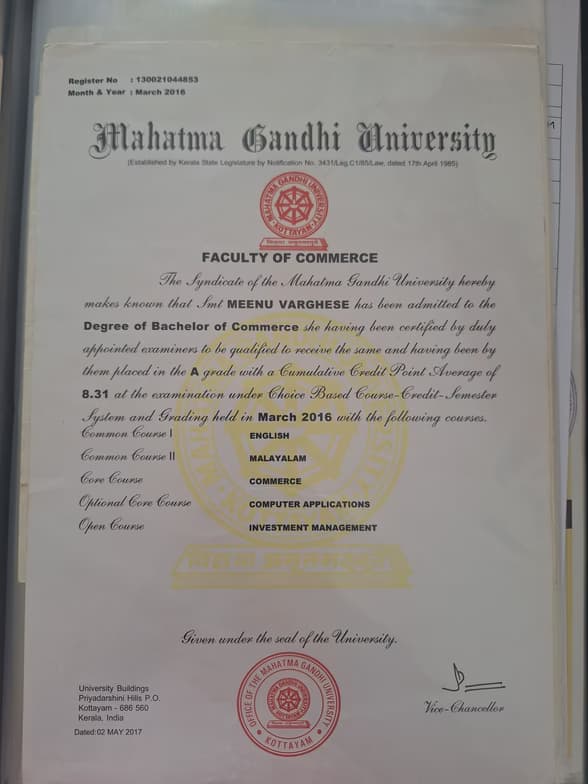
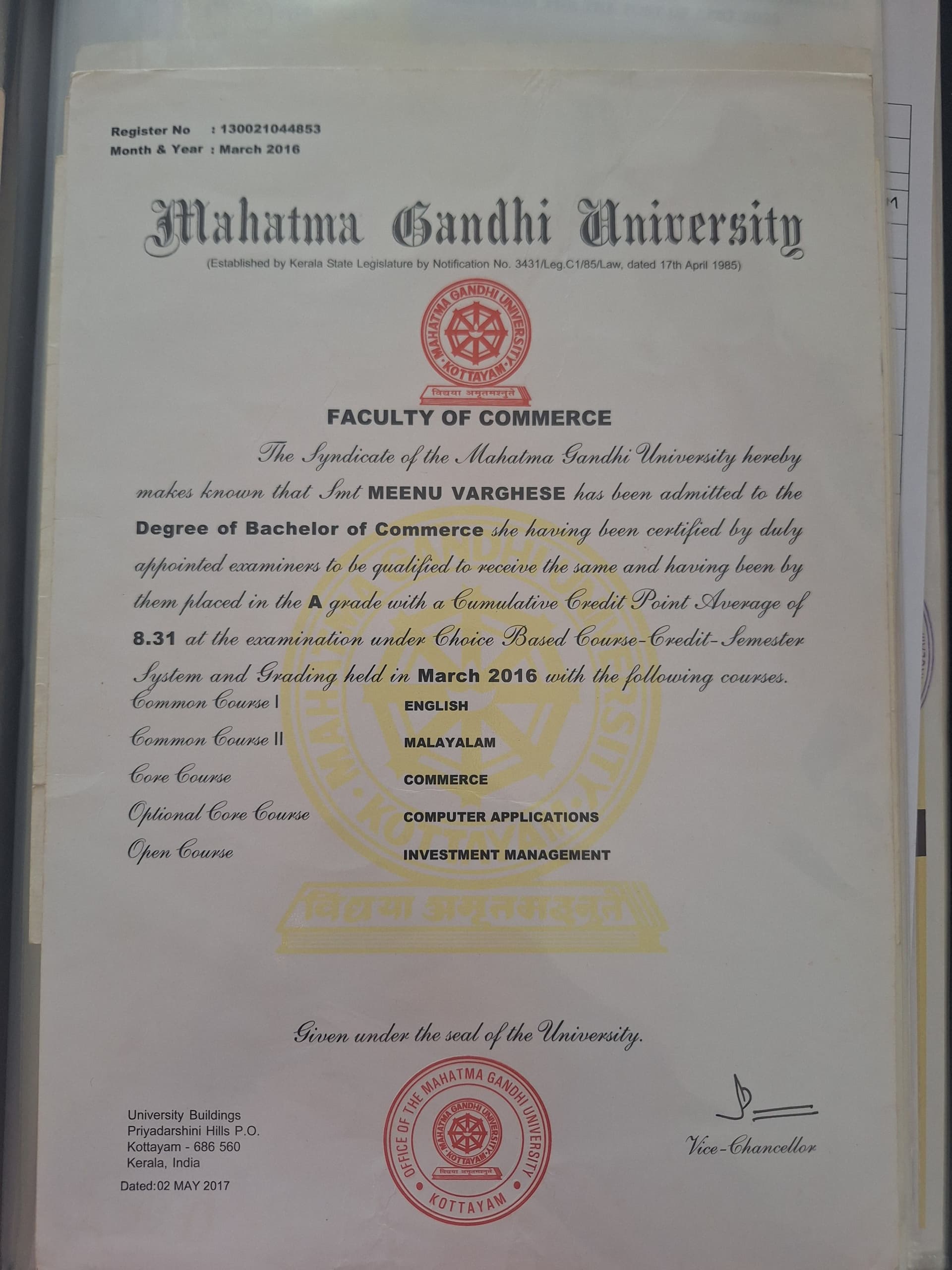
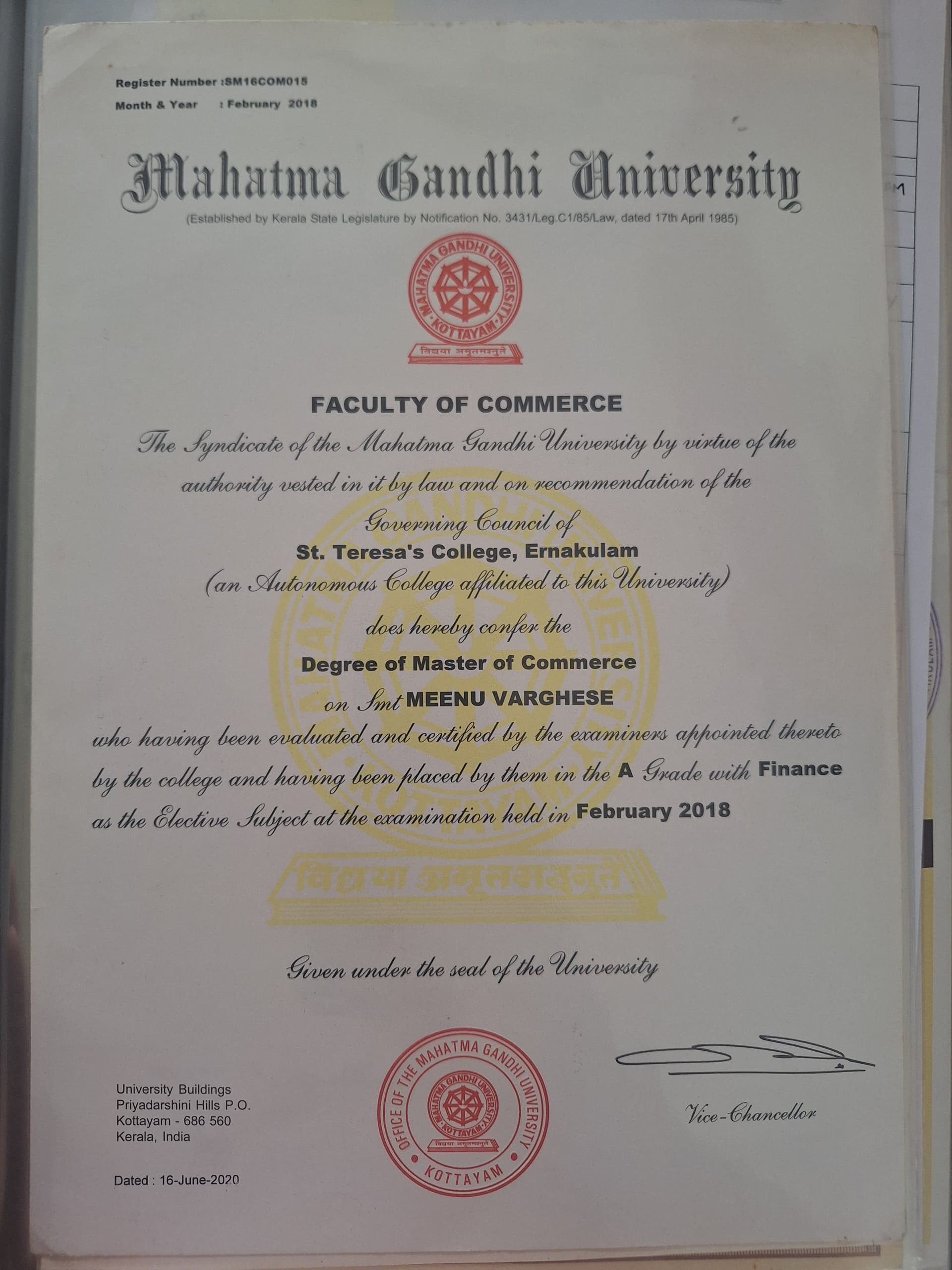
Meenu graduated from MG university
Specialities of your science tutor

International Baccalaureate (IB)

Australian Curriculum (AU)

Personalized learning plans

A-Levels (UK)
Test prep strategies

GCSE (UK)
Real world application
Review sessions
 CoTutor
AI modules
Summary
Podcast
Quiz
Learnings
Flashcard
Spotlight
Zero Risk Guaranteed
15-days refund
Free tutor swap
No cancel fee
1-yr validity
24/7 support
Student types for science class

ADHD

Learning Disabilities

Middle School students

ASD
Elementary School students

School Science concepts taught by Meenu
The Student and Tutor extensively reviewed fundamental microeconomics concepts, including the laws of demand and supply, factors causing movements along and shifts in their respective curves, and the determination of market equilibrium. They also explored the implications of market imbalances such as surpluses and shortages. The session concluded with plans to complete the current chapter's remaining slides and begin the next chapter, including a problem set, in the following class.
Law of Supply and Quantity Supplied
Movement Along the Supply Curve
Shift in the Supply Curve
Market Equilibrium: Price and Quantity
Market Imbalances: Surplus and Shortage
The Student and Tutor reviewed key concepts in Economics, including the definitions of supply, demand, and market equilibrium. They discussed the Law of Demand, distinguishing between movements along the demand curve (due to price changes) and shifts in the demand curve (due to non-price factors like income and related goods). The session concluded with a plan to cover supply in the next class, with scheduling to be confirmed.
Quantity Demanded & The Law of Demand
Movement Along the Demand Curve
Shift in the Demand Curve
Impact of Income on Demand: Normal vs. Inferior Goods
Prices of Related Goods: Substitutes vs. Complements
Market and Demand Fundamentals
Student and Tutor thoroughly reviewed foundational microeconomics concepts, including opportunity cost, Production Possibility Frontiers, marginal analysis, comparative advantage, and the gains from international trade. They worked through several practice problems to solidify understanding and plan to cover demand and supply in their next session, with the Student seeking additional practice questions from their course.
Production Possibility Frontier (PPF) & Opportunity Cost
Attainable
Unattainable
and Inefficient Points on the PPF
Allocative Efficiency: Marginal Benefit vs. Marginal Cost
Comparative Advantage vs. Absolute Advantage for Trade
Gains from International Trade: Consuming Beyond the PPF
PPF Shifts: Economic Growth and Policy Impact
The Tutor and Student reviewed the Production Possibility Frontier (PPF), marginal cost, and opportunity cost, with a focus on understanding the law of increasing opportunity cost and how PPF shifts indicate economic growth. They then practiced calculating competitive advantage using a detailed example involving two countries producing different goods. The Student sent a sheet of questions for the Tutor to review before the next session.
Marginal Cost
Production Possibilities Frontier (PPF)
Opportunity Cost & Its Law
Economic Growth & PPF Shifts
Competitive Advantage
The Student and Tutor reviewed foundational economic concepts including definitions of economics, micro and macroeconomics, scarcity, types of economies, and the three fundamental economic questions. They also covered decision-making principles like self-interest, opportunity cost, trade-offs, and marginal thinking, along with positive versus normative statements. The session concluded with an introduction to economic models, specifically the Circular Flow Model and the Production Possibilities Frontier, with plans to delve deeper into PPF in the next session.
Economic Systems & Fundamental Questions
Circular Flow Model of the Economy
Positive vs. Normative Economic Statements
Marginal Thinking: Benefit vs. Cost
Scarcity
Resources
& Opportunity Cost
Microeconomics vs. Macroeconomics
Teaching tools used by science tutor

Presentations

Flashcards
Interactive diagrams
Video conferencing

Practice worksheets

Science tutors on Wiingy are vetted for quality
Every tutor is interviewed and selected for subject expertise and teaching skill.
