
Dr. Gurinderjeet Kaur
PhD AP Computer Science A & Principles Experienced Tutor | Java, CSP Concepts & Exam Success




Show all photos
Dr. Gurinderjeet Kaur
Doctorate degree
/ 55 min
Dr. Gurinderjeet - About your AP tutor
I am Dr. Gurinderjeet Kaur, a PhD-qualified Computer Science educator and professional tutor with extensive experience teaching students from middle school to university level. I specialize in Computer Science, Programming, Mathematics, Data Structures, Algorithms, Artificial Intelligence, Machine Learning, and exam-focused courses such as AP Computer Science Principles, AP Computer Science A, SAT Math, and college-level programming courses. My teaching approach is highly structured, concept-driven, and personalized. I believe every student can succeed when complex topics are explained clearly and logically. I break down difficult concepts into simple steps, use real-world examples, and ensure students fully understand the “why” behind each solution rather than memorizing answers. I help students build strong fundamentals, improve problem-solving skills, and gain confidence in coding and mathematics. I have worked with students preparing for exams, struggling with coursework, transitioning into computer science, or aiming for top academic performance. I also support university assignments, projects, and interview preparation. My sessions are interactive, patient, and goal-oriented, with regular progress tracking and customized learning plans. If you are looking for a knowledgeable, supportive, and results-driven tutor who truly cares about your success, I would be happy to guide you on your learning journey.
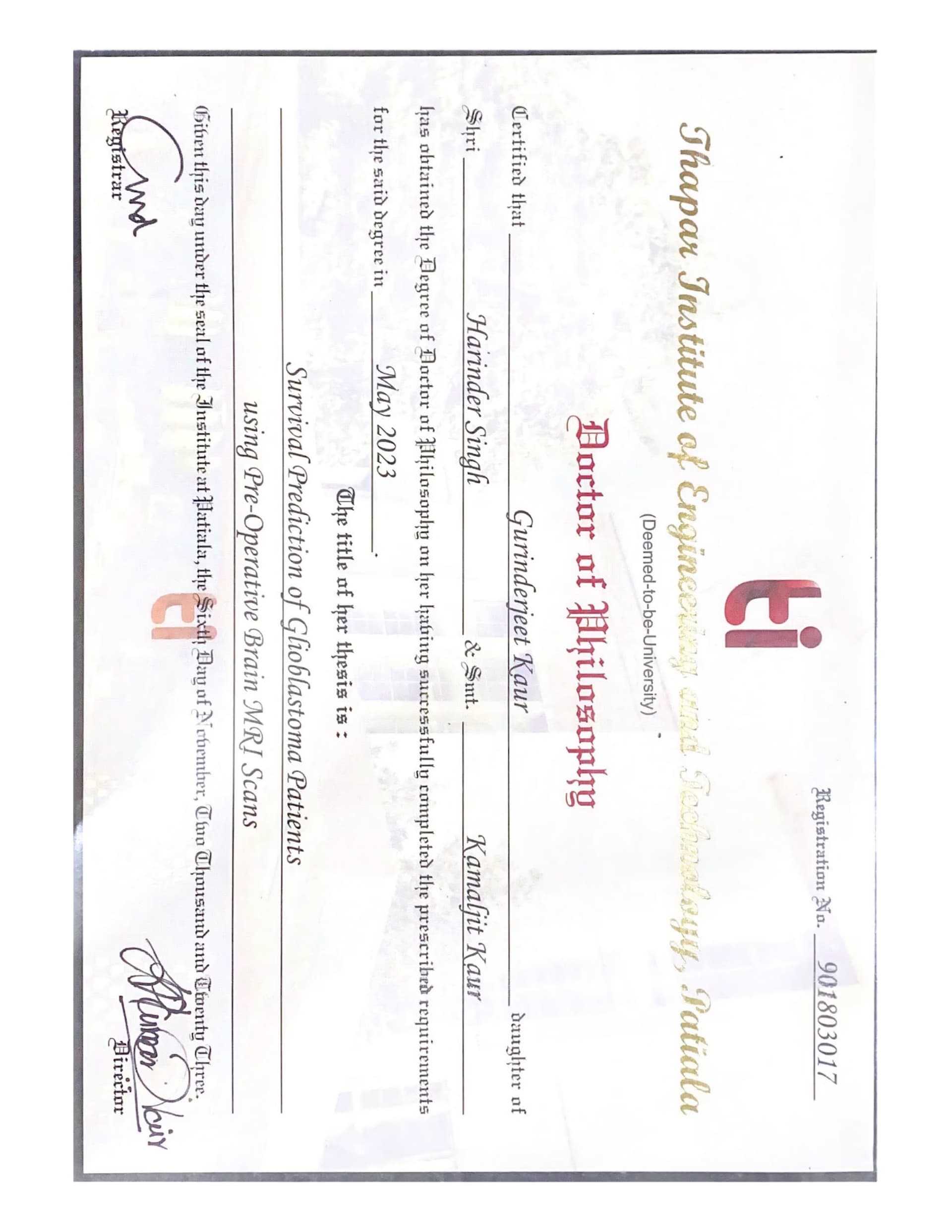
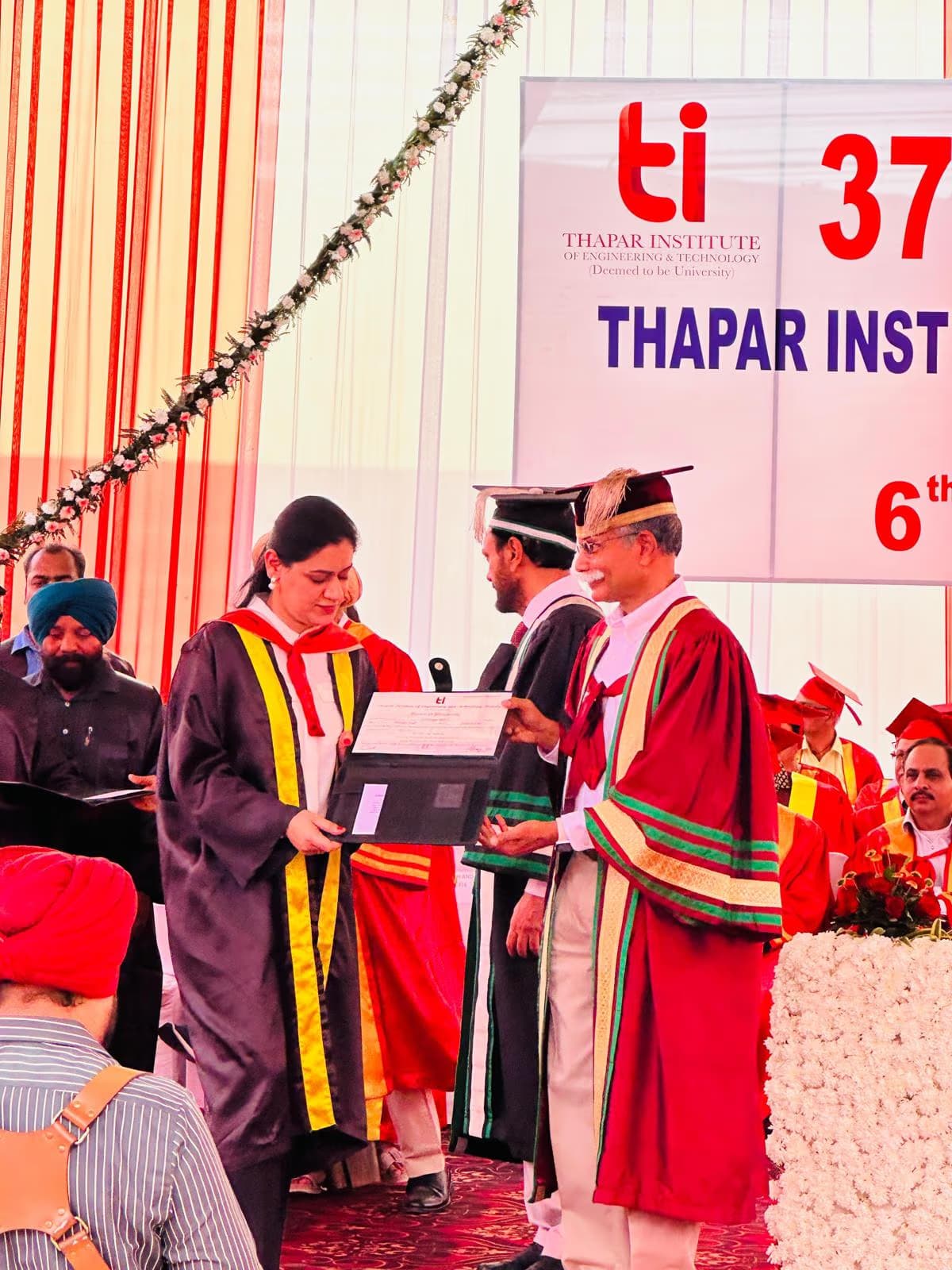
Dr. Gurinderjeet graduated from Thapar Institute of Engineering and Technology India
AP tutor test prep specialities

Concepts learning

College Credit

Test prep

Mock Tests

Study Plans

Practice Exams
 CoTutor
AI modules
Summary
Podcast
Quiz
Learnings
Flashcard
Spotlight
Zero Risk Guaranteed
15-days refund
Free tutor swap
No cancel fee
1-yr validity
24/7 support
Teaching methodology
My teaching methodology is student-centered, structured, and results-driven. I begin by assessing each student’s current level, learning style, academic goals, and gaps in understanding. Based on this assessment, I create a personalized learning plan that balances strong conceptual foundations with practical application. I believe that real learning happens when students understand why something works, not just how to solve a problem. Each session is interactive and goal-oriented. I explain concepts step-by-step using simple language, real-world examples, diagrams, and analogies, especially for complex topics in math, computer science, and programming. I gradually move from guided examples to independent problem-solving so students gain confidence and ownership of the material. I regularly check understanding through targeted questions and short practice exercises during the lesson. I emphasize problem-solving strategies, critical thinking, and exam-oriented techniques. For school and exam preparation, I focus on pattern recognition, common mistakes, time management, and effective revision strategies. For programming students, I combine theory with hands-on coding, debugging practice, and logical thinking. I provide structured notes, practice questions, homework support, and regular feedback after each session. My teaching environment is supportive and encouraging, helping students ask questions freely and overcome academic anxiety. My goal is not only to help students improve grades, but also to build long-term understanding, confidence, and independent learning skills.
Dr. Gurinderjeet - also teaches

AP Computer Science A
AP Computer Science Principles

AP concepts taught by Dr. Gurinderjeet
The Student worked on completing Module 8 practice, engaging with programming concepts including UTF-8 encoding and file handling. The Tutor provided explanations on file read/write modes and assisted with debugging an "unsupported operation not readable" error. They concluded by discussing upcoming capstone projects available on GitHub.
UTF-8 Encoding Fundamentals
Capstone Projects: Practical Skill Application
Debugging File I/O: Mode Mismatch Error
Python File Handling Modes: 'r' vs. 'w'
The Student and Tutor reviewed the Student's progress on Python modules, including work on NumPy and the completion of Module 7. They specifically clarified the concept and application of `lambda` functions, with the Student successfully practicing a related task. Future learning paths were also discussed, including the completion of Level 2 with Module 8, a capsule project, and the advanced topics in Level 3, which focuses on real-world applications and project development.
Advanced Python Concepts in Level 3
Python Module Progression & Learning Path
Python Lambda Expressions
The session included two students. One Student worked with the Tutor to debug a Python `__str__` method implementation for `Pet` and `Hamster` objects, successfully completing Module Six practice. The second Student then independently engaged with a comprehensive exam PDF for Module 205 CAC, reviewing solutions afterward to assess their understanding of the material.
The Value of Comprehensive Exams and Learning Gap Analysis
Designing Classes for Abstract Concepts (e.g.
Geometric Shapes)
Object String Representation (__str__ Method)
Student and Tutor reviewed advanced Python concepts like magic methods and name mangling, along with fundamental object-oriented programming principles including classes, objects, instances, and constructors. Another student worked on searching, sorting, and Big O notation, and discussed future academic paths in computer science, including potential studies in AI/ML or cybersecurity. The students were assigned to continue practice and confirm their next learning objectives.
Object-Oriented Programming (OOP) Fundamentals Review
Name Mangling (Single Underscore `_` Prefix)
Magic Methods (Double Underscore `__`)
Introduction to Sorting Algorithms
Introduction to Search Algorithms
Recursion (Contextual Review)
Student and Tutor clarified several core programming concepts, including the `CHR()` and `ord()` functions, the difference between `find()` and `rfind()` methods, and the definition of 'alphanumeric'. The Student successfully completed all practice examples for the modules discussed. The Tutor recommended weekly revision of covered material to aid retention for the extensive course.
Character Encoding: CHR() and ORD()
String Searching: find() vs. rfind()
String Character Type Classification (isalnum()
isalpha()
isdigit())
Practical aids used by AP tutor

Study Planner

Presentations

AP Assessments

AP Practice worksheets

Quizzes
Effective AP classes

Record lessons

Note taking

Parent feedback

Chat for quick help

Pets are welcomed

AP tutors on Wiingy are vetted for quality
Every tutor is interviewed and selected for subject expertise and teaching skill.
